
Best Indian Temples & Mandirs in Nairobi (2026)
TL;DR
- 🛕 Nairobi is home to nine Indian temples and mandirs, built by generations of Indian-origin families who settled in Kenya over more than a century.
- 🙏 Traditions represented include Hindu, Jain, Sikh, and Swaminarayan — reflecting the full diversity of the Desi diaspora in East Africa.
- 📍 Most mandirs cluster in Parklands, Westlands, and Ngara, making it feasible to visit several in a single day.
- 🌸 Visitors of all backgrounds are generally welcome, especially during major festivals like Diwali, Navratri, and Janmashtami.
- 🗺️ Each temple carries its own history as a pillar of community life for Nairobi's Indian-origin residents across decades.
Best Indian Temples & Mandirs in Nairobi (2026)
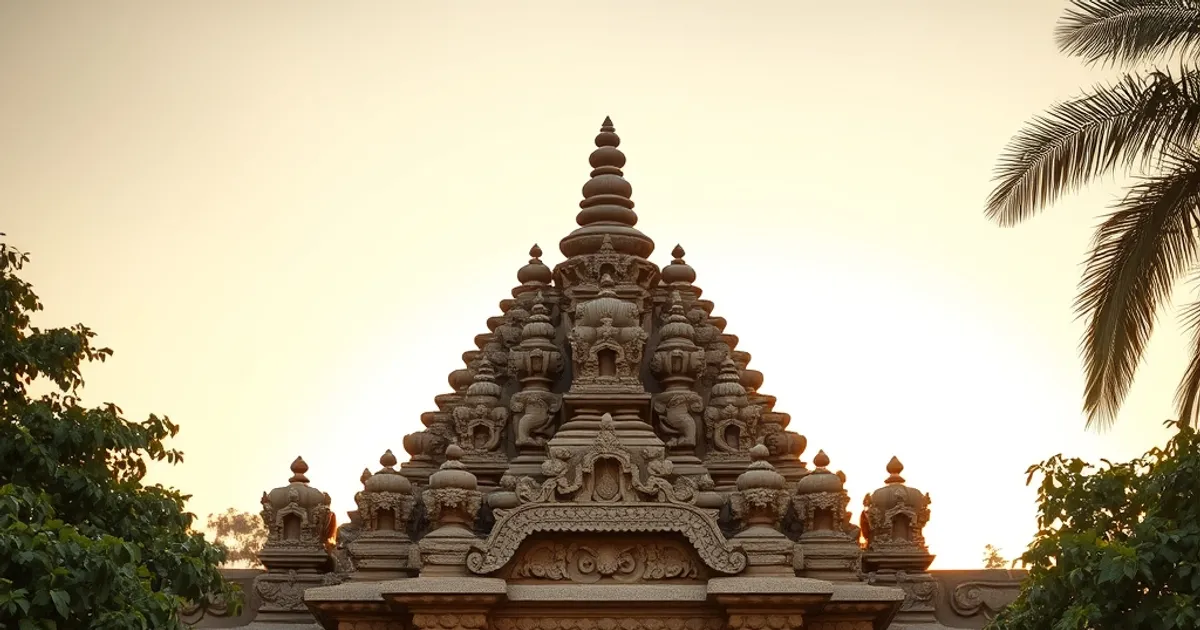
Nairobi may be the capital of Kenya, but for the South Asian diaspora that has called East Africa home for over a century, it is also a city of sacred spaces and living religious tradition. The Indian presence in Kenya dates to the late 1800s, when indentured labourers and merchants arrived to help build the Uganda Railway. Their descendants — Gujaratis, Punjabis, Kutchis, Sindhis, and others — built temples, mandirs, and community centres that have endured for generations. Today, Nairobi's Desi community continues to maintain and grow these institutions, offering a spiritual and cultural anchor for Indian-origin residents and visitors alike.
Hindu Temples in Nairobi
Hare Krishna Temple — Ngara Road
The Hare Krishna Temple on Ngara Road is one of the most recognisable Indian religious landmarks in Nairobi. Run under the ISKCON tradition, it draws both the resident Indian community and Kenyan devotees who have embraced Vaishnavism. The Sunday feast — prasadam served after evening aarti — has become a beloved Nairobi institution. Kirtan sessions are open to all, and the Janmashtami celebration here draws some of the largest crowds of any Desi event in the city.
Shree Hanuman Temple — Muthithi Road
Along Muthithi Road, the Shree Hanuman Temple is a devotional centre particularly active on Tuesdays and Saturdays — the traditional days of Hanuman worship. Families visit for blessings before important life events, and the temple maintains close ties to the local Indian community through its regular programmes and seasonal festivals.
Mahajanwadi Temple — Oshwal Road
The Mahajanwadi Temple on Oshwal Road serves as a gathering point for the broader Hindu community in Parklands, historically the heartland of Indian settlement in Nairobi. Its annual festivals and community events draw families from across the city and reflect the neighbourhood's deep roots in Indian civic life.
Shree Lohana Mahajan Mandal — Opposite Gymkhana, Desai Road
Located opposite the Gymkhana on Desai Road, the Shree Lohana Mahajan Mandal represents the Lohana trading community with deep Gujarati and East African roots. The mandal functions as both religious and social organisation, hosting festivals, weddings, and cultural programmes that have kept regional Indian traditions alive far from their place of origin.
Shree Swaminarayan Sidhant Sajivan Mandal — Swamibapa Road
The Swaminarayan tradition is strongly represented in East Africa, and the Shree Swaminarayan Sidhant Sajivan Mandal on Swamibapa Road is one of Nairobi's key centres for this devotional community. Regular satsang sessions and community welfare activities reflect the tradition's emphasis on moral living and service.
Shree Kutch Satsang Swaminarayan Mandir — Off Langata Road
The Shree Kutch Satsang Swaminarayan Mandir off Langata Road serves the Kutchi-speaking Swaminarayan community. It is a distinct branch of the Swaminarayan tradition and maintains its own calendar of festivals and satsang gatherings, accessible from the southern parts of Nairobi.
Jain and Sikh Community Centres
Jain Shwetamber Munisuvratswami Temple — Kolobot Road
The Jain Shwetamber Munisuvratswami Temple on Kolobot Road is the primary centre for Nairobi's Jain community. Dedicated to the twentieth tirthankara, the temple is a place of quiet contemplation. Jain festivals such as Paryushana and Mahavir Jayanti are observed here with considerable community participation, and the temple's ethos of non-violence is evident in its understated atmosphere.
Oshwal Religious Centre — Ring Road Parklands
The Oshwal Religious Centre on Ring Road Parklands serves the Jain community of Kutchi and Kathiawadi origin. The broader Oshwal Centre complex includes religious, cultural, and social facilities, making it one of the most comprehensive Indian community institutions in East Africa. Religious services and cultural events all take place here, and it stands as a landmark of Indian civic life in Nairobi.
Baba Isher Singh Ji Community Centre — Brookside Drive
Nairobi's Punjabi Sikh community gathers at the Baba Isher Singh Ji Community Centre on Brookside Drive. The centre hosts religious commemorations, Gurpurabs, and community programmes. Langar — the tradition of free community meals — is a living practice here, embodying the Sikh principle of seva, or selfless service.
What to Expect When Visiting
A few customs apply across all of Nairobi's Indian temples and community centres. Remove footwear at the entrance. Dress modestly — shoulders and knees covered. In gurudwaras, women are asked to cover their heads as well.
Morning and evening aarti are the best times to experience a Hindu temple's full atmosphere. These run 30 to 45 minutes and involve chanting and the waving of lamps before the deity. Photography is generally acceptable in common areas but not in the sanctum sanctorum — always ask first. Most Hindu temples distribute prasadam after puja; accepting it respectfully is considered appropriate.
Festival periods — Diwali, Navratri, Janmashtami, Mahashivratri — are the most atmospheric times to visit. Attending a festival at the Hare Krishna Temple on Ngara Road or the Mahajanwadi Temple on Oshwal Road is an experience that reveals the depth and vitality of Nairobi's Indian-origin community.
Insider Tip: Parklands is the undisputed centre of Indian religious life in Nairobi. The Mahajanwadi Temple on Oshwal Road, the Oshwal Religious Centre on Ring Road Parklands, and the Jain Shwetamber Munisuvratswami Temple on Kolobot Road are all within short walking distance of each other. Visit on a Sunday morning, cover all three on foot, and still arrive at the Hare Krishna Temple on Ngara Road in time for the afternoon kirtan and prasadam feast. Parking is easier before 9 a.m.
FAQ
Are non-Hindus allowed to enter these temples? Most Hindu temples in Nairobi welcome visitors of all backgrounds, provided they dress modestly and remove footwear. Jain temples and the Sikh community centre maintain their own customs; it is worth enquiring before visiting if you are unsure of protocol.
Which temple is most accessible for first-time visitors? The Hare Krishna Temple on Ngara Road is the most visitor-friendly starting point. Staff and devotees there are accustomed to welcoming guests from outside the Indian community, and the Sunday programme is particularly well-organised for newcomers.
Do these temples follow the Indian or Kenyan calendar for festivals? Both. Festivals tied to the Hindu lunar calendar follow the same dates globally. Some community and mela events are scheduled around Kenyan public holidays for practical convenience.
Can I volunteer at these temples or community centres? Yes. Most welcome volunteers, particularly around major festivals. The Shree Lohana Mahajan Mandal and the Oshwal Religious Centre both run community programmes that welcome participation from the wider Desi diaspora in Nairobi.
Bottom Line
Nairobi's Indian temples and mandirs are more than places of worship — they are living monuments to a diaspora that has shaped East Africa for well over a century. From the Hare Krishna Temple on Ngara Road to the Baba Isher Singh Ji Community Centre on Brookside Drive, each institution carries its own history and community. For Indian-origin residents, these spaces offer genuine belonging. For visitors, they offer a window into one of the world's most fascinating diaspora cultures. Make time for at least one visit — you will leave with a richer understanding of both India and Kenya.