
Finding Your Temple & Community in Nairobi
TL;DR
- 🌍 Nairobi's South Asian community is one of the oldest and most established in East Africa, with temple and community infrastructure built over generations
- 🛕 Institutions like Hare Krishna Temple, Shree Hanuman Temple, and Mahajanwadi Temple serve distinct devotional traditions and community networks
- 🕉️ The Jain Shwetamber Munisuvratswami Temple and Shree Lohana Mahajan Mandal reflect the remarkable diversity within Nairobi's Indian diaspora
- 🤝 These institutions are essential entry points for new arrivals and returning visitors looking to connect with South Asian community life in Nairobi
- 🎶 Temple programs, community halls, and cultural events run throughout the year, not only during major festivals
Nairobi's South Asian Heritage: A Community Built Over Generations
The South Asian presence in Nairobi dates back to the late nineteenth century, when tens of thousands of laborers — primarily from Gujarat and Punjab — came to East Africa during the construction of the Uganda Railway. Many stayed, built businesses, raised families, and created cultural and religious institutions that persist to this day.
The result is that Nairobi's South Asian community has a depth of institutional life unusual for a diaspora of its size. Temples, schools, clubs, and community halls established in the early twentieth century have evolved and expanded. Newer waves of South Asian professionals in the decades since have added to and revitalized these institutions. For someone arriving in Nairobi today — whether a long-term resident, a new arrival, or a visitor from South Asia — finding your footing in this community is a matter of knowing which institutions to approach and what each one offers.
Devotional Traditions at Nairobi's Temples
The range of temples in Nairobi reflects the religious and regional diversity of the South Asian community here. Hindu temples span Vaishnavite, Shaivite, and broader devotional traditions. The Jain community, which has a historically significant presence in Nairobi's business landscape, maintains its own temple. Each institution serves a somewhat different constituency but generally welcomes visitors from across the South Asian community.
Hare Krishna Temple on Ngara Road is one of the most recognizable South Asian religious institutions in Nairobi. The International Society for Krishna Consciousness has maintained a presence in Nairobi for decades, and the temple draws devotees from across the Indian community as well as Kenyan converts and international visitors. The temple is particularly known for its Sunday feast programs — kirtan sessions followed by a communal vegetarian meal. These programs have made the Hare Krishna Temple a welcoming gathering point that extends well beyond strictly devotional purposes and regularly brings together South Asians from different regional and linguistic backgrounds.
Shree Hanuman Temple on Muthithi Road is dedicated to Hanuman, the deity associated with devotion, strength, and steadfast service. Hanuman temples traditionally draw strong attendance from working-class and business-community devotees who seek blessings for their endeavors, and the Shree Hanuman Temple has historically served the Indian business community in Nairobi. Tuesday and Saturday are traditional days of Hanuman worship, and the temple tends to see increased activity on these days throughout the year.
Mahajanwadi Temple on Oshwal Road is associated with the multi-community institutional tradition common among Gujarati business communities. Mahajanwadi halls and temples historically served as community gathering spaces as much as purely devotional spaces, and the Nairobi institution continues this dual function — hosting religious programs while also serving as a venue for community events, cultural celebrations, and organizational meetings.
Jain Religious Life in Nairobi
The Jain community in Nairobi is small but well organized, with families who have played significant roles in the city's commerce and philanthropy for generations. The Jain Shwetamber Munisuvratswami Temple on Kolobot Road is the principal place of Jain worship in the city. Munisuvratswami is one of the twenty-four tirthankaras of the Jain tradition, and the temple serves the Shwetamber (white-clad) school, which is the predominant sect among Gujarati Jains.
For the Jain community in Nairobi, the temple on Kolobot Road is both a place of worship and a community institution. Its programming includes religious observances aligned with the Jain calendar — including the major fasting period of Paryushana, observed with particular intensity by Jain communities worldwide — as well as community events that bring Nairobi's Jain families together across different generations.
For South Asian visitors from Hindu backgrounds who want to learn about the Jain tradition, the temple offers an educational opportunity as well. The parallels and distinctions between Hindu and Jain religious practice are visible in the space itself and in the way observances are conducted.
Community Organizations Beyond the Temple
Not all South Asian community life in Nairobi is organized through temples. Community organizations — some regional, some caste-based, some professional — have historically played an equally important role in maintaining social networks across the Indian community here.
Shree Lohana Mahajan Mandal on Desai Road is one such institution. The Lohana community, originally from Sindh and parts of Gujarat, has a strong presence in East Africa going back several generations. The Mahajan Mandal — the term "mahajan" referring to a community of merchants or leaders — functions as a community organization that supports Lohana families in Nairobi through social, cultural, and charitable activities.
For new arrivals from Lohana backgrounds, the Shree Lohana Mahajan Mandal provides an immediate point of connection — a network of community members who share not just religious tradition but specific cultural practices, regional cuisines, and family networks that span East Africa and South Asia. These caste and regional community organizations are often the fastest route to practical social integration in a new city, especially one where the wider South Asian community is spread across different neighborhoods and professional circles.
Arriving in Nairobi as a South Asian
For South Asian professionals, students, or families arriving in Nairobi for the first time, the network of temples and community organizations described here provides a ready-made social infrastructure. Unlike many Western cities where South Asian communities may be more dispersed across suburban areas, Nairobi's Indian community is geographically concentrated in certain neighborhoods, and its institutions are well established.
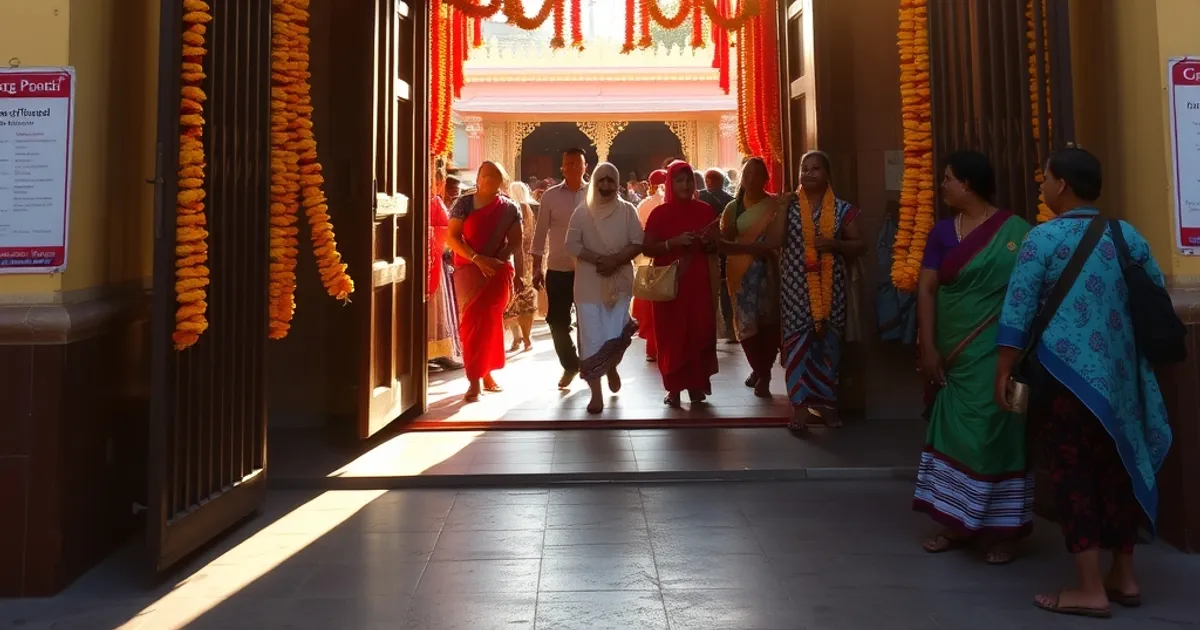
The temples and community organizations here are not simply religious spaces — they are meeting points, resource networks, and cultural anchors. A newcomer who shows up at Hare Krishna Temple on a Sunday program, or at the Jain Shwetamber Munisuvratswami Temple on a community event day, or at the Shree Lohana Mahajan Mandal for a cultural gathering, is likely to leave with practical contacts, useful referrals, and a sense of belonging.
Nairobi is also a genuinely diverse city where many community members are Kenyan-Asian — South Asian in heritage and deeply rooted in Kenyan identity simultaneously. This blend creates a community with distinctive characteristics that South Asians from India, Pakistan, or the UK often find both familiar and surprising.
Insider Tip: Many of Nairobi's South Asian community institutions maintain active WhatsApp groups and informal community networks that circulate information about events, services, and social gatherings more efficiently than any public-facing channel. The fastest way to access these networks is to introduce yourself in person at one of the temples or community halls listed here. A genuine face-to-face introduction will typically get you added to the relevant groups within days.
Cultural Events and Seasonal Programming
Nairobi's South Asian community maintains an active cultural calendar throughout the year. Diwali is the largest community event, but Navratri (particularly popular among Gujarati families), Vaisakhi, Raksha Bandhan, and Eid for South Asian Muslim community members all generate organized programming.
Temples and community organizations like Shree Lohana Mahajan Mandal and Mahajanwadi Temple organize cultural shows, charity dinners, and fundraising events that are significant moments in the community's social calendar. For families with children, these events serve the additional purpose of cultural transmission in a social setting — an easier and more engaging form of education than formal instruction alone.
The Hare Krishna Temple's regular Sunday feast program is notable among these events for being consistently accessible and welcoming to newcomers, making it a reliable starting point for South Asians who are new to Nairobi and looking to build a social network.
FAQ
Is Nairobi's South Asian community welcoming to newcomers from South Asia? Yes. The community has long experience absorbing new arrivals, and most temples and organizations are specifically oriented toward helping new community members find their footing.
Do I need to be Jain to visit the Jain Shwetamber Munisuvratswami Temple? Most Jain temples in Kenya welcome respectful visitors from outside the community, particularly on public event days. Confirming directly with the temple before visiting is always advisable.
Are services at Nairobi's temples conducted in Indian languages or English? Many temples conduct services in Gujarati, Hindi, or Sanskrit, but some programs are bilingual or partly accessible to non-speakers. The Hare Krishna Temple's Sunday programs are often conducted partly in English.
What is the best time of year to experience Nairobi's South Asian cultural life? Diwali season from October to November is the most active period, but community events happen throughout the year. Temples are active weekly, not only during major festivals.
Bottom Line
Nairobi's South Asian community has built a remarkable institutional life over more than a century. Hare Krishna Temple on Ngara Road, Shree Hanuman Temple on Muthithi Road, Mahajanwadi Temple on Oshwal Road, Jain Shwetamber Munisuvratswami Temple on Kolobot Road, and Shree Lohana Mahajan Mandal on Desai Road together cover an extraordinary range of devotional traditions, regional communities, and social functions. For anyone arriving in Nairobi or looking to reconnect with South Asian community life, these institutions are the starting point.