
Ganesh Chaturthi 2026 in Nairobi: Events, Puja & Where to Celebrate
TL;DR
- 🗓️ Indian Ganesh Chaturthi 2026 falls on September 14 — Nairobi's planning starts well in advance
- 🕌 Mahajanwadi Temple and Shree Hanuman Temple are central gathering spaces for the festival season
- 🎊 The lead-up calendar includes Nag Panchami, Raksha Bandhan, and Krishna Janmashtami
- 🪔 Parklands remains the core of Nairobi's Indian worship infrastructure
- 📿 Home puja, community mandal programs, and temple aarti all combine to mark the occasion across the city
Indian Ganesh Chaturthi in Nairobi: The Community Context
Nairobi holds one of East Africa's most established Indian communities, with roots stretching back to the late nineteenth century. Families from Gujarat, Rajasthan, coastal Sindh, and other regions settled here, built institutions, and maintained traditions that have endured across multiple generations. Ganesh Chaturthi is among the most widely observed of those traditions — a ten-day festival honoring Lord Ganesha as the remover of obstacles and patron of new beginnings.
Indian Ganesh Chaturthi 2026 falls on September 14. The Nairobi season builds through a sequence of connected observances: Guru Purnima on July 29, Nag Panchami on August 17, Raksha Bandhan on August 28, and Krishna Janmashtami on September 4. Each date draws community members to their respective temples and mandals, creating a sustained calendar of gathering that runs from midsummer into autumn.
The character of Indian Ganesh Chaturthi in Nairobi blends practices from different parts of India. Maharashtra-origin families tend to observe the full ten-day format with daily aarti and community gatherings, while Gujarati and other community organizations incorporate their own puja customs. The result is a festival that looks somewhat different across the city's Indian neighborhoods but shares a common devotional core.
The 2026 Festival Calendar
The religious calendar leading up to Indian Ganesh Chaturthi 2026 gives the community multiple points of gathering before the main event:
- July 25 — Ekadashi: Lunar fast day observed by devout households
- July 29 — Guru Purnima 2026: Reverence for spiritual teachers; prayer gatherings at temples across Parklands and Westlands
- August 2 — Sankashti Chaturthi: Monthly Ganesha fast; an important preview of the festival season
- August 17 — Nag Panchami 2026: Serpent deity worship; observed at temples across the Parklands belt
- August 28 — Raksha Bandhan 2026 / Purnima: The sibling bond festival overlaps with the full moon; community gatherings typically follow in the evening
- August 31 — Sankashti Chaturthi: Second monthly Ganesha fast before the main event
- September 4 — Krishna Janmashtami 2026: Midnight celebrations mark the birth of Lord Krishna; the Hare Krishna Temple on Ngara Road is one of Nairobi's most active venues for this observance
- September 14 — Ganesh Chaturthi 2026: The central festival begins
Where to Observe: Nairobi's Indian Temples
Nairobi's Indian community has built a network of worship spaces that serve different traditions and regional backgrounds. Several are particularly active during the Ganesh Chaturthi season.
Mahajanwadi Temple on Oshwal Road is one of the more established worship venues in the city, drawing families across major observances throughout the year. The temple compound sees steady activity during the Ganesh Chaturthi season, with aarti and community programs organized by the managing committee.
Shree Lohana Mahajan Mandal opposite Gymkhana on Desai Road is central to the Lohana community's religious life in Nairobi. The mandal organizes collective puja during Ganesh Chaturthi and sustains the social connections that make festival observance a community event rather than solely a private one. The Desai Road address places it within easy reach of the Parklands cluster.
Oshwal Religious Centre on Ring Road Parklands serves the Jain-background Oshwal community but participates in the broader festive calendar. The centre's infrastructure supports community-wide events, and it is well known among Nairobi's Indian families as a landmark institution.
Shree Kutch Satsang Swaminarayan Mandir off Langata Road follows the Swaminarayan tradition, with its own schedule of prayers and satsang programs during the festival period. The Swaminarayan community in Nairobi has maintained this mandir as a central institution for devotees.
Shree Hanuman Temple on Muthithi Road draws consistent attendance throughout the year and is particularly active during the run-up to Ganesh Chaturthi. Special bhajan sessions in the days before September 14 are a regular feature, and the temple's location makes it accessible from several of Nairobi's Indian residential neighborhoods.
Hare Krishna Temple on Ngara Road holds significance for the broader devotional community. Krishna Janmashtami on September 4 is one of the year's most attended events at this temple, and the festive energy generated on that night carries directly into the Ganesh Chaturthi season ten days later.
The Jain Shwetamber Munisuvratswami Temple on Kolobot Road rounds out the Jain community's institutional presence, and the Shree Swaminarayan Sidhant Sajivan Mandal on Swamibapa Road adds another Swaminarayan congregation to the city's network.
Puja at Home and Community Norms
Nairobi families observing Indian Ganesh Chaturthi at home typically source puja supplies from Indian specialty stores in the Parklands area and along Biashara Street. Clay Ganesha murtis are available, though advance sourcing is recommended as September approaches and demand increases.
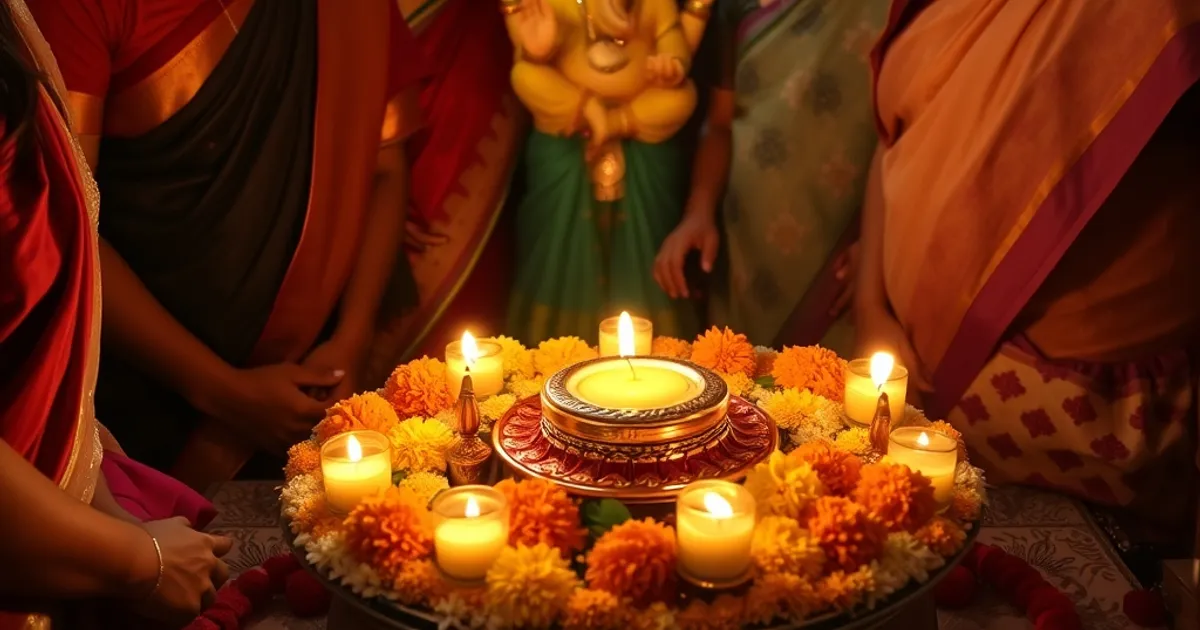
Home puja typically involves the installation of a Ganesha murti, morning and evening aarti on each day of the festival, and offerings of modak, coconut, and fresh flowers. The recitation of the Ganesh Atharvashirsha or selected shlokas is common. The length of home observance — one day, five days, or the full ten — varies by family origin and custom.
Community-level celebrations in Nairobi are organized through temple committees and cultural associations. The format is typically smaller in scale than the large public mandals common in Maharashtra, but serves the same function of gathering the community around shared devotion.
Insider Tip: If you are new to Nairobi's Indian community or visiting during the festival season, the Parklands and Westlands corridor offers the highest concentration of temples, Indian grocery stores, and puja supply shops within a walkable area. Visiting Mahajanwadi Temple or Shree Hanuman Temple on the evening before Ganesh Chaturthi — September 13 — gives you a sense of the atmosphere and setup before the main day's crowds arrive.
FAQ
What date is Indian Ganesh Chaturthi 2026 in Nairobi? Indian Ganesh Chaturthi 2026 falls on September 14.
Which temples in Nairobi are most active during the festival? Mahajanwadi Temple on Oshwal Road, Shree Hanuman Temple on Muthithi Road, and Shree Lohana Mahajan Mandal on Desai Road are consistently active during the Ganesh Chaturthi season. The Hare Krishna Temple on Ngara Road also draws large attendance, especially around Krishna Janmashtami on September 4.
How do Nairobi families typically celebrate at home? Home observances involve installing a Ganesha murti, daily aarti, and offerings of modak and flowers. Duration varies — some families observe for one day, others for five or ten days. Puja supplies are available from Indian stores in the Parklands area.
Is there a community mandal celebration in Nairobi? Temple committees and community organizations run collective puja during the festival. The scale is typically smaller than Maharashtra's large public mandals but provides the same function of community gathering and shared devotion.
What festivals precede Ganesh Chaturthi in 2026? Nag Panchami (August 17), Raksha Bandhan (August 28), and Krishna Janmashtami (September 4) all fall in the weeks before the main festival, creating a sustained devotional lead-up through August and early September.
How long has the Indian community in Nairobi been observing Ganesh Chaturthi? The Indian community in Nairobi has roots going back more than a century, and traditions like Ganesh Chaturthi have been observed here across multiple generations. The institutional network of temples and mandals reflects that long history.
Bottom Line
Indian Ganesh Chaturthi 2026 in Nairobi lands on September 14, and the city's Indian community has the institutions and traditions to mark it fully. Mahajanwadi Temple, Shree Lohana Mahajan Mandal, Shree Hanuman Temple, and the broader network of Parklands worship spaces provide the infrastructure for collective celebration. The calendar from Guru Purnima through Krishna Janmashtami gives families weeks of devotional touchpoints before the main event begins.