
Desi Things to Do in Pleasanton (July 2026)
TL;DR
- 🪔 Guru Purnima 2026 on July 28 anchors the festive calendar for Pleasanton's Indian community
- 🌕 Purnima (July 28–29) opens a six-week stretch of meaningful observances
- 🐍 Nag Panchami 2026 on August 16 brings the run to a vibrant close
- 🗓️ Sankashti Chaturthi, Ekadashi, Pradosh Vrat, and Amavasya fill the weeks between
- 🛕 Tri-Valley's growing South Asian population means real local community support for each of these occasions
Guru Purnima 2026: The Month's Defining Moment
For Pleasanton's Desi families, late July is not a quiet shoulder season — it is when the Hindu lunar calendar opens one of its most meaningful stretches of the year. Guru Purnima 2026 on July 28 sets the tone. Observed on the full moon of the month of Ashadha, this day carries the weight of gratitude toward teachers: spiritual gurus, academic mentors, and the ancestors who passed down whatever wisdom families carry across generations.
Most Pleasanton households mark Guru Purnima through some combination of temple visits, home pujas, bhajan sessions organized by community groups, or video calls with elders in India. The Tri-Valley Indian community is dense enough that informal satsangs often get announced in a WhatsApp group on Wednesday and draw a real crowd by Sunday. If you are tracking local events, the community network is faster and more accurate than any public event listing.
The full moon itself — Purnima — carries into July 29 by many panchang calculations, giving families who prefer a moonrise ritual, a satvik meal, or a quiet evening prayer a two-day observance window rather than a single point in time. Some households treat it as a sustained period of reflection rather than a one-off event.
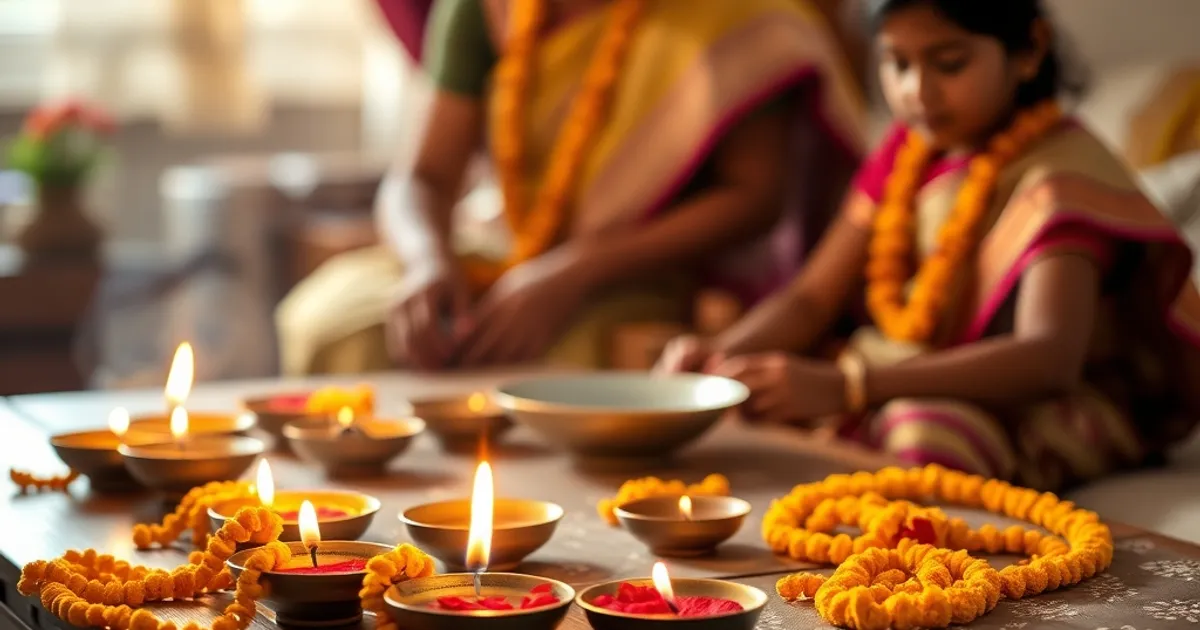
For those with children, Guru Purnima offers a particularly accessible entry point. Explaining to a child why a full moon in July matters — the teacher lineage, the gratitude practice, the acknowledgment that knowledge passes from one generation to another — is the kind of conversation that sticks long after the diya is extinguished.
Mid-July Through Early August: Sankashti and the Fasting Cycle
August opens with Sankashti Chaturthi on August 2, the monthly moonrise fast dedicated to Ganesha. Particularly significant for Marathi, Konkani, and Gujarati families in the Bay Area, Sankashti Chaturthi involves fasting until the moon rises and then performing a Ganesh puja with modak or similar offerings. For children growing up in the Tri-Valley's South Asian community, this is often one of the first fasting traditions they observe alongside their parents — the moonrise timing adds an element of anticipation that younger family members respond to naturally.
Ekadashi on August 8 brings a no-grains observance. In Pleasanton, as across the Desi diaspora, Ekadashi means different things in different households. Strict observers give up all grains and pulses; others keep a modified fast focused on satvik eating. Either way, it tends to be a home-centered day, with lighter cooking and an earlier morning routine. Grocery runs to Fremont and Milpitas for sabudana, sendha namak, and seasonal fruit typically happen the day before.
Two days later, Pradosh Vrat on August 10 is observed by Shiva devotees on the thirteenth lunar day. This month's timing places it on a Monday — a somvar pradosh alignment that practicing families notice and plan around, as Monday is already associated with Shiva worship in many regional traditions. A temple visit, home abhishek, or a simple diya and milk offering are the most common observances.
Amavasya and the Festive Close: Nag Panchami 2026
Amavasya on August 12 marks the new moon and closes the waxing-cycle of observances. Traditionally a time for ancestor remembrance — pitru tarpan if your family keeps that practice — it is a quiet, inward day on the Pleasanton Desi calendar. New ventures, major purchases, and celebratory gatherings tend to be postponed in households that observe Amavasya meaningfully. The mood shifts toward reflection rather than festivity.
Then Nag Panchami 2026 arrives on August 16 with a completely different energy. This festival — dedicated to serpent deities and deeply rooted in agricultural traditions across India — is particularly prominent in Maharashtra, Karnataka, Goa, and parts of Andhra Pradesh. Milk offerings are made, protection is invoked for the family, and the day carries a visual and mythological richness that makes it memorable for children. Bay Area temples occasionally organize Nag Panchami-specific pujas, and community organizations sometimes set up programs for families who prefer a collective observance to a purely home-based one.
For families newer to Nag Panchami, the regional variation is significant. A Maharashtrian household's observance may look quite different from a Kannadiga family's, and both differ from North Indian customs. Asking a temple priest or a community elder about the specific tradition your family follows is worthwhile before the day arrives. What the festival shares across regions is its attention to the natural world and the protective relationship between the serpent deity and the household.
Insider Tip: For fresh flowers, marigold garlands, and specialty puja items in the Pleasanton area, same-day availability before major festivals is unpredictable. Your most reliable approach is a pre-order placed a few days in advance from an Indian grocery in the Fremont corridor. For Guru Purnima in particular — when lotus flowers are in demand — a Tuesday or Wednesday order for a weekend observance is not excessive planning.
Putting the Calendar to Work
The July-August window in Pleasanton has the weather cooperating. Warm evenings suit outdoor gatherings, and the parks along Alameda Creek and around Shadow Cliffs fill up with Indian families on weekends. A morning puja followed by an afternoon at the reservoir is a rhythm many Tri-Valley Desi families have settled into for festival weekends.
The community connections that make these months richer happen most reliably through existing networks. Temple mailing lists, cultural association newsletters, and neighborhood-specific WhatsApp groups covering language communities, professional networks, or geographic areas are where the real calendar lives. Public event discovery tends to lag behind by days or weeks. If you are newer to Pleasanton and want to find out what is actually happening for any given observance, ask a colleague or neighbor to add you to the relevant group — most residents are happy to bring newcomers in.
For families tracking the full stretch from Guru Purnima 2026 through Nag Panchami 2026, the six-week run rewards a bit of advance planning: grocery orders placed early, temple schedules confirmed before the weekend rather than the morning of, and children briefed on what each observance means so the day itself carries context rather than confusion.
FAQ
Where can I find puja supplies for Guru Purnima 2026 near Pleasanton? The Indian grocery stores in Fremont and Milpitas carry the most comprehensive selection. Pleasanton and Dublin have some everyday staples, but specialty items and fresh flowers are best sourced from the larger Fremont corridor with advance notice.
Is Nag Panchami 2026 marked with any public events in the Bay Area? Some Bay Area temples organize pujas, and community organizations occasionally coordinate gatherings. Checking temple websites and local Indian community boards in early August will give you the clearest picture of what is planned for that year.
How strictly is Ekadashi observed among Pleasanton's Desi community? Observance varies significantly by family and regional background. No community-wide standard applies — some keep full fasts, many do a modified version, others simply acknowledge the day.
Can children participate in Sankashti Chaturthi observances? Yes, and many families see it as a meaningful introduction to fasting and puja traditions. The moonrise element — waiting for the moon to appear before breaking the fast — tends to hold children's attention in a way that purely explanatory approaches do not.
What is the significance of the Pradosh Vrat falling on a Monday this cycle? In many Shaivite traditions, Monday already carries Shiva's association, so a Monday Pradosh Vrat is considered especially auspicious. Families who observe Pradosh often plan around this alignment when it occurs.
Bottom Line
From Guru Purnima 2026 through Nag Panchami 2026, Pleasanton's Desi calendar runs without a quiet week. Each observance — Purnima, Sankashti Chaturthi, Ekadashi, Pradosh Vrat, Amavasya, and finally Nag Panchami — carries its own texture, its own family traditions, and its own place in the rhythm of Indian life in the Tri-Valley. Mark the dates, stock the puja shelf a few days early, connect with your local community networks, and let the calendar do what it has always done: give the month its shape.