
Weekend Activities for Kids in Raipur
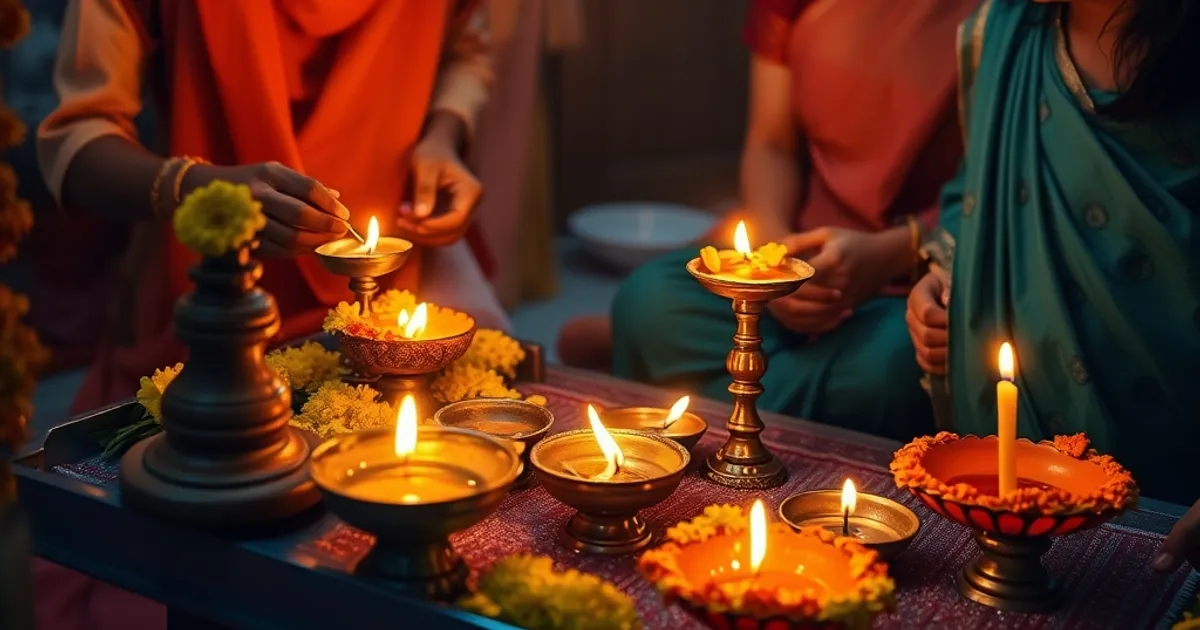
TL;DR 🗓️
- Ekadashi on Jul 25 is a fasting day families observe together with evening puja 🙏
- Pradosh Vrat on Jul 27 honors Lord Shiva — a meaningful twilight ritual for all ages
- Guru Purnima 2026 on Jul 29 celebrates teachers and gurus, perfect for children to show gratitude
- Purnima on Jul 29 marks the full moon — families gather for prayer and storytelling 🌕
- Sankashti Chaturthi on Aug 2 is devoted to Lord Ganesha, beloved by children everywhere
What Makes Late July and Early August Special in Raipur
The stretch from late July through the first week of August 2026 brings a meaningful cluster of Hindu observances that give families in Raipur a genuine reason to gather. Unlike ordinary weekends filled with errands and screens, these days carry a rhythm passed down through generations. They invite children into a living tradition of devotion, gratitude, and community — one that continues to shape how people in this city understand time, family, and faith.
These observances are not just religious obligations. They are shared experiences that teach children patience, reverence, and the quiet power of showing up — together — for something larger than daily routine.
Ekadashi — July 25
Ekadashi falls on the eleventh day of the lunar fortnight and is observed twice a month. The Ekadashi on July 25, 2026 falls during the Shukla Paksha (the bright half of the month), making it a particularly auspicious day.
For families with children, Ekadashi is a gentle introduction to the concept of fasting and self-discipline. Many adults observe a partial or full fast, while children often participate by joining the evening puja and avoiding certain foods. The act of lighting a diya together, reciting simple prayers, and understanding why the day is observed gives children a sense of belonging and continuity.
Raipur families often use Ekadashi evenings to tell children stories from the Puranas — tales of Vishnu, devotion, and the rewards of patience. These oral traditions, passed over a lamp-lit puja, leave impressions that last well into adulthood.
Pradosh Vrat — July 27
Two days after Ekadashi comes Pradosh Vrat on July 27, dedicated to Lord Shiva. Pradosh Vrat is observed on the thirteenth day of each lunar fortnight (Trayodashi) during the twilight hours — the word "pradosh" itself refers to the dusk period, that transitional moment between day and night.
Families observe this vrat by bathing, wearing clean clothes, and gathering for prayer in the early evening. Children can participate by helping set up the puja space, offering water and bel leaves where available, and joining in the chanting of simple Shiva mantras.
This is also an excellent opportunity for grandparents to explain to younger family members the significance of Lord Shiva — his role as the destroyer of ignorance, his association with nature and stillness, and why quiet dedication matters in a world that rarely slows down. Pradosh Vrat, with its twilight timing, gives the whole family a reason to stop and be present together.
Guru Purnima 2026 — July 29
Guru Purnima 2026 falls on July 29 and is perhaps the most emotionally resonant observance of this entire cluster for families with school-going children. This day is dedicated to honoring one's guru — whether a spiritual teacher, a schoolteacher, or an elder who has guided you through life.
For children in Raipur, Guru Purnima 2026 is a moment to express gratitude to their teachers in a tangible, heartfelt way. Families often encourage children to write a note, draw a picture, or simply bow in respect to an elder or teacher they admire. In many households, this day begins with a prayer honoring Sage Vyasa, the ancient guru who compiled the Vedas.
The message of Guru Purnima 2026 resonates with children at a simple, powerful level: knowledge is a gift, and those who share it deserve our deepest respect. It is one of the few observances that bridges the sacred and the everyday — the classroom and the home altar on the same ground, on the same day.
Purnima — July 29
Purnima — the full moon — also falls on July 29 this year, coinciding with Guru Purnima 2026. The full moon holds a special place in the imagination of children. There is something universally striking about a bright, full moon rising over the city after dark.
Families in Raipur can mark this evening by stepping outside after sunset to observe the moon together. Some households perform a brief moon-gazing ritual, offering water to the moon while reciting a short prayer. This is also a traditional time for storytelling — the full moon has inspired folk tales across generations, and grandparents or parents sharing a moon-related story can create lasting memories for young children.
The coincidence of Guru Purnima 2026 and Purnima on the same day makes July 29 an exceptionally full evening for family observance — layered in meaning, with room for both the sacred and the simply beautiful.
Sankashti Chaturthi — August 2
Sankashti Chaturthi on August 2 closes this cluster with an observance beloved by children across generations: a day devoted to Lord Ganesha, the elephant-headed deity of new beginnings and the remover of obstacles.
Sankashti Chaturthi falls on the fourth day of the Krishna Paksha (the waning fortnight) and is observed by fasting until moonrise, then breaking the fast after sighting the moon and completing puja. Children are naturally drawn to Lord Ganesha — his form is warm and approachable, and the stories associated with him are full of wisdom, humor, and heart.
Families can involve children in preparing the puja setup: arranging flowers, placing modaks (Ganesha's favorite sweet), and drawing or printing a simple image of Ganesha for the home altar. The moon-sighting aspect gives the evening a built-in moment of anticipation — everyone steps outside together to wait for the moon to appear before the fast is broken. For children, this waiting becomes part of the ritual's meaning.
Insider Tip
If children tend to lose focus during longer puja rituals, try giving them a specific small role: ringing the bell, lighting the diya, or holding the plate of offerings. Participation makes the observance feel like something they belong to, rather than something that simply happens around them. Even five focused minutes of genuine involvement can plant a seed of connection that grows over years.
FAQ
Q: Do children need to fast on these days? Fasting is traditionally an adult practice. Children are generally not expected to observe the full fast. They can participate in the puja, help with preparations, and join family prayers without fasting.
Q: What if we don't have a dedicated home mandir? A clean corner with a small image or murti, a diya, and some flowers is more than sufficient. The intention and consistency of practice matter far more than the scale of the setup.
Q: Are these observances specific to any caste or regional community? Ekadashi, Pradosh Vrat, Guru Purnima 2026, Purnima, and Sankashti Chaturthi are observed broadly across Hindu communities throughout India, including Raipur. They are not specific to any caste or regional tradition.
Q: How can we explain fasting to young children who want to participate? A simple, direct explanation works best: we are giving our body a rest today, and spending more time thinking about what matters most. Children respond well to honest framing without overcomplication.
Bottom Line
The five observances between July 25 and August 2 — Ekadashi, Pradosh Vrat, Guru Purnima 2026, Purnima, and Sankashti Chaturthi — offer families in Raipur a structured, meaningful set of shared experiences across two weeks. These are not obligations to be rushed through; they are invitations. When children participate in these rituals — even briefly and in small ways — they develop a sense of rootedness that stays with them long after the lamp is put away. Use these days to slow down, gather together, and let the calendar do what it has always done: mark time with meaning.