
Ganesh Chaturthi 2026 in Rome: Events, Puja & Where to Celebrate
TL;DR
- 🐘 Ganesh Chaturthi 2026 falls on September 14 for the South Asian community in Rome.
- Without a dedicated South Asian temple in Rome, home pujas and community hall events are the main celebration formats.
- The festival season builds steadily — Guru Purnima 2026 on July 29 and Krishna Janmashtami 2026 on September 4 both precede the main day.
- Nag Panchami 2026 and Raksha Bandhan 2026 in August keep the South Asian community in Rome engaged through summer.
- 🕉️ Connecting with Marathi cultural associations in Rome is the most practical first step toward organising a proper Ganesh Chaturthi puja.
Ganesh Chaturthi 2026 in Rome: The Festival and the Community
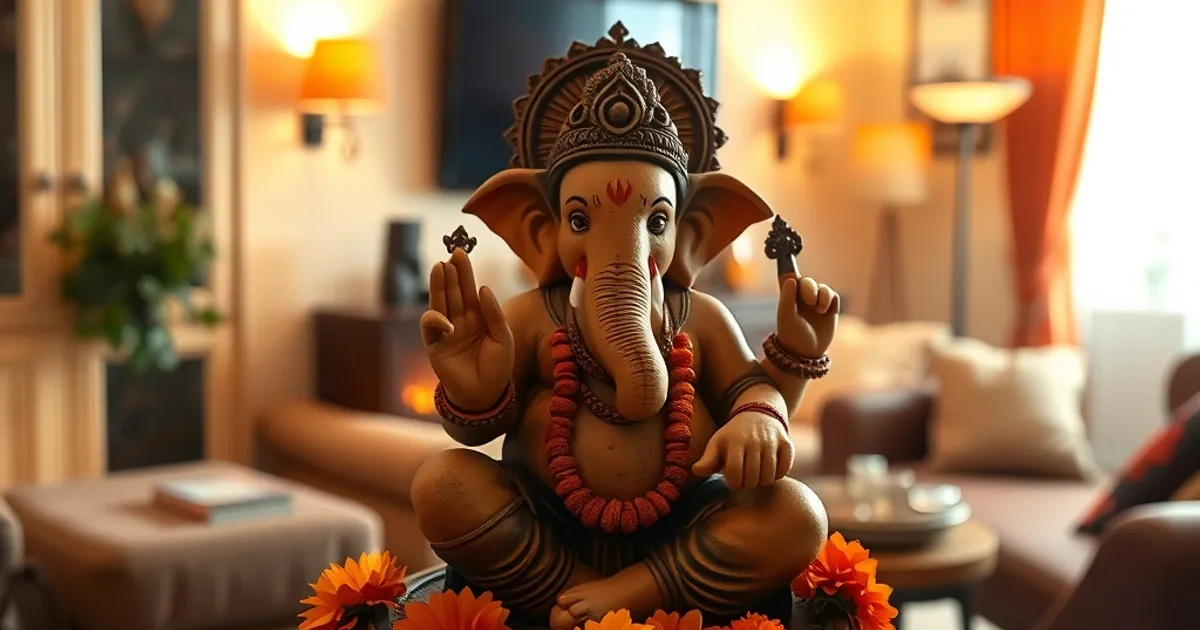
Ganesh Chaturthi 2026 falls on September 14. For the South Asian community in Rome, the festival marks one of the year's most anticipated celebrations — a time to gather, perform puja, and honour the deity known for removing obstacles. Unlike cities in India where public pandals and large-scale immersions define the ten-day festival, the observance in Rome is shaped by what is available: community halls, home-based pujas, and the organisational capacity of local South Asian cultural associations.
The South Asian presence in Rome has grown steadily over the decades, drawn by work and family ties, and this community has developed its own patterns of celebration for major Hindu festivals. Ganesh Chaturthi is among the most broadly observed, attracting participation from Tamil, Marathi, and other regional South Asian communities who share devotion to Ganesha regardless of their specific regional backgrounds. The festive energy of the South Asian community in Rome during this period is real, even if the physical infrastructure differs substantially from what exists in Indian cities.
The Festival Calendar Leading to September 14
The weeks before Ganesh Chaturthi 2026 carry several important dates for the South Asian community in Rome. Guru Purnima 2026 falls on July 29, coinciding with Purnima. This day is marked by expressions of gratitude toward teachers and gurus, and it signals the beginning of the spiritually active Shravan season. Shortly after, Sankashti Chaturthi on August 2 brings a monthly day of fasting dedicated to Ganesha — a meaningful precursor to the grand September celebration. Devotees who observe Sankashti Chaturthi through the year experience it as a monthly renewal of devotion ahead of Ganesh Chaturthi 2026.
Nag Panchami 2026 arrives on August 17, followed by Raksha Bandhan 2026 on August 27. Both festivals draw different segments of the South Asian community in Rome — Raksha Bandhan especially so, as the sibling-centred celebration resonates broadly and is observed by families regardless of regional background. Pradosh Vrat on August 25 and Ekadashi on August 23 provide further moments of devotional activity for those who observe lunar fasting days.
Krishna Janmashtami 2026 on September 4 comes just ten days before Ganesh Chaturthi 2026, creating a dense devotional corridor through early September. Some years, community groups within the South Asian community in Rome bundle Janmashtami and Ganesh Chaturthi events together, drawing larger attendance by combining the two occasions into a shared programme.
Amavasya on August 12 and Sankashti Chaturthi on August 31 are additional observances for those who follow the lunar calendar closely. The Purnima that coincides with Raksha Bandhan 2026 on August 27 gives that date extra significance as well.
Celebrating Ganesh Chaturthi in Rome: Practical Considerations
The absence of a dedicated South Asian temple in Rome means that Ganesh Chaturthi arrangements require advance planning. The main options are home pujas with a visiting pandit, community hall events organised by cultural associations, and gatherings at the homes of community members with adequate space.
Finding a pandit who can perform the Ganesh Sthapana (installation) and Visarjan (immersion) ceremonies requires connecting with South Asian networks in Rome well before September 14. WhatsApp groups and community pages associated with South Asian organisations in Rome are the practical channels for locating officiating priests and coordinating logistics. Pandits who travel from India or other European cities specifically for the festival season sometimes take bookings months in advance.
For the Visarjan, many diaspora families use biodegradable eco-friendly Ganesha idols made from clay, which can be immersed in a bucket of water at home. This practice has become widely accepted in South Asian communities outside India and avoids the complications of organising a river immersion in an unfamiliar regulatory environment. It also makes the ceremony manageable for smaller household groups.
Clay or eco-friendly Ganesha murtis can be sourced through South Asian grocery and religious goods shops in Rome or ordered online well in advance. Ordering at least three to four weeks before September 14 avoids the risk of late delivery.
Food and Offerings for Ganesh Chaturthi
Modak is the traditional sweet offering for Ganesha — the steamed rice flour dumpling filled with jaggery and coconut. Ukdiche modak (steamed) is the preferred form for puja, though fried modak is also offered in some regional traditions. Making modak at home from scratch is possible if the right ingredients are sourced from South Asian grocery stores in Rome.
Other standard puja items include durva grass, red flowers, coconut, and panchamrit — a mixture of milk, curds, ghee, honey, and sugar — used for abhishek if the full ceremonial bath of the murti is part of the puja plan. Many of these items are available through South Asian specialty stores in Rome, though availability can vary. Planning a sourcing run two to three weeks before September 14 leaves enough time to order anything not locally available.
Insider Tip
Connect with Marathi cultural associations within the South Asian community in Rome at least a month before Ganesh Chaturthi 2026. These associations are particularly active in organising Ganesh Chaturthi celebrations and often have established contacts for pandits who travel to Europe for the festival season. Joining their networks — even as a newcomer — frequently opens access to shared puja arrangements, bulk procurement of puja materials, and community-organised events that would be difficult to replicate individually. Waiting until early September makes these arrangements considerably harder to join.
Festival Dates: South Asian Calendar in Rome, July–September 2026
- Guru Purnima 2026 — July 29
- Sankashti Chaturthi — August 2
- Nag Panchami 2026 — August 17
- Ekadashi — August 23
- Pradosh Vrat — August 25
- Raksha Bandhan 2026 — August 27
- Purnima — August 27
- Sankashti Chaturthi — August 31
- Krishna Janmashtami 2026 — September 4
- Ganesh Chaturthi 2026 — September 14
FAQ
Q: When is Ganesh Chaturthi 2026 for the South Asian community in Rome? A: Ganesh Chaturthi 2026 falls on September 14. The ten-day festival technically runs until the day of Visarjan, which falls ten days after the installation of the Ganesha murti.
Q: Is there a South Asian temple in Rome for Ganesh Chaturthi puja? A: There is no dedicated South Asian temple listed for Rome. The South Asian community in Rome typically uses community halls, cultural association spaces, or home settings for Ganesh Chaturthi celebrations.
Q: Where can I find a Ganesha murti in Rome for Ganesh Chaturthi? A: South Asian grocery and religious goods stores in Rome sometimes carry murtis, and ordering online well in advance is the most reliable route. Order at least three to four weeks before September 14.
Q: What other South Asian festivals take place around Ganesh Chaturthi in Rome? A: Krishna Janmashtami 2026 falls on September 4, ten days before Ganesh Chaturthi 2026. Raksha Bandhan 2026 is on August 27, and Guru Purnima 2026 was observed on July 29 — all part of the South Asian calendar in Rome through this period.
Bottom Line
Ganesh Chaturthi 2026 on September 14 is one of the anchor festivals for the South Asian community in Rome, and advance planning is what separates a meaningful celebration from a rushed one. With no dedicated South Asian temple available, the community's strength lies in its networks — cultural associations, shared pandit contacts, and coordinated logistics. The lead-up through Guru Purnima 2026, Nag Panchami 2026, Raksha Bandhan 2026, and Krishna Janmashtami 2026 gives families in Rome a sequence of smaller observances to stay engaged with the calendar before Ganesh Chaturthi 2026 on September 14.