
Weekend Activities for Desi Kids in Rome
TL;DR
- 🏛️ Rome has a small but growing South Asian community, and the festival calendar gives Desi families a way to stay connected across the year
- 🙏 Guru Purnima 2026 and Nag Panchami 2026 were observed quietly but meaningfully by families across the city
- 🌕 Monthly Purnima and Ekadashi observances provide a rhythm for the community
- 👶 Weekend activities for Desi kids in Rome combine the city's extraordinary cultural landscape with a growing calendar of community events
- 🗓️ Desi.Net brings together events, businesses, news, and the festival calendar for Rome's South Asian families
Raising Desi Kids in Rome: Culture Layered on Culture
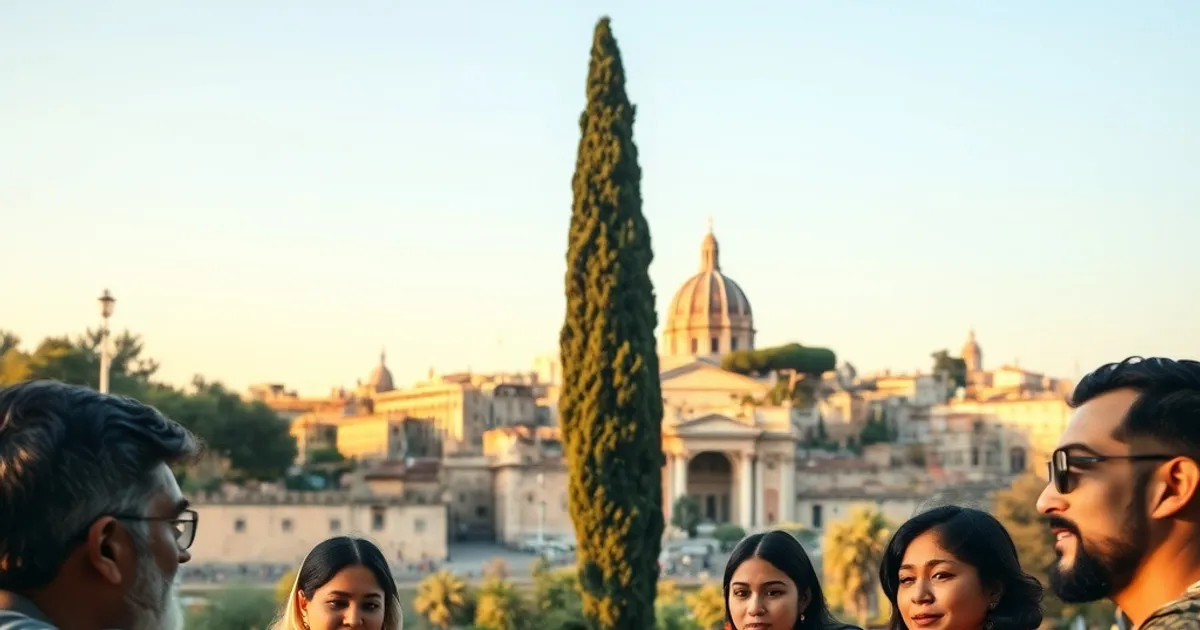
Rome is an unlikely city for raising Desi children—and also a remarkable one. The city is saturated with history: every piazza has a story, every street corner carries centuries. For South Asian families who have relocated here—through academia, medicine, diplomacy, technology, or entrepreneurship—life in Rome is an exercise in holding two cultures simultaneously and finding they are, in unexpected ways, not as foreign to each other as they first appear.
The South Asian community in Rome is not large by the standards of London or Paris. But it is real, and it is growing, and it has the infrastructure of a community that has begun to put down roots: a few temples or prayer rooms, community organizations, WhatsApp networks that circulate news and event information, and a calendar of festivals observed with varying degrees of formality depending on the occasion.
For Desi kids growing up in Rome, the combination is genuinely interesting. They learn Italian in school. They visit temples with family. They walk past the Colosseum on the way to a music lesson. They observe Ekadashi with their grandparents over FaceTime and Purnima in a local family's apartment with others who share the same tradition.
The Festival Calendar in Rome: Guru Purnima 2026, Nag Panchami 2026, and the Shravan Season
The monsoon season calendar—Shravan—is observed by Hindu families in Rome even though there is no monsoon in Italy. Guru Purnima 2026, the full moon of Ashadha dedicated to teachers and spiritual guides, was marked by the community with quiet family gatherings, prayers, and in some cases attendance at the city's Indian temple or community hall. It's one of those festivals that travels particularly well—no elaborate preparation is required, only the intention.
Nag Panchami 2026, the festival honoring Nag Devta on the fifth day of Shravan's bright fortnight, was observed by families with fasting, milk offerings, and prayers. In Rome, where a snake-specific temple is not available, families adapt—a home altar, a photograph of the deity, and the traditional items are sufficient. The festival is observed by Maharashtrian and other families according to their own regional customs.
Purnima and Ekadashi run through every month. On Purnima evenings, Satyanarayan puja is performed in homes by families who have kept the tradition going. On Ekadashi, those who fast are careful with the day's meals—fruit, milk, specific grains, and the conversation that comes with explaining to Italian colleagues why you are eating a banana and yogurt at lunch.
Pradosh Vrat, the 13th lunar day for Shiva devotees, and Amavasya for ancestor remembrance, complete the monthly cycle that families observe even far from the Indian subcontinent.
Insider Tip: Rome's Villa Borghese gardens make an excellent setting for outdoor family activities on festival days or weekends—a space large enough for a game of cricket, a picnic, and the kind of afternoon that lets Desi kids feel at home in a city that is not quite home yet.
Weekend Activities for Desi Kids in Rome
The city itself is the weekend activity. But for Desi families specifically, the calendar offers several distinct kinds of days:
Festival days: Guru Purnima 2026, Nag Panchami 2026, Purnima, and Diwali are the anchors. Community events—usually organized through WhatsApp or email groups—gather families for puja, potluck, and the shared experience of celebrating away from home.
Cultural exposure: Rome's museums and monuments are extraordinary as a backdrop. Taking children to the Roman Forum, the Vatican museums, or Castel Sant'Angelo gives them a sense of historical scale that their South Asian heritage matches—not competes with.
Language and arts: Indian classical dance and music classes exist in Rome, usually organized through community initiatives. Hindi classes, yoga, and Vedic arts are available through community efforts. These classes do double duty: they maintain cultural connection and they build the peer group that Desi children often need.
Food: Finding the right ingredients requires planning. Rome has a few Indian grocery stores and restaurants, concentrated in certain neighborhoods. Knowing which stores carry which brands—the particular dal, the cooking oil, the correct rice variety—is community knowledge that gets shared.
Finding the Desi Community in Rome
The South Asian community in Rome communicates primarily through informal networks. The main Indian embassy and cultural organizations (including ICCR and various Indian cultural associations) organize formal events—Republic Day, Independence Day, cultural performances—that bring the community together in larger settings.
Community temples or prayer spaces serve as informal gathering points for Hindu families. During major festivals like Diwali and Navratri, community events are organized in rented halls or community spaces.
For newcomers, connecting with the community often starts with finding the grocery store and the WhatsApp group—from there, the rest follows.
FAQ
Is there an Indian community in Rome? Yes—Rome has a South Asian community that has grown over recent decades, primarily through immigration from India, Sri Lanka, Pakistan, and Bangladesh. The community has temples, cultural associations, and informal networks.
How do Desi families observe Guru Purnima 2026 in Rome? Guru Purnima 2026 is observed in family gatherings, with puja and prayers, and in some cases through community events organized by local Hindu associations. It requires minimal preparation and travels well across geographies.
Where can Desi families in Rome find Indian groceries? Rome has a few Indian grocery stores in specific neighborhoods. Desi.Net's Rome directory lists current options with contact details.
What language do Desi kids in Rome grow up speaking? Desi kids in Rome typically grow up bilingual or multilingual—Italian for school and daily life, plus the family's home language (Hindi, Tamil, Gujarati, Punjabi, etc.) and often English. The multilingual experience is demanding and ultimately an asset.
Are there Indian cultural events in Rome? Yes—the Indian Embassy, cultural associations, and community groups organize events around Republic Day, Independence Day, Diwali, and other occasions. Community-organized festival gatherings happen through informal networks.
Bottom Line
Rome is one of the more unexpected places to raise Desi children, and also one of the more rewarding. The festival calendar—anchored by Guru Purnima 2026, Nag Panchami 2026, and the monthly rhythms of Purnima, Ekadashi, Pradosh Vrat, and Amavasya—gives families a shared rhythm that persists regardless of where they are in the world. The city's extraordinary cultural depth adds a layer that most Desi communities in the West do not have. Desi.Net's Rome page brings together the events, businesses, and news that help South Asian families in Rome stay connected to their community.