
New Indian Restaurants in Sacramento (July 2026)
TL;DR 🍛
- Sacramento's Indian and South Asian dining scene is expanding steadily, with new options spanning Nepalese cuisine, street food, and halal Indian-Pakistani cooking
- New Kathmandu Kitchen, Chaat Kafe, and Darbar Halal Restaurant are among the city's noteworthy newer arrivals
- The Sacramento Desi community is growing, and restaurants are responding with more regional diversity
- Chaat and street food formats are proving especially popular with both diaspora diners and the broader Sacramento food public
- Halal Indian and Pakistani dining continues to draw steady crowds from across the greater Sacramento area
Sacramento's Expanding Desi Food Landscape
California's capital city has historically been overshadowed by the Bay Area when people discuss South Asian food scenes in Northern California. That reputation is shifting. Sacramento's Indian and Desi restaurant landscape has been developing steadily over the past several years, driven by a growing South Asian population, expanding communities in suburbs like Elk Grove and Folsom, and a broader dining public that has developed genuine curiosity about South Asian cuisines beyond the familiar standards.
July 2026 finds Sacramento in a particularly interesting moment. Several newer restaurants have taken root, each representing a slightly different dimension of the enormous diversity within South Asian cooking. This guide profiles three of them — New Kathmandu Kitchen, Chaat Kafe, and Darbar Halal Restaurant — alongside context about why each cuisine type resonates so strongly with diaspora communities across California.
New Kathmandu Kitchen: Bringing Nepalese and Indian Flavors to Sacramento 🏔️
Sacramento's South Asian dining scene has, historically, leaned heavily toward North Indian and Punjabi cooking. New Kathmandu Kitchen represents something different: Nepalese cuisine, which shares deep roots with Indian cooking traditions while carrying its own distinct identity shaped by Himalayan geography and culture.
Nepalese food draws on the same subcontinental pantry of spices that defines Indian cooking — cumin, turmeric, coriander, ginger — but the preparations and proportions often differ in meaningful ways. Dal Bhat, the foundational Nepalese meal of lentil soup with rice and accompaniments, is built on the same logic as Indian thali, but quieter, earthier, and often less aggressively spiced. Momos — Tibetan-influenced steamed or fried dumplings that have become enormously popular throughout Nepal and the Indian diaspora — occupy a beloved place on Nepalese menus and have developed their own enthusiastic following in the United States.
New Kathmandu Kitchen brings this tradition to Sacramento diners, offering a cuisine that feels both familiar to South Asian palates and genuinely exploratory for anyone who knows Indian food but has not explored the Nepalese end of the spectrum. For the Sacramento Nepali-American community specifically, the arrival of a restaurant like this carries real cultural weight — the food of home is not just about taste but about belonging.
Chaat Kafe: Indian Street Food Finds Its Sacramento Moment 🌶️
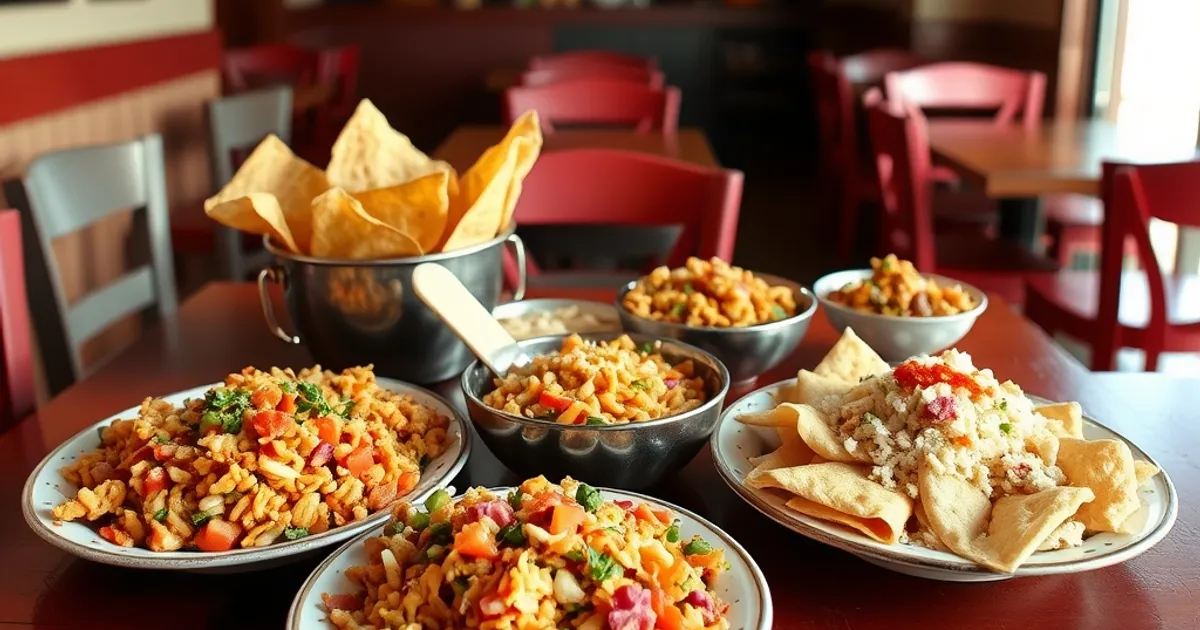
Chaat is arguably the most chaotically joyful category in Indian food. It defies easy description precisely because it is not a single thing — it is a philosophy of eating. Crispy, tangy, spicy, sweet, cooling all at once. Pani puri: hollow fried shells dunked in spiced tamarind water. Bhel puri: puffed rice tossed with onion, tomatoes, chutneys, and sev. Papdi chaat: layered crispy wafers under a heap of yogurt, chutney, and chaat masala. Dahi puri, aloo tikki, samosa chaat — the list extends indefinitely.
Chaat originated on the streets of North India, particularly in cities like Delhi, Agra, and Lucknow, and spread throughout the subcontinent to take on regional variations in Mumbai's Juhu Beach, Kolkata's footpaths, and Gujarat's market squares. In the diaspora, chaat holds enormous nostalgic power. It is the food of childhood memory, of festivals, of late evening hunger satisfied by a street vendor.
Chaat Kafe brings this tradition to Sacramento in a dedicated format focused on Indian street food. For Desi diners in Sacramento who have been making do with chaat as a side note on full-service Indian restaurant menus, a dedicated street food concept signals something meaningful: the community has grown large enough to support specialist cuisine formats.
Insider Tip: First-time chaat visitors should start with pani puri — eating it correctly, dunking and consuming each piece in one bite while the flavoured water is still inside, is a skill worth learning and a genuine cultural experience.
Darbar Halal Restaurant: Indian-Pakistani Cooking for Sacramento's Muslim Community
The Halal Indian and Pakistani dining category occupies a critical space within any Desi food scene. For Sacramento's Muslim community — which includes South Asians from Pakistan, Bangladesh, India, and East Africa, as well as a substantial non-South-Asian Muslim population — halal-certified restaurants are not simply a preference but a requirement.
Darbar Halal Restaurant addresses this need with Indian and Pakistani cooking prepared to halal standards. The Pakistani influence in particular brings flavours and dishes that are sometimes underrepresented in Indian restaurant landscapes dominated by North Indian Punjabi and South Indian formats. Pakistani cooking — with its rich meat-forward tradition, karahi preparations, nihari (slow-braised bone marrow stew), and exceptional biryanis — is distinct from Indian restaurant cooking even when it draws from shared culinary heritage.
The name "Darbar" — meaning royal court or gathering place in Urdu — evokes the communal, generous spirit that characterises Pakistani hospitality. Restaurants with this name tend to position themselves as places for gathering, for family meals, for occasions. Darbar Halal Restaurant serves a Sacramento Desi community that values not just the food but the sense of cultural space that a halal establishment provides.
Why These Cuisine Types Matter to Diaspora Diners
The three restaurants profiled here — New Kathmandu Kitchen, Chaat Kafe, and Darbar Halal Restaurant — collectively represent something important about how South Asian diaspora food scenes evolve.
First-generation diaspora communities often begin with whatever restaurants were available when they arrived, frequently dominated by generic North Indian menus. As communities grow, mature, and diversify, the demand for regional specificity increases. People want the food of their specific hometown, their specific religious tradition, their specific cultural memory — not a generalised South Asian approximation.
Sacramento is at an interesting inflection point in this evolution. The South Asian population is large enough and diverse enough that the restaurant market is beginning to differentiate. Nepalese cooking, street food formats, and halal Indian-Pakistani cooking represent three distinct audiences within the broader Desi community, each with genuine demand that these newer restaurants are working to meet.
The Sacramento Desi Dining Context
Sacramento's South Asian community is spread across a significant metropolitan footprint. While some concentration exists in the city proper, substantial Desi populations have developed in Elk Grove, Rancho Cordova, Folsom, and Roseville. This geographic spread means that restaurants serving these communities need to function as genuine destinations — places worth driving to — rather than neighbourhood conveniences.
The July 2026 dining landscape reflects ongoing growth. Alongside the established Indian restaurants that have served Sacramento for years, newer arrivals like New Kathmandu Kitchen, Chaat Kafe, and Darbar Halal Restaurant are expanding the repertoire of what South Asian dining in Sacramento can look like.
FAQ
What makes Nepalese food different from Indian food? Nepalese cooking shares many spices and techniques with North Indian cooking but tends to be less aggressively spiced, with a stronger emphasis on lentils, rice, and Tibetan influences like momos (dumplings). New Kathmandu Kitchen offers an accessible entry point to this regional distinction.
What is chaat, exactly? Chaat refers to a category of Indian street snacks characterised by the combination of crispy, tangy, sweet, and spicy flavours in a single dish. Pani puri, bhel puri, and papdi chaat are among the most familiar examples. Chaat Kafe specialises in this format.
Is halal Indian food different from standard Indian restaurant food? The core flavours and dishes are often similar — biryani, curries, kebabs — but halal certification ensures the meat is prepared according to Islamic dietary law. Pakistani cooking, which Darbar Halal Restaurant also features, tends to be more meat-centric and includes dishes like nihari and karahi that are less common on standard Indian menus.
Are these restaurants suitable for vegetarians? All three cuisines include strong vegetarian traditions. Nepalese dal bhat and vegetable momos, chaat made with potato and chickpea bases, and Indian-Pakistani vegetarian curries are all part of what these restaurants can offer.
Bottom Line
Sacramento's Indian and South Asian dining scene is genuinely developing, and New Kathmandu Kitchen, Chaat Kafe, and Darbar Halal Restaurant each represent a distinct and worthwhile direction in that growth. Whether you are a Desi diner looking for the specific cuisine of your heritage or someone curious about South Asian food beyond the standard menu, these three restaurants offer compelling reasons to explore what Sacramento's expanding Desi food landscape has to offer.