
What's Happening in San Antonio's Desi Community
TL;DR
- 🌕 Guru Purnima 2026 (Jul 29) is the most significant observance on San Antonio's South Asian calendar this season
- 📅 A string of panchang dates runs from late July through mid-August, keeping the Desi community engaged week after week
- 🛕 Temple programs and home rituals alike mark these days across the city's Indian households
- 🌿 Fasting observances like Ekadashi and Pradosh Vrat are widely kept, shaping everything from grocery runs to social plans
- 🐍 Nag Panchami 2026 wraps up the summer season with traditions carried from across the subcontinent
San Antonio is not the first city that comes to mind when people think of South Asian America, but that undersells what's actually here. The Desi community in this Texas city is real, rooted, and growing — spread across suburbs like Stone Oak, Alamo Ranch, and the medical district around the South Texas Medical Center, where many Indian American physicians and healthcare workers have built their lives. What holds this community together, as much as any restaurant or cultural organization, is the Hindu panchang — the lunar calendar that marks fasts, full moons, and festivals throughout the year.
This piece walks through the stretch of observances running from late July through mid-August 2026, explains what each one means, and offers a picture of how South Asian families in San Antonio actually live these days.
Guru Purnima 2026: The Anchor of the Season 🌕
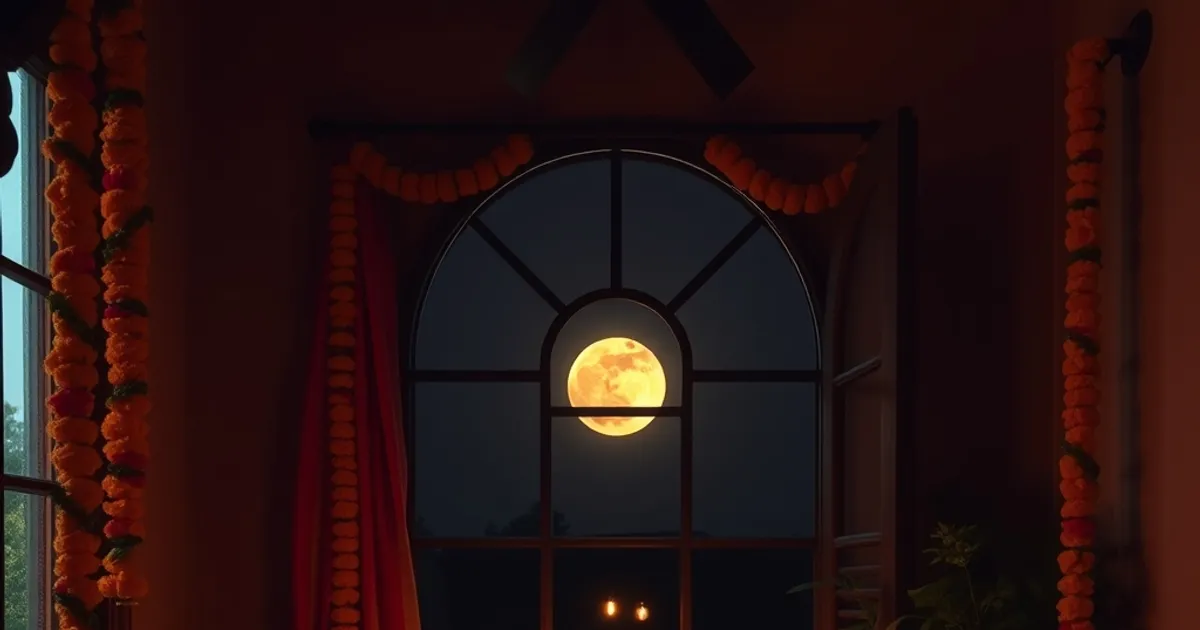
Of all the dates on the calendar this summer, Guru Purnima 2026 (July 29) carries the most cultural weight. Purnima means full moon, and this particular full moon — falling in the month of Ashadha — has been dedicated for centuries to honoring teachers, mentors, and spiritual guides. The word "guru" carries more than the pop-culture connotation it has acquired in English. In South Asian tradition, the guru is the person who moves you from darkness (gu) toward light (ru) — whether a schoolteacher, a music master, a yoga instructor, or a spiritual preceptor.
In San Antonio, Guru Purnima 2026 is observed in multiple ways. Families who maintain a devotional practice at home perform puja to their chosen deity or guru lineage. Those affiliated with organizations like ISKCON, Chinmaya Mission, or Art of Living gather for satsangs and programs. Children are encouraged to touch the feet of elders and teachers as a gesture of reverence — a practice that sometimes surprises non-Desi neighbors but means a great deal to families keeping Indian traditions alive thousands of miles from the subcontinent.
July 29 is also simply Purnima — the full moon itself — which carries its own ritual significance independent of the Guru Purnima overlay. Many devotees fast on Purnima regardless of the specific month, making this a doubly observed day across the community.
The Panchang as Community Glue
The panchang, the traditional Hindu almanac, isn't just a religious document. For South Asian families in diaspora cities like San Antonio, it functions as a kind of parallel social calendar. When Sankashti Chaturthi falls on August 2 — the fourth day after the full moon, dedicated to Ganesha — households that observe it know they'll be fasting until they see the moon that evening, then breaking their fast with sweets. That rhythm creates a low-key but real point of connection between neighbors, coworkers, and aunties in the WhatsApp group.
Ekadashi, falling on August 8 this cycle, is another widely kept observance. The eleventh day of the lunar fortnight is considered especially auspicious for fasting and prayer across multiple Vaishnava traditions. For some families, Ekadashi fasting is a lifelong practice carried from parents and grandparents. For others, it's a periodic spiritual reset. Either way, the day tends to show up in the group chat — someone asking which restaurants have Ekadashi-friendly options, someone else sharing a recipe for sabudana khichdi.
Pradosh Vrat on August 10 is a Shaivite observance, dedicated to Lord Shiva, kept on the thirteenth lunar day (trayodashi). It's particularly associated with devotees of Shiva and is often observed at temples with evening abhishek rituals. The name comes from the "pradosh" period — the twilight hour — when the puja is ideally performed.
Amavasya on August 12 marks the new moon, which holds its own significance in the panchang. Unlike Purnima, Amavasya is associated with ancestral rites — specifically the practice of tarpan or shraddha, offerings made to departed ancestors. For many families, Amavasya is a quieter day of remembrance rather than celebration.
Nag Panchami 2026: Closing Out the Season 🐍
Nag Panchami 2026 falls on August 16, and it's one of the more distinctly folk-religious days in the Hindu calendar. On this day — the fifth day after the new moon — serpents are venerated, with milk and flowers offered at ant hills or snake imagery at temples. The practice is ancient, pre-Vedic in some interpretations, and it draws participation from Hindus across regional backgrounds, from Maharashtrians to Tamils to Kannadigas.
In San Antonio's South Asian community, Nag Panchami tends to be observed more in family settings than at large communal events, but it's a recognized day on the calendar and another touchpoint in the cycle of observances that gives Indian American life its particular texture in this Texas city.
Insider Tip: If you're new to San Antonio's Desi community and want to plug in, the easiest entry points are the temples — particularly programs around major observances. Guru Purnima events in late July often include open satsangs where newcomers are genuinely welcome. Showing up for these programs, even just once, is how many San Antonio families first found their people in this city.
What Desi Life Actually Looks Like in San Antonio
Beyond the panchang, the South Asian community in San Antonio has built recognizable infrastructure. There are Indian grocery stores along Bandera Road and near Huebner that stock the staples — atta, dal, MTR mixes, fresh curry leaves, frozen parathas. There are Indian restaurants scattered across the city's north side. There are Indian classical dance schools, cricket leagues, and parent groups active in school districts like Northside and North East ISD.
The community is more spread out than those in Silicon Valley or New Jersey's Middlesex County, which means the panchang days and community events do more connective work here than they might elsewhere. When there are fewer Desi people in a city, the ones who are there tend to hold on more deliberately to shared traditions. A family that might have let Pradosh Vrat slide back home finds it becomes more meaningful when the occasion is one of only a few dozen families keeping it together in the same city.
The WhatsApp groups, the temple aunties, the weekend lunches after Saturday Hindi class — these are the threads. The panchang gives them a schedule.
FAQ
When is Guru Purnima 2026? Guru Purnima 2026 falls on July 29.
What is Sankashti Chaturthi and when is it in August 2026? Sankashti Chaturthi is a lunar observance dedicated to Lord Ganesha, falling on the fourth day after the full moon. In August 2026 it falls on August 2.
What is Ekadashi? Ekadashi is the eleventh day of the lunar fortnight, considered auspicious for fasting and devotion. In August 2026 it falls on August 8.
Is San Antonio a good city for South Asians? Yes — the city has a growing Indian American population, especially in healthcare and technology, with supporting infrastructure including temples, groceries, and cultural organizations.
What is Amavasya? Amavasya is the new moon day, associated with ancestral remembrance rituals in Hindu tradition. In August 2026 it falls on August 12.
What is Nag Panchami? Nag Panchami is a Hindu observance honoring serpents, celebrated on the fifth day after the new moon. Nag Panchami 2026 falls on August 16.
Bottom Line
San Antonio's Indian and South Asian community is quieter than the ones in Houston or Austin, but it's genuine, organized, and deeply invested in keeping cultural traditions alive. The stretch of panchang observances from Guru Purnima 2026 through Nag Panchami 2026 — Purnima, Sankashti Chaturthi, Ekadashi, Pradosh Vrat, Amavasya — gives families a continuous thread of connection across the summer months. For anyone looking to understand what Desi life in this Texas city actually looks like, the ritual calendar is as good a place to start as any.