
Janmashtami 2026 in San Diego: Events, Puja & Where to Celebrate
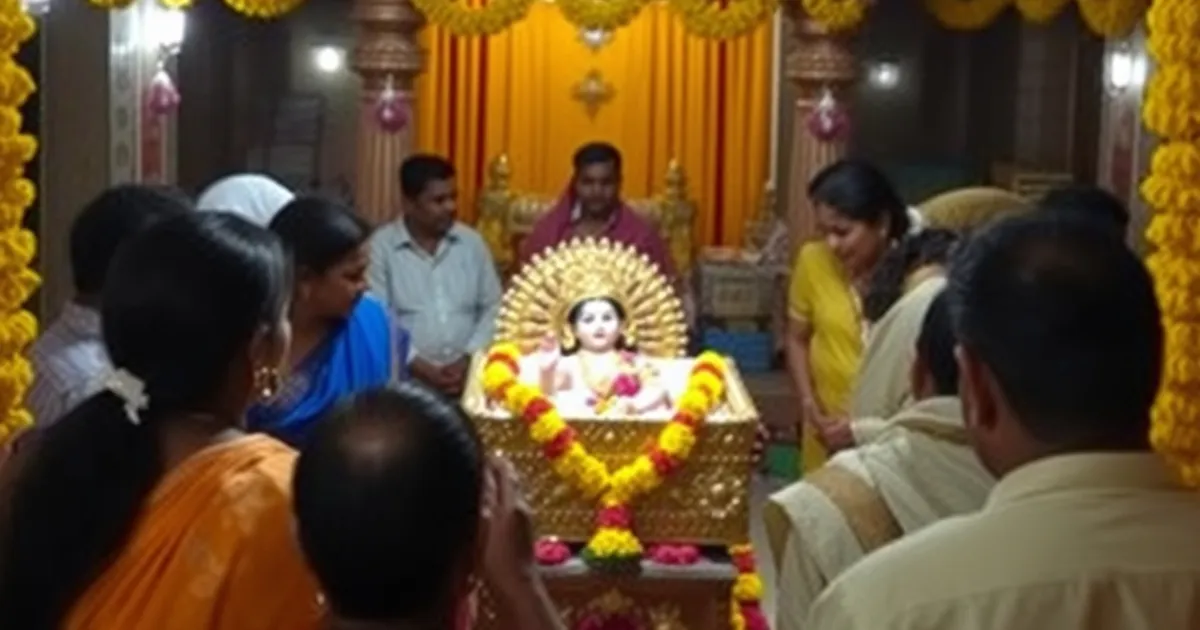
Janmashtami 2026 in San Diego: Events, Puja & Where to Celebrate
TL;DR 🙏
- Janmashtami 2026 falls on August 16, marking the birth of Lord Krishna at the stroke of midnight 🎶
- San Diego's Indian/Desi community observes a layered puja calendar in the lead-up: Guru Purnima 2026 (July 28), Sankashti Chaturthi (August 2), and Amavasya (August 12) all precede the main event
- Midnight abhishek, Raas Leela performances, and Dahi Handi are the hallmarks of how temples here mark the festival 🌙
- The Pradosh Vrat on August 10 and Ekadashi on August 8 are important fasting days in the final week before Janmashtami
- Whether your family tradition is Gujarati, Maharashtrian, North Indian, or South Indian, San Diego's Indian/Desi mandir network has a program for you 📅
Why Janmashtami Draws San Diego's Indian/Desi Community Together
Janmashtami is the annual celebration of Lord Krishna's birth, observed on the eighth day (Ashtami) of the dark fortnight in the Hindu month of Bhadrapada. In 2026, that date corresponds to August 16. The festival is marked with midnight puja, devotional singing, fasting through the day, and theatrical recreations of Krishna's life through Raas Leela performances and Dahi Handi events.
San Diego's Indian/Desi community is spread across neighborhoods from Mira Mesa to Carmel Valley, Rancho Bernardo to Chula Vista, and the city has built a strong network of mandirs, Hindu cultural organizations, and community associations that organize Janmashtami programs each year. If you have recently moved to San Diego from another part of the United States, or arrived from India or another country, connecting with these organizations is the most direct way to find where celebrations are happening.
The festival's character in San Diego is notably inclusive. Unlike some cities where one regional temple dominates the calendar, the Indian/Desi community here draws from Gujarati, Maharashtrian, North Indian, and South Indian backgrounds, and Janmashtami programs tend to welcome all of them. Krishna is revered across traditions and regions, and this cross-community resonance is reflected in how San Diego's temples approach the season.
The Puja Calendar Leading Up to Janmashtami
Understanding the ritual calendar in the weeks before Janmashtami helps you prepare spiritually and plan your schedule.
On July 24, Ekadashi is observed — a fast day on the eleventh day of the lunar fortnight, kept twice monthly by Vaishnavite and Shaivite households alike. Two days later, on July 26, Pradosh Vrat falls on the thirteenth lunar day, a Shiva-dedicated fast observed at twilight. Both days arrive within the pre-Chaturmas window when many devout families intensify their practice.
July 28 is Guru Purnima 2026, the full-moon day dedicated to the Guru lineage. Purnima observance spans July 28–29 across different traditions, and mandirs in San Diego hold special satsangs and guru-vandana programs on this date. Guru Purnima lands roughly seven weeks before Janmashtami, marking an important spiritual threshold in the summer calendar. Families who observe the day report that the combination of full-moon energy and Guru reverence gives the late-July period a distinctly elevated quality.
On August 2, Sankashti Chaturthi is observed — a monthly fast dedicated to Lord Ganesha, kept on the fourth day after the full moon. The fast is broken after moonrise, and families gather for Ganesh puja, modak offerings, and recitation of the Sankashti Stotra. This observance is particularly popular among Maharashtrian households within the Indian/Desi community in San Diego, though Ganesha's broad appeal draws participants from many backgrounds.
August 8 brings another Ekadashi, followed closely by Pradosh Vrat on August 10. These two fasting days arrive in the final stretch before Janmashtami and are observed by families maintaining a year-round practice. The Pradosh Vrat on August 10 falls on a Monday (Somvar), which is traditionally considered especially auspicious for Shiva-devotees.
August 12 is Amavasya — the new-moon day and the darkest night of the lunar cycle. Amavasya is marked with rituals for ancestors (pitru tarpan), meditation, and visits to a body of water. In San Diego, the coastal setting makes this observance particularly resonant, and some families conduct tarpan at the beach.
Insider Tip: If you plan to attend a Janmashtami midnight puja, arrive at the mandir at least 45 minutes before midnight. Temple halls typically fill well before 11:00 PM, and many mandirs set up overflow screens in the courtyard or parking area for the midnight abhishek and aarti. Arriving early also gives you time to participate in the bhajan sessions that build through the evening.
What to Expect at Janmashtami Programs
The centerpiece of Janmashtami is its midnight timing. Lord Krishna is said to have been born at the stroke of midnight (Nishita Puja), and temples replicate this with their main abhishek and aarti at that hour. Devotees fast all of August 16 and break the fast only after the midnight ceremony, often with prasad of panchamrit and sweets.
Raas Leela and Bharatanatyam performances depicting scenes from Krishna's life typically begin in the evening hours, building atmosphere leading into midnight. Classical dance ensembles, devotional music groups, and bhajan sessions create a full program that can run from late afternoon through early morning. By the time the fast is broken with the first prasad, the sense of shared celebration in a temple hall is palpable.
Dahi Handi — the tradition in which a clay pot of curd is suspended at height and teams of young men form human pyramids to break it — is observed in some San Diego programs, particularly those organized by Maharashtrian community groups. This event usually takes place on the day after Janmashtami, which in 2026 is August 17.
San Diego's Indian/Desi community also marks the season with cultural programs: Krishna-theme fancy dress for children, flute-playing competitions, and Krishna Leela skits at cultural centers and school auditoriums. These daytime programs on or around August 16 make the festival accessible to families with young children who cannot stay up until midnight.
Preparing for the Festival
If you are fasting on Janmashtami, the dietary restriction is typically no grains through the day of August 16. Fruits, milk, dairy products, and roots are permitted. Sabudana khichdi, kuttu flour rotis, and roasted makhana are standard fasting preparations. Indian/Desi grocery stores in San Diego stock these items, and demand rises in the two weeks before the festival.
Decorating your home prayer room with images and idols of baby Krishna, yellow and blue floral arrangements, and small jhulas (swings) is part of the observance. Mandir gift shops in the area are reliable sources for decorative items and ritual supplies specific to the festival.
Confirming mandir program timings in advance — by phone or through community channels — is advisable, as schedules can shift closer to the date and midnight programs occasionally adjust start times based on precise Muhurta calculations.
FAQ
When is Janmashtami in 2026? Janmashtami falls on August 16, 2026. The Nishita Puja — midnight puja — takes place as August 16 turns to August 17.
What puja days lead up to Janmashtami? Key dates are Guru Purnima 2026 (July 28), Sankashti Chaturthi (August 2), Ekadashi (August 8), Pradosh Vrat (August 10), and Amavasya (August 12).
What do people eat during the Janmashtami fast? The fast prohibits grains for the day. Fruits, dairy, sabudana, and kuttu preparations are common choices across the Indian/Desi community.
Is Janmashtami only for Vaishnavites? No. While Janmashtami centers on Lord Krishna, it is widely celebrated across the Indian/Desi community in San Diego regardless of family tradition.
Are there family-friendly events during Janmashtami? Yes. Most temple programs include daytime activities such as children's Krishna-themed fancy dress and Raas Leela performances, making the festival accessible to all ages.
What is Dahi Handi? Dahi Handi is a Janmashtami tradition in which a clay pot filled with curd is hung at height and teams form human pyramids to break it. It is primarily observed on August 17 — the day after Janmashtami — and is especially popular in Maharashtrian communities.
What is Guru Purnima 2026 and why does it matter before Janmashtami? Guru Purnima 2026 on July 28 is a full-moon day dedicated to spiritual teachers. It is observed with satsangs and guru-vandana at mandirs across San Diego, and many families consider it the spiritual start of the late-summer festival season that culminates with Janmashtami.
Bottom Line
Janmashtami 2026 on August 16 is the centerpiece of late-summer celebration for San Diego's Indian/Desi community, surrounded by a calendar of significant puja days: Guru Purnima 2026, Sankashti Chaturthi, Ekadashi, Pradosh Vrat, and Amavasya each carry their own rituals and fasting traditions. Whether you attend a midnight puja at a local mandir, watch Raas Leela performances, participate in Dahi Handi on August 17, or observe the fast at home, San Diego offers a genuinely engaged Indian/Desi community to celebrate alongside. Start checking mandir and community association announcements in early August to find the programs closest to you.