
Weekend Activities for Desi Kids in Seattle
TL;DR
- Seattle's Eastside — Bellevue, Redmond, Kirkland — is home to one of the largest Indian tech communities in the US 🌟
- The Hindu panchang gives families a natural rhythm of weekend observances that children can grow up with
- Guru Purnima 2026 on July 29 is the perfect day to take kids to the mandir and honor their teachers
- Bharatanatyam, Bollywood dance, cricket academies, and Indian language schools fill the cultural calendar all summer
- Desi.Net's Seattle listings help families find community events, temples, and kids' programs in one place
Seattle's Desi Families and the Case for Cultural Rhythm
Seattle — and particularly the Eastside corridor of Bellevue, Redmond, and Kirkland — has become one of the major Indian diaspora hubs in the United States. The concentration of Indian tech workers at Microsoft, Amazon, and the cluster of companies in the region has built a community large enough to sustain a remarkable array of South Asian institutions. The children growing up here navigate two cultural worlds simultaneously: the American life of public schools, youth soccer, and summer blockbusters, and the Indian heritage their families brought with them.
For parents, the challenge and the opportunity are the same: how do you give kids a meaningful connection to Indian culture without making it feel like an obligation? The answer, for many Seattle Desi families, is to build cultural life into the natural rhythms of the year — the weekend temple visit, the Bharatanatyam class, the language school Saturday morning, the Guru Purnima trip to the mandir. Small, repeated touchpoints create the cultural grounding that occasional large festivals alone cannot.
The Panchang as a Family Weekend Planner 📅
The Hindu lunar calendar — the panchang — is not just a religious document. For families who use it, it functions as a second layer of time, giving the year texture and rhythm that the Gregorian calendar does not provide. Introducing children to the panchang is one of the most effective ways to make Indian heritage feel lived-in rather than ceremonial.
Ekadashi (July 24, August 8) marks the eleventh day of each lunar fortnight. Many families observe Ekadashi with a grain-free fast and a temple visit. Even young children can participate in a modified way, and the regularity of Ekadashi — twice a month — creates a consistent touchstone. Some parents use Ekadashi evenings as the occasion for a devotional story from the Bhagavatam or the Mahabharata, turning it into a family storytelling tradition.
Pradosh Vrat (July 26, August 10) is observed in the evening hours, dedicated to Shiva. The timing — between roughly 4:30 and 6:00 PM — makes it manageable for families with school-age children. The evening prayers at Shiva temples are accessible and visually engaging for kids, and Pradosh Vrat opens natural conversations about the stories of Shiva, Parvati, Ganesha, and Kartikeya.
Guru Purnima 2026 falls on July 29, the same night as the Purnima full moon. This is one of the most child-appropriate observances in the Hindu calendar. The guru-shishya tradition — the relationship between teacher and student — is something children understand intuitively. Guru Purnima 2026 is the day to take them to the mandir, have them bow to their dance teacher or music guru, and talk about who their teachers are. Dance schools and music academies across the Eastside hold special Guru Purnima 2026 programs, often with student performances — a celebratory and grounding occasion that connects kids to Indian tradition in a genuinely meaningful way.
Purnima (July 29) — the full moon itself — is a beautiful occasion to take children outside after temple. Seeing the full moon and connecting it to devotional traditions bridges the cosmic and the personal in a way that stays with children.
Sankashti Chaturthi (August 2) is dedicated to Ganesha and falls on the fourth day of the dark fortnight. Ganesh is often the first deity Indian children are introduced to — elephant-headed, approachable, associated with beginnings and overcoming obstacles. Sankashti is a regular monthly occasion to reinforce that relationship. Watching for and sighting the moon before breaking the fast can become a family ritual children look forward to.
Amavasya (August 12) — the new moon — is a quieter observance focused on ancestor remembrance. Older children can be introduced to pitru tarpan — offering water and prayers for ancestors who have passed — as a way of understanding that Indian tradition honors continuity across generations.
Insider Tip: Many Seattle-area temples publish their panchang schedule monthly on their websites and social media. Screenshot the upcoming observance dates at the start of each month and block them in your family calendar — it takes five minutes and means you never miss an Ekadashi or Guru Purnima by accident.
Dance, Cricket, and Language: The Three Weekend Pillars
The weekend cultural life of Indian kids in Seattle runs on three primary tracks: performing arts, sports, and language.
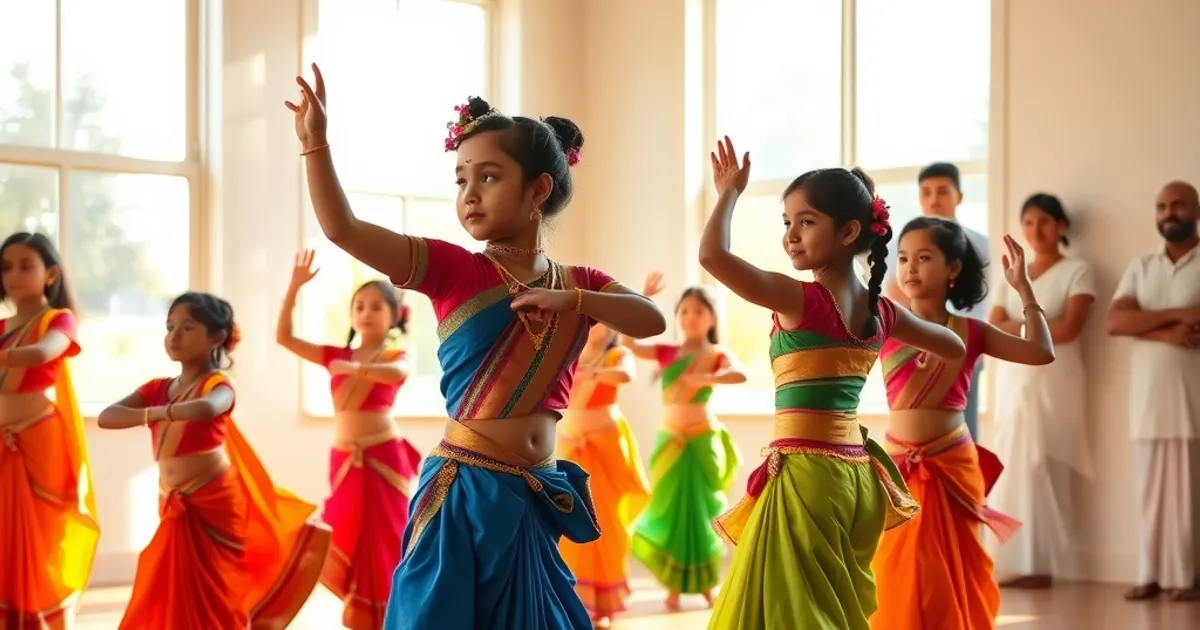
Bharatanatyam and Bollywood dance are the most widely available options. The Eastside has multiple well-established Bharatanatyam schools offering structured programs from beginner through arangetram level. Bollywood dance has a more casual entry point and is enormously popular with kids who are less inclined toward classical disciplines. Summer intensives run through July and August, and the recital and competition season gives students something concrete to work toward.
Cricket academies have grown substantially on the Eastside over the past decade. Weekend cricket at Marymoor Park and other local fields brings together Indian, Pakistani, and Sri Lankan families. Kids as young as six or seven can join beginner programs, and some academies run junior leagues through the summer months. Cricket is one of the few activities that is genuinely integrative across the South Asian community, pulling families from different regional and religious backgrounds into the same space.
Indian language schools run on Saturday or Sunday mornings, typically out of community centers or temple halls. Telugu School, Hindi school, Tamil language classes, Kannada Koota programs — the Eastside has representation from every major Indian language community. These programs do something parents cannot easily replicate at home: they put children in a room with peers navigating the same bicultural experience, which is both validating and effective for language retention.
Finding Your Community in Seattle
The Seattle Indian community is large enough that its events are spread across the calendar, and the key is knowing where to look. Desi.Net's Seattle section aggregates community listings — temples, cultural organizations, businesses, and events — and is particularly useful for families new to the area who do not yet have the WhatsApp group connections and word-of-mouth networks that longer-term residents rely on. Joining a mandir mailing list or attending a temple on Guru Purnima 2026 or Sankashti Chaturthi is often how families make their initial connections.
FAQ
At what age can kids start Bharatanatyam in Seattle? Most studios accept students starting at age four or five. Some offer parent-and-child introductory classes for younger children.
Are the Indian language schools in Seattle formal or informal programs? Most fall somewhere in between. They follow a curriculum with year-over-year continuity but operate on a community-volunteer model with a warm, informal atmosphere.
How do I find out about Guru Purnima 2026 programs at specific temples? Check the temple's website in the two weeks leading up to July 29. Most Seattle-area temples announce special programs for major observances on their websites and social media. Desi.Net listings can also help identify temples near you.
Can non-Hindu families participate in Desi community events in Seattle? Temples and community events in the Seattle Indian community are generally welcoming to all visitors. Observances like Guru Purnima have an educational quality that resonates across faiths, and cultural events like dance performances and cricket leagues are open to everyone.
What about South Asian families who are not Indian — Sri Lankan, Pakistani, Bangladeshi? The Eastside has communities from across South Asia. Cricket is particularly integrative. Tamil language programs serve Sri Lankan families as well as Indian ones. The broader Desi community umbrella is open to South Asians of all backgrounds.
Bottom Line
Seattle's Indian families have built something substantial on the Eastside: a cultural ecosystem dense enough to give kids real connection to their heritage. The Hindu panchang — Ekadashi, Pradosh Vrat, Guru Purnima 2026, Purnima, Sankashti Chaturthi, Amavasya — gives that ecosystem a calendar backbone, turning observances into family touchstones. Layer on Bharatanatyam, weekend cricket, and Saturday language schools, and the picture is of a community that has found a way to be Indian and American at the same time. For families still finding their footing, Desi.Net's Seattle listings are a practical place to start.