
Weekend Activities for Desi Kids in Stockton
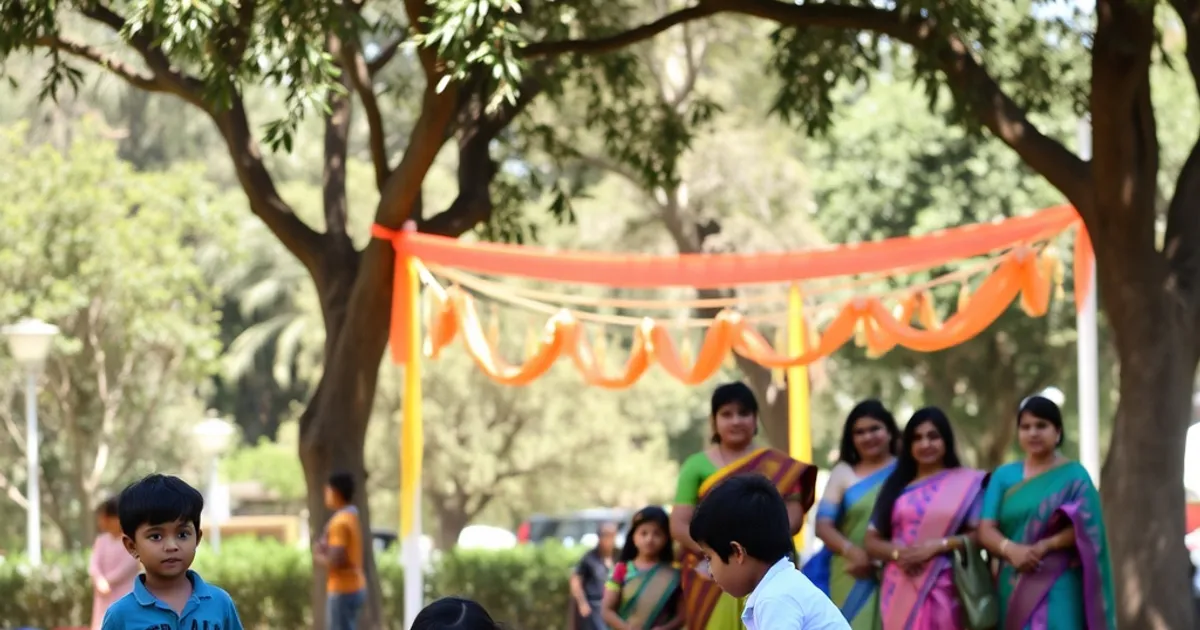
Weekend Activities for Desi Kids in Stockton
TL;DR
- 🕌 Temple visits around Guru Purnima 2026, Nag Panchami 2026, and other summer observances anchor the season for Desi families in Stockton
- 🏏 Weekend cricket at local parks keeps an authentic South Asian pastime alive for the next generation
- 💃 Bollywood dance classes and Saturday Hindi school give second-generation kids a lasting cultural backbone
- 🍳 Cooking Indian food together on weekend mornings is both bonding time and living cultural tradition
- 🎊 Stockton's South Asian community turns Hindu calendar moments into genuine neighborhood celebrations
Why Summer Is Special for Stockton's Desi Community
Summer in Stockton is more than heat and school breaks. For the city's sizeable South Asian community, the months of July and August bring a steady rhythm of Hindu observances that shape the entire family's weekend calendar. From Guru Purnima 2026 on July 28 — when families honor spiritual teachers and make special temple visits — through Nag Panchami 2026 on August 16, the weeks carry the particular texture of puja, prasad, and community gathering.
This creates a meaningful backdrop for planning weekend activities that are culturally rich for Desi kids growing up in the Central Valley. The challenge for many parents is weaving those traditions with activities that feel engaging rather than obligatory to younger generations. Stockton offers more options than most families realize, and the summer Hindu calendar provides the connective thread that holds all of them together.
Temple Visits and Hindu Calendar Observances
The most consistent weekend anchor for Desi families in Stockton is the local temple. Stockton's South Asian community has grown steadily over the past two decades, and its temples are active social hubs — not just places of worship. On major observance days, temples organize special programming that makes visits memorable for children.
Sankashti Chaturthi on August 2 is dedicated to Lord Ganesha and is widely observed by families across the Maharashtrian, Gujarati, and Tamil diaspora. Many temples hold special evening prayers that draw large crowds and create the kind of collective energy that children absorb and remember. Ekadashi on August 8 is a fasting day for many Hindu families, and temples often organize bhajan sessions and community meals that break the fast together — kids grow up absorbing these rhythms even when they are not fasting themselves.
Pradosh Vrat on August 10 honors Shiva and Parvati and is observed with evening prayers at temples across the community. Amavasya on August 12 carries ancestor-remembrance significance and is observed by many families with specific rituals. Taking children to these observances, explaining the stories behind them, and letting them participate in the aarti teaches cultural literacy that no classroom curriculum can replicate.
A practical approach for families: let the child take an active role during temple visits. Let them ring the bell, carry the offering, or choose the prasad. Ownership of the ritual is what makes it stay with a child over years.
Insider Tip: Call your local Stockton temple at least a week before major observances like Nag Panchami 2026 or Guru Purnima 2026. Many temples organize special children's programs, cultural competitions, or storytelling sessions on these dates that are not widely advertised online. Being on the temple's WhatsApp broadcast list is often the only reliable way to find out about these events in advance.
Weekend Sports and Dance: Cricket and Bollywood
Desi kids in Stockton have weekend options that keep South Asian identity front and center beyond the temple.
Cricket in the park is perhaps the most democratic Desi weekend activity. Pickup games happen at parks across Stockton on weekend mornings — not organized leagues so much as informal gatherings where uncles and teenagers share the same pitch. For a child who may feel pulled between two worlds at school during the week, these mornings provide easy belonging. Equipment is minimal: a bat, a tennis ball, and enough cousins or neighbors to make up sides. Many South Asian families in Stockton treat these Saturday morning games as their primary community social ritual, and the conversations that happen on the sidelines are as important as anything happening on the pitch.
Bollywood dance classes are available through cultural organizations and private instructors in the Stockton and greater Central Valley area. For younger children, group classes are a social event as much as a skill-builder. Students learn choreography alongside a broader cultural vocabulary — Bollywood film references, Punjabi rhythms, classical hand mudras — that connects them to something larger than the classroom. Many dance programs culminate in Diwali or Navratri performances, giving kids a performance goal and a built-in community audience.
Hindi-language school on Saturday or Sunday mornings is another steady institution for Desi families who want their children to maintain a living connection to an ancestral language. Several South Asian community organizations run weekend language programs in the Central Valley. Parents often coordinate carpools, and drop-off mornings frequently become chai-and-conversation social hours for adults while the children are in class.
Cooking Indian Food Together at Home
One of the most underrated weekend traditions in Desi households is cooking together. Weekend mornings in many South Asian homes carry a particular rhythm: the smell of tadka, the sorting of dal, the rolling of rotis, the sizzle of cumin in hot ghee. These activities transfer directly from grandparent to grandchild when the structure is in place.
For Stockton families, cooking Indian food on weekends is especially grounding because it requires active cultural engagement — choosing the right atta, sourcing the right chillies, finding frozen methi or fresh curry leaves at the Indian grocery stores that serve the community. Making those grocery runs part of the weekly routine, letting kids pick a new ingredient or an unfamiliar regional snack, turns shopping into something closer to cultural education.
Recipes connected to observance days carry particular meaning. On Amavasya, families who observe may prepare specific foods in memory of ancestors. On Sankashti Chaturthi, modak — the sweet rice-flour dumpling that is Ganesha's iconic offering — is made in many South Asian homes. These food connections give children a sensory memory tied to the calendar, and smell and taste are among the strongest anchors of cultural memory across generations.
FAQ
What structured weekend programs exist for South Asian kids in Stockton? Weekend Hindi and regional-language schools run by Indian community organizations, Bollywood and classical dance academies, and youth programs through local temples are the main options. Availability varies by season, so checking community Facebook groups and temple notice boards regularly is the most reliable approach.
Do Stockton-area temples welcome non-observant or mixed-heritage families? Most Indian temples in the Stockton area welcome all respectful visitors. Calling ahead to ask about programming on specific dates is encouraged and is usually warmly received.
How do I explain Hindu observance days to kids born in the US? Stories work better than rules. Each festival has a narrative — the serpent deities honored on Nag Panchami 2026, the guru-disciple relationship at the heart of Guru Purnima 2026, Ganesha's connection to Sankashti Chaturthi. Starting with the story and letting the ritual follow naturally is more effective than leading with obligations.
Are there Desi summer camps or day programs in the Stockton area? This varies year to year. Temple youth groups and cultural organizations sometimes run summer day programs. Checking with local temples and South Asian community associations in late spring is the most reliable way to find current offerings.
Bottom Line
Stockton's Indian diaspora is raising a generation that benefits from both California's openness and the depth of South Asian tradition. Weekend activities — from temple visits on Ekadashi and Pradosh Vrat to cricket games, Bollywood dance classes, Hindi school, and family cooking sessions — are how that tradition gets transmitted from one generation to the next. The Hindu calendar gives the year its shape; the community gives children their sense of where they belong. Summer 2026, from Guru Purnima 2026 through Nag Panchami 2026, offers a full slate of opportunities to make both happen for your family.