
Best Indian Temples & Mandirs in Sugar Land (2026)
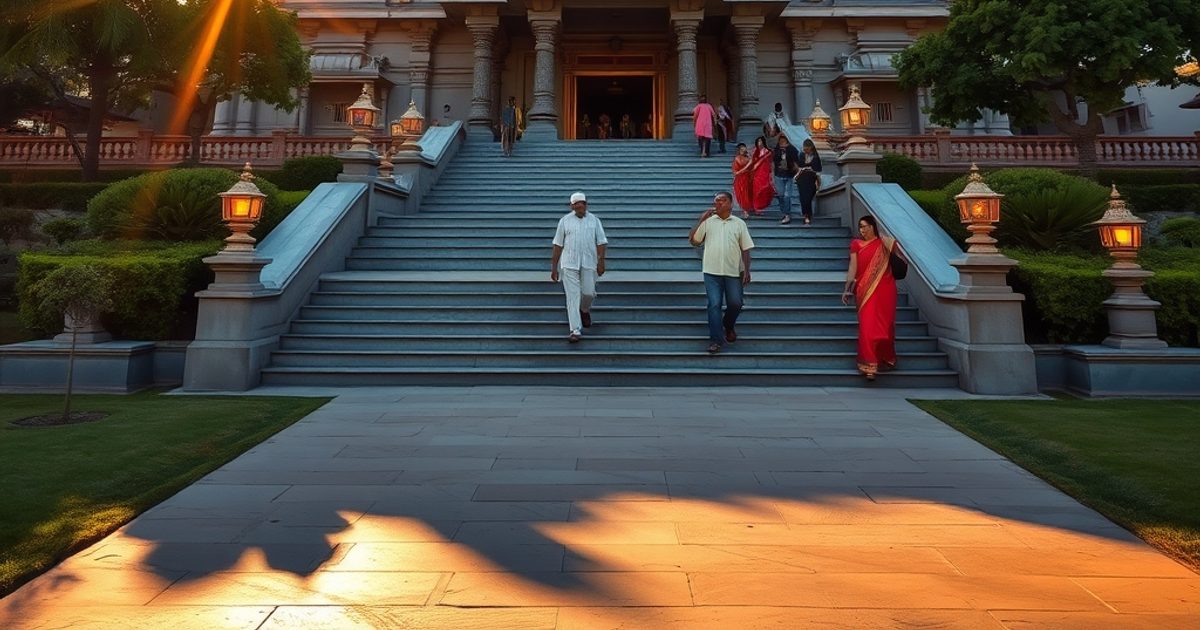
Best Indian Temples & Mandirs in Sugar Land (2026)
Sugar Land isn't just one of the fastest-growing South Asian communities in Texas — it's a place where dharma, devotion, and diaspora life genuinely intersect on a Sunday morning. Whether you're newly arrived and searching for a familiar space to pray, or a longtime resident looking to deepen your kids' cultural roots, knowing which mandirs are right around the corner can make all the difference. This guide is for us — the Desi families, uncles, aunties, and young professionals who call Sugar Land home.
TL;DR
- 🛕 Sugar Land's famous "Temple Row" on Synott Road puts multiple mandirs within walking distance of each other — plan one morning to visit several.
- 📿 The community spans many traditions: Vaishnavite, Shaivite, Swaminarayan, Chinmaya Vedanta, Sai, and Ayyappa devotees all have a home here.
- 🕐 Some mandirs like Shri Krishna Vrundavana publish weekend hours (Saturday & Sunday, 7 AM – 1 PM) — always check a temple's website before you go.
- 🙏 Beyond prayer, these spaces host festivals, language classes, youth programs, and cultural events central to South Asian life in Sugar Land.
- 📍 Most temples are clustered in the 77498 and 77479 zip codes, making Sugar Land one of the most spiritually convenient Desi suburbs in the Houston metro.
Why Sugar Land Has Become a Spiritual Hub for South Asians
The numbers tell part of the story — Fort Bend County has one of the highest concentrations of Indian-Americans anywhere in the United States. But numbers don't explain the feeling you get driving down Synott Road on a Saturday morning, when the smell of agarbatti drifts across the parking lot and children in pavadai and dhoti are running between temple halls. That feeling is community, and Sugar Land has spent decades building it intentionally.
For the South Asian diaspora, temples serve a purpose far beyond weekend worship. They are the places where we teach our children Sanskrit shlokas, where grandparents find their language and rituals intact, and where newcomers find their footing in a new city. Understanding what each temple offers helps you find your right spiritual home — or homes, because many Desi families worship at more than one.
Temple Row: Synott Road and Its Cluster of Mandirs
If you've lived in Sugar Land for any amount of time, you already know that Synott Road is sacred in its own quiet way. Three major temples sit within a short stretch of this road, making it the spiritual spine of the local South Asian community.
Sri Ashta Lakshmi Temple at 10098 Synott Road is dedicated to all eight forms of Goddess Lakshmi — a relatively rare and special focus that draws devotees from across the Houston metro. The temple is run by a committed community organization, and you can reach them at +1-281-498-2344 or visit ashtalakshmi.org for festival schedules and seva opportunities. Navaratri and Diwali celebrations here are particularly beloved.
Just a little further up the road, Shri Krishna Vrundavana at 10223 Synott Road is a Vaishnavite temple with a warm, bhakti-forward atmosphere. Their posted weekend hours — Saturday and Sunday from 7:00 AM to 1:00 PM — make early-morning darshan very accessible for families before the rest of the day gets away from you. Their website is txtemple.org, and you can reach the temple at +1-713-589-9183 for specific event queries.
At 10353 Synott Road, you'll find both Sri Saumyakasi Sivalaya and Chinmaya Mission Houston sharing the same address — a fitting symbol of how layered and multidimensional the local Hindu community truly is. Sri Saumyakasi Sivalaya is a Shaivite temple; visit saumyakasi.org for details, or call +1-281-568-1690. Chinmaya Mission is a globally respected Vedanta organization that blends rigorous scripture study with devotional practice, making it a wonderful choice for families who want their children to understand the why behind ritual, not just the what.
Also on Synott Road, Shree Swaminarayan at 10080 Synott Road (website: issotx.org, phone: +1-281-530-2565) represents the Swaminarayan sampraday — a tradition with deep roots in Gujarat that has established a significant presence in Sugar Land's large Gujarati community. The satsangs, kirtans, and youth activities here reflect a very organized and family-centered approach to spiritual life.
💡 Desi Insider Tip: If you're visiting Synott Road temples for the first time, go on a Sunday morning and make a full circuit. Parking can get tight during major festivals, so arrive early or carpool with neighbors. The prasad situation on Synott Road is genuinely next-level — you might end up with three different types of peda before 10 AM, and no one is complaining.
Beyond Synott Road: More Mandirs Across Sugar Land
Sugar Land's spiritual life doesn't begin and end on Synott Road. Several other organizations serve specific communities and traditions across the city.
Shree Swaminarayan Satsang – Houston Chapter of ISSM Vadtal Gadi is located at 2914 Green Fields Drive and represents the Vadtal Gadi branch of the Swaminarayan tradition — distinct from the Sokhli Gadi branches — which is an important distinction for devotees who follow that specific lineage.
Texas Ayyappa Seva Samaj Inc. at 4703 Stratford Lane serves the large Kerala Hindu community in Sugar Land with a focus on Lord Ayyappa — whose devotees, called Ayyappans, often undertake a 41-day vratam before the annual pilgrimage season. This samaj is a meaningful gathering point for Malayalam-speaking South Indians in Fort Bend County.
Shirdi Sai Jalaram Mandir at 13845 W. Bellfort Street brings together two powerful devotional traditions under one roof — Shirdi Sai Baba and Jalaram Bapa — making it a particularly inclusive space that draws both Hindu and interfaith visitors. Thursdays hold special significance for Sai devotees, so keep that in mind when planning a visit.
Sanatan Hindu Center at 603 Doscher Lane and Hindu Dharma Foundation Inc. at 1518 Whitfield Street round out the picture, offering additional spaces for worship, community gatherings, and cultural programming. Both reflect the grassroots energy that has always powered South Asian religious life in the diaspora — community members coming together, pooling resources, and building something lasting.
What to Know Before You Visit Any Temple
Even for lifelong Hindus, visiting a new mandir in a new city can feel slightly unfamiliar. A few practical things to keep in mind:
Most temples request that you remove footwear before entering the sanctum. Wearing easy slip-on shoes saves you time, especially with kids in tow. Modest, traditional dress is appreciated — though most temples in Sugar Land are relaxed and welcoming about this. Bringing a small offering of flowers or fruit is always a gracious gesture, but never required.
For major festivals like Ganesh Chaturthi, Navratri, Diwali, or Vaikunta Ekadasi, expect larger crowds and adjusted schedules. Always check the temple's official website or call ahead for festival timing — going in with accurate information makes the experience far more peaceful.
Many of these temples also run cultural and educational programs: Sanskrit classes, Carnatic music lessons, Bharatanatyam, and youth Balavihar groups. If you have kids, asking about these programs when you visit is one of the best investments you can make in their cultural identity.
Festivals and Community Events to Put on Your Calendar
The Sugar Land temple circuit really comes alive during the major Hindu festival calendar. Navratri garba nights, Diwali melas, Krishna Janmashtami midnight celebrations, Shivaratri abhishekam, and Vaikuntha Ekadasi events draw thousands of families from across the Houston metro. These festivals are where the diaspora experience is at its most joyful and cohesive — grandchildren dancing garba next to grandparents, potluck prasad, and the particular magic of an entire parking lot smelling like jasmine and camphor.
Keep an eye on individual temple websites and the Desi.Net community calendar for announcements. Many temples also maintain active WhatsApp groups and Facebook pages where last-minute event updates get posted.
FAQ
Q: Are these temples open to visitors who aren't Hindu or aren't South Asian? Most Hindu temples in Sugar Land warmly welcome sincere visitors of any background. It's considerate to dress modestly, observe silence in the sanctum, and follow any posted guidelines about photography.
Q: Do I need to book a slot in advance for regular darshan? For everyday visits during posted hours, advance booking is generally not necessary. However, for special poojas, abhishekam, or major festivals, many temples do require advance registration — check the specific temple's website.
Q: Are there Jain or Sikh places of worship in Sugar Land as well? Sugar Land and the broader Fort Bend area do have Sikh gurdwaras and Jain temples nearby, though this guide focuses specifically on Hindu mandirs. Desi.Net covers the full spectrum of South Asian faith communities locally.
Q: Can I volunteer at these temples even if I'm new to the area? Absolutely — most of these temples rely on volunteer seva for everything from cooking prasad to organizing events. Showing up and expressing interest is usually all it takes to get involved.
Q: What's the best time of year to experience Sugar Land's temple culture if I'm visiting family? Navratri (September/October) and Diwali season are the most vibrant times, but Krishna Janmashtami in August is also spectacular, particularly at Shri Krishna Vrundavana.
The Bottom Line
Sugar Land has built something genuinely remarkable: a living, breathing South Asian spiritual ecosystem where multiple traditions coexist, support each other, and continue to grow. Whether you're seeking the energy of a Lakshmi temple on a Friday evening, the quiet of a Shaivite sanctum at dawn, or the community warmth of a Swaminarayan satsang, you don't have to travel far. It's all here, and it's yours.
For more on South Asian life in Sugar Land — from community events and restaurant guides to cultural resources and local news — keep exploring Desi.Net. This is your community hub, built by and for the Desi families who make Fort Bend County home.