
Sugar Land Desi Community: Hanuman Statue Row, Major Hospital Gift, Dining Scene
Sugar Land, Texas, situated in Fort Bend County and home to one of the largest and most established Indian-American communities in the United States, has been in the spotlight for a series of developments that reflect the growing civic presence, cultural pride, and philanthropic contributions of its Desi residents. From a public debate over a Hindu statue on private property to a multimillion-dollar hospital donation by an Indian-American family and recognition of the city's vibrant South Asian dining scene, Sugar Land's Indian-American community continues to make its mark on the broader fabric of life in the Houston metropolitan area.
Indian-Americans Defend Hanuman Statue on Private Texas Property
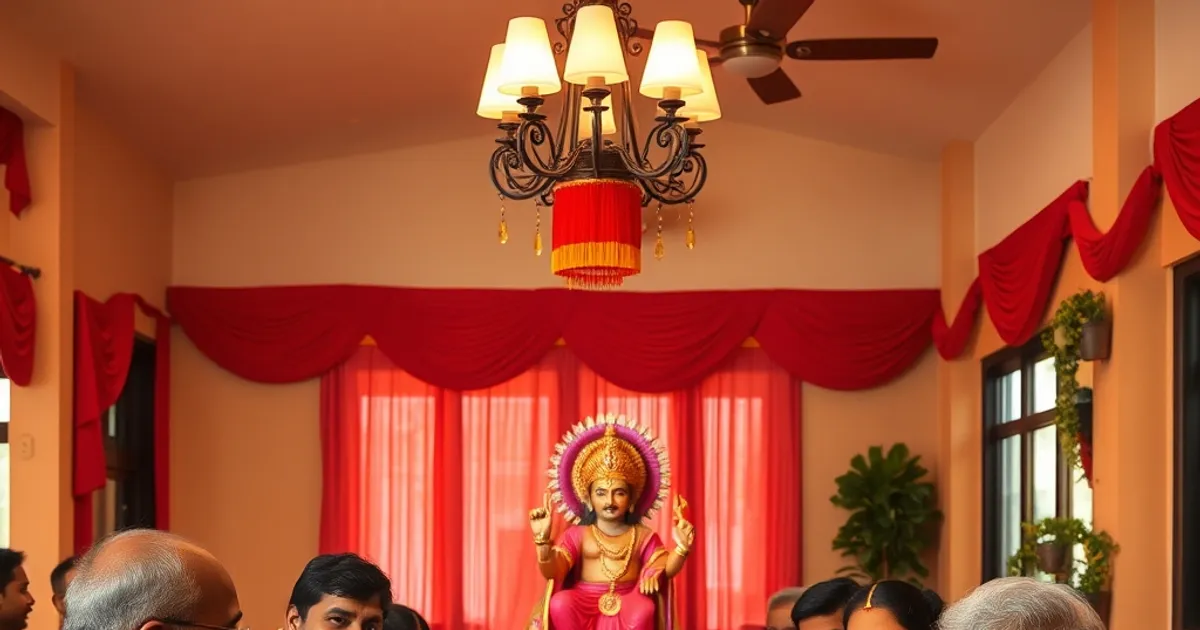
Times of India reported that Indian-American community members in Texas pushed back strongly against a MAGA influencer who made comments about a Hanuman statue in Texas. The Indian-American community members who responded to the influencer emphasized that the statue is located on private property and was built by the Hindu community. The phrase cited in coverage was that it is on private property built by Hindus, which was used to underscore that the statue represents the lawful exercise of religious and property rights by the Hindu community that established and maintains it. The pushback from Indian-American community members reflects the determination of the Hindu diaspora in the Sugar Land and Fort Bend County area to assert and defend their religious and cultural identity in the face of public criticism or political commentary directed at symbols of their faith. Fort Bend County, where Sugar Land is located, has a particularly large and well-organized Hindu community, and the presence of a Hanuman statue is consistent with the community's long-standing investment in building religious and cultural infrastructure in the area. The response from Indian-Americans was described by Times of India as a rebuke to the influencer's comments, indicating that community members felt the remarks were disrespectful or inappropriate. The case illustrates the ways in which the Indian-American community in Sugar Land and the broader Houston metropolitan region is increasingly willing to engage publicly and assertively in civic and political discourse when their community's culture, religion, or contributions are called into question by outside voices. [1]
Indian-American Agarwal Family Donates $5.5M to Sugar Land Hospital
The Indian Panorama reported that the Agarwal family, who are Indian-Americans, made a significant philanthropic donation of five and a half million dollars to a hospital in Sugar Land, Texas. The donation represents a major contribution to healthcare infrastructure in the Sugar Land community from a family within the local Indian-American population. Philanthropic giving of this scale by Indian-American families in communities like Sugar Land reflects a broader pattern of civic engagement and investment by the South Asian diaspora in the cities and regions where they have built their lives. The Agarwal family's donation to the Sugar Land hospital is described by The Indian Panorama as a significant philanthropic contribution from the South Asian community in the area. Such donations often result in recognition of the donor family, which can take the form of named wings, facilities, or endowments within the receiving institution, though the specific terms of this gift were not detailed beyond the donation amount of 5.5 million dollars. The scale of the gift underlines the economic success and community-mindedness of Indian-American families in Sugar Land and Fort Bend County more broadly. The region has attracted a high concentration of Indian-American professionals and entrepreneurs over several decades, and philanthropic contributions to local institutions such as hospitals represent one of the most tangible ways in which this community has given back to the area. The Indian Panorama's coverage of the donation signals its significance within the Indian-American community both locally and nationally, as diaspora-focused media tracks the achievements and contributions of Indian-Americans across the United States. [2]
Sugar Land Desi Dining Scene Earns Place in Houston Chronicle Spotlight
The Houston Chronicle featured Sugar Land in a roundup of the best restaurants in the city, and given Sugar Land's demographics, the Indian and South Asian dining scene represents a defining feature of the local restaurant landscape. Sugar Land and Fort Bend County are home to a remarkably large Indian-American population, which has given rise to a dense concentration of Indian, Pakistani, and broader South Asian restaurants throughout the city. The Houston Chronicle's attention to Sugar Land as a destination for notable dining reflects the degree to which Desi cuisine has become embedded in the culinary identity of this part of the Houston metropolitan area. Indian restaurants in Sugar Land span a wide range of regional cuisines and price points, offering everything from South Indian vegetarian fare to North Indian curries, Mughlai preparations, and street food-style snacks that cater to both the large local Indian-American community and to a broader audience of diners drawn to the area's diverse food offerings. The presence of so many Indian and Desi restaurants in Sugar Land is directly tied to the size and buying power of the Indian-American community in Fort Bend County, which has grown steadily over the past several decades as waves of South Asian technology professionals, medical practitioners, and entrepreneurs settled in the greater Houston region. Recognition of Sugar Land's restaurant scene by the Houston Chronicle gives greater visibility to the Desi culinary contributions that have long been a point of pride for the Indian-American community there, and signals to a wider audience that Sugar Land is a genuine dining destination shaped in significant part by its South Asian residents and restaurateurs. [3]
Sources: [1] The Times of India · [2] The Indian Panorama · [3] Houston Chronicle