
Desi Concerts & Cultural Shows Coming to Suwanee
TL;DR
- Guru Purnima 2026 on July 29 traditionally draws bhajan evenings and classical music performances across Gwinnett County's large Indian-American community 🎶
- The August cluster — Sankashti Chaturthi, Ekadashi, Pradosh Vrat, Amavasya — creates a four-week window when Suwanee's cultural organizations schedule some of their most ambitious programming
- Nag Panchami 2026 on August 17 anchors the end of summer with temple concerts and community gatherings before the school year begins
- Gwinnett County's density of Indian-Americans makes Suwanee one of the Southeast's most active Desi cultural hubs outside a major metro core
- Classical dance recitals, bhajan sessions, and folk performances cluster tightly around these lunar dates — check community boards and temple mailing lists now 📅
Suwanee's Place in the Desi Cultural Southeast
Gwinnett County, where Suwanee sits, holds one of the highest concentrations of Indian-Americans in the Southeast United States. The community is large enough and established enough to support not just temple infrastructure but a genuine cultural arts economy — classical dance schools with performance-ready students, bhajan and devotional music groups with professional-level musicians, and organizers who have been running community events long enough to know what actually draws crowds.
Suwanee specifically has become a center of gravity within that broader Gwinnett landscape. The city's growth over the past two decades brought with it a generation of Indian-American families who arrived in their twenties and are now raising teenagers — a demographic pattern that produces cultural investment. Adults who grew up dancing Bharatanatyam or studying Carnatic music want to pass those arts forward, and that creates both demand for instruction and appetite for performance.
The result is a calendar that, around lunar observances, fills with options: temple concerts, student recitals from dance academies, devotional music sessions at community centers, and occasional ticketed shows from visiting artists based in Atlanta proper or traveling from other metros.
What Surrounds Guru Purnima 2026
Guru Purnima 2026 falls on July 29, coinciding with Purnima — the full moon. This pairing carries particular significance for the arts community. Guru Purnima is explicitly a day of teacher-honoring, and in the classical performance traditions — Bharatanatyam, Carnatic music, Hindustani vocal — the relationship between guru and shishya is the structural foundation of how the art form is transmitted. Communities with active classical arts programs treat this day as a performance occasion.
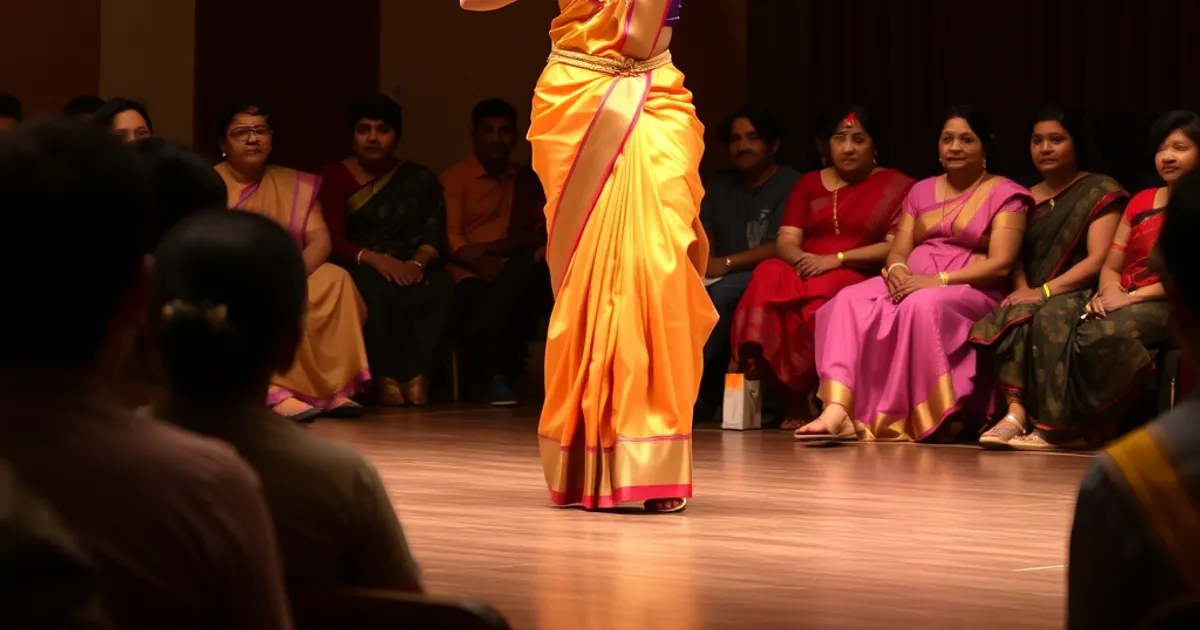
In Suwanee, that typically means recitals. Dance academies schedule student performances around Guru Purnima 2026 as formal tributes to their teachers. These events are often open to the community, not only enrolled families, making them genuinely accessible cultural experiences for anyone interested in Indian classical arts. Bhajan groups use the Purnima moonrise as a backdrop for evening devotional concerts — the full moon holds a particular aesthetic value in classical performance contexts, and outdoor or open-air gatherings timed to the moonrise are not uncommon when the Georgia summer weather cooperates.
For anyone looking for a meaningful entry point into Suwanee's Indian-American arts scene, the Guru Purnima weekend is one of the better moments. The events tend to be community-organized rather than commercially produced, which means the performances reflect genuine investment rather than calculated presentation.
Insider Tip: Suwanee's Indian-American community organizes much of its cultural programming through temple mailing lists, WhatsApp groups, and community Facebook groups rather than commercial ticketing platforms. If you are newer to the area or trying to locate events around Sankashti Chaturthi or Ekadashi specifically, connecting directly with a local temple or cultural organization will surface far more programming than any public event listing.
The August Cultural Window
The span from Sankashti Chaturthi on August 2 through Amavasya on August 12 packs five lunar observances into eleven days. For Suwanee's cultural organizations, this cluster is typically a high-programming period — events stack, and the community knows it.
Ganesh bhajan sessions cluster around Sankashti Chaturthi. Vaishnava devotional programs mark Ekadashi on August 8. Shiva-themed music and ritual events frame Pradosh Vrat on August 10. Amavasya on August 12, the new moon, tends to draw quieter gatherings focused on ancestral memory — some communities hold folk music or classical performances during this time as a form of devotional offering rather than public celebration.
The Carnatic and Hindustani music communities in Gwinnett County use these windows as informal performance occasions. House concerts — small gatherings in private homes or community rooms where a vocalist or instrumentalist performs for twenty to fifty listeners — are a significant part of how classical music circulates in Indian-American communities of this size. Suwanee's density makes these viable: there are enough trained musicians and enough interested audiences to sustain regular programming without the overhead of formal venues.
Classical dance is similarly active in this window. Bharatanatyam arangetrams — debut solo performances marking a student's completion of foundational training — are often scheduled in late summer, and the August observances create meaningful ceremonial context for these milestone performances. Attending an arangetram staged around Ekadashi or Pradosh Vrat in Suwanee is a significant community event, drawing extended families and fellow students, and representing years of preparation made public in a single afternoon or evening.
Nag Panchami 2026 and the Closing of Summer
Nag Panchami 2026 on August 17 marks the practical close of the summer cultural season in Suwanee before the school year reconfigures everyone's schedules. Temple programs on this day typically include music, community meals, and decorative ritual elements that make it one of the more visually engaging observances of the season.
For performing artists and cultural organizers in Gwinnett County's Indian-American community, Nag Panchami weekend often functions as a natural programming deadline — the last window for a summer show before families shift into school-year mode. Community theater groups, folk dance troupes, and bhajan ensembles may schedule their final summer performances in this stretch.
The broader cultural significance of Nag Panchami — serpent veneration, mythology, artistic representations of naga imagery in classical dance — gives it particular resonance in communities with active Bharatanatyam and Kuchipudi traditions. Pieces from the classical repertoire that feature naga characters or themes are sometimes staged specifically in this period.
FAQ
Where do Suwanee cultural events typically take place? Hindu temples, community centers, school auditoriums, and private gathering spaces all serve as venues. Events around Guru Purnima 2026 and Nag Panchami 2026 tend to use temple premises for the ritual-adjacent programming; classical recitals may use school or community hall facilities.
Are these events open to non-Indian-Americans? Community cultural events in Suwanee are generally welcoming to anyone with genuine interest. Classical performance recitals and bhajan sessions especially benefit from broader attendance, and most organizers are happy to explain context to newcomers.
How formal are classical dance performances in this community? It varies significantly. Arangetrams are full productions with costumes, lighting, and printed programs. Student recitals are less produced but still prepared performances. Bhajan sessions range from deeply informal to quite structured depending on the organizing group.
Does the Gwinnett County area have a dedicated Indian cultural center? Gwinnett County has several Hindu temples and Indian-American cultural associations that collectively function as cultural infrastructure. The network is dense enough that no single center is strictly necessary — programming circulates across multiple nodes.
Is Nag Panchami 2026 a public holiday in the US? No. Most programming is scheduled for evenings or the weekend to accommodate work and school schedules.
Bottom Line
Suwanee's Indian-American cultural scene is among the most developed in the Southeast, and the summer observance window from Guru Purnima 2026 through Nag Panchami 2026 is when it operates at full capacity. Classical dance recitals, devotional music sessions, community concerts, and informal house performances cluster around these lunar dates with a density that reflects both the size of the Gwinnett County community and its sustained investment in arts transmission across generations. For anyone in the Atlanta metro area looking to engage with the Desi cultural scene at its most active, the weeks surrounding these observances in Suwanee are where that engagement happens.