
Best Temples & Mandirs in Thane (2026)
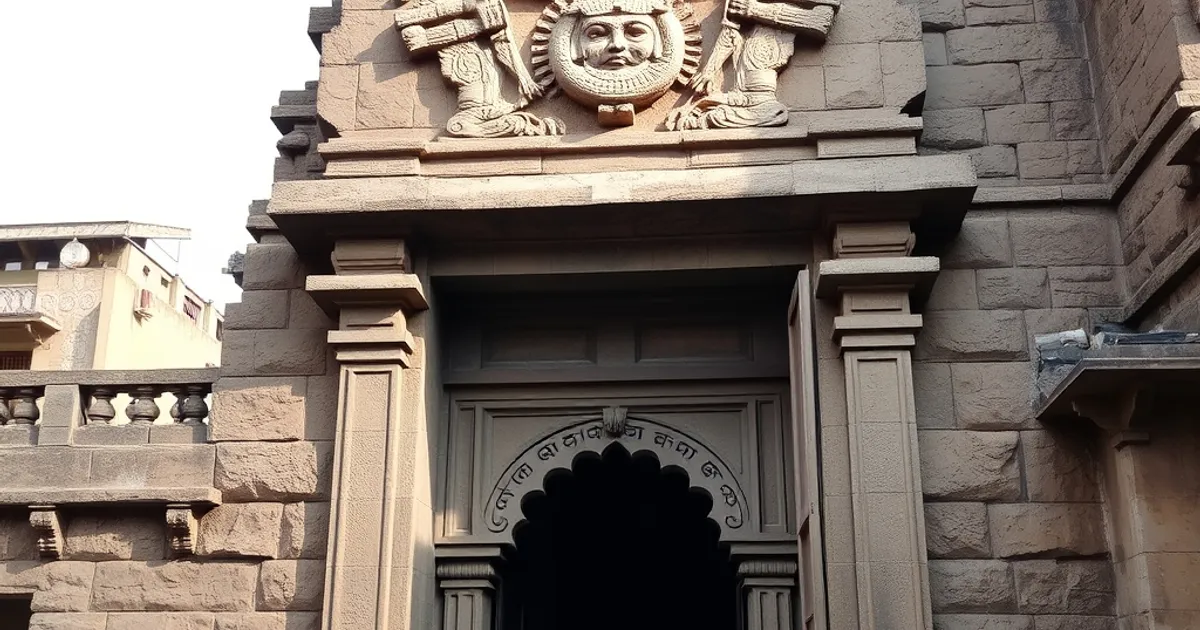
Best Temples & Mandirs in Thane (2026)
TL;DR
- 🕉 The Mrutunjay Mahadev Mandir on Guru Gobind Singh Marg is among the most-visited Shiva temples in the entire district
- 🙏 Gaon devata mandirs like Shree Gaondevi Mandir anchor neighbourhoods that were once independent villages before urbanisation absorbed them
- Thane also holds Jain derasars, Sai Baba mandirs, Hanuman mandirs, and a Dattatreya tradition served by multiple sites
- Morning aarti — typically before 9 a.m. — rewards early visitors with a more contemplative atmosphere and lighter crowds
- Entry to most mandirs listed here is free; modest dress and bare feet inside the premises are the universal expectation
Thane sits on the northern edge of the Mumbai Metropolitan Region and carries a religious history that long predates its current identity as a booming satellite city. The apartment towers and expressways are only the newest layer of a landscape that has supported mandirs, gaon devata shrines, and Jain derasars for generations. What follows is a guide to the real temples of Thane — drawn entirely from ground-level information, covering the breadth of traditions active in the city today.
Shiva Temples: The Mrutunjay Mahadev Legacy 🕌
The Mrutunjay Mahadev Mandir on Guru Gobind Singh Marg is one of the most significant Shiva temples in Thane. Its name derives from the Mahamrityunjaya mantra — Mrutunjay, meaning conqueror of death — and the mandir draws especially large congregations on Mondays, Shivratri, and throughout the sacred month of Shravan. The morning abhishek with milk and water is the centrepiece ritual, and arriving before 7 a.m. on a Monday gives you a sense of the mandir at its most devotionally charged. This is a working temple, not a heritage site, and the rhythm of daily worship defines it.
Thane's outer zones have their own Shiva mandirs. The Shiv Mandir on Bhiwandi-Kharbao Road serves communities on the district's northeastern edge, operating at a quieter register than the central city temples — fewer crowds, more space for personal prayer, and a connection to the surrounding semi-rural landscape that the denser urban mandirs cannot replicate. The Small Shiva Temple on MIDC Road is embedded in the rhythms of Thane's industrial zone and tends to attract workers stopping in before their shifts. Modest in scale, it is no less sincere in its daily observances.
The Shankar Mandir in Retibandar, Ghodbunder, sits near the creek marking Thane's western boundary with Mira Bhayandar. The approach is pleasant in the cooler months, and the mandir serves as a neighbourhood anchor for the fast-developing Ghodbunder corridor.
Gaon Devata Mandirs and the Village Heritage
Some of Thane's most important temples are the gaon devata mandirs — village deity shrines that predate the city's current built fabric and continue to function as living community institutions.
The Shree Gaondevi Mandir on Ambika Nagar Manpada Road stands within what was once Manpada village. The temple's jatra draws residents who have moved into surrounding apartment complexes without severing ties to the neighbourhood's older devotional life. Navratri is the peak season here, with nine nights of aarti and communal gathering, but the mandir operates year-round as a daily worship site.
The Durga Mata Mandir in Kanhaiya Nagar similarly anchors its neighbourhood. Durga puja at mandirs like this one intensifies through Navratri across Thane, and the site operates throughout the year as a daily centre of worship alongside its festival-season prominence.
The Datta Mandir on Patharli Road serves devotees of Lord Dattatreya, whose following is particularly strong across Maharashtra and Karnataka. Thursdays are the primary day of worship here, and Datta Jayanti in the month of Margashirsha brings the year's largest gathering.
Insider Tip: Gaon devata mandirs in Thane sometimes hold local jatras on dates set by the village panchangam rather than the printed Hindu calendar. If you plan to attend a specific jatra or yatra, confirm the exact date with a local resident or the temple committee a few days in advance — these celebrations can shift by a day or two depending on the traditional lunar calculation used by that particular mandir's governing trust.
Sai Baba and Hanuman Mandirs: The Neighbourhood Pulse
Sai Baba mandirs are among the most consistently attended religious sites across Maharashtra, and Thane follows that pattern closely. The Sai Baba Mandir within the Shivkrupa Industrial Estate on Lal Bahadur Shastri Marg draws a cross-section of the city — office workers, residents, and small business owners — with Thursdays seeing the most concentrated devotion. Sai Baba's philosophy of "Shraddha aur Saburi" translates into mandirs that feel open and welcoming to all backgrounds.
A separate Saibaba mandir near Cabin Cross Road serves a different residential pocket of the city. Thursday programs here follow the same traditional pattern: abhishek, kakad aarti, and sheja aarti in the evenings. Both sites are genuinely community-run, not tourist attractions.
Hanuman mandirs are woven into almost every Thane neighbourhood, and the Hanuman Mandir in Kariwali is a well-established local reference point. Tuesdays and Saturdays draw the largest footfall at Hanuman mandirs across Thane, with recitation of the Hanuman Chalisa running continuously at many sites on those days.
The Guru Datt Tradition and Jain Sacred Sites
The Shri Guru Datt Temple in Agason village, reached via Agason Gaon Road, represents the Dattatreya and guru-worship tradition that has long been central to religious life across Maharashtra. The village setting gives this mandir a character distinct from the city-centre sites — quieter, with a sense of continuity with the landscape around it, and tied to the Agason Gaon community's own sense of identity.
Thane's Jain population has maintained its own sacred geography running parallel to the Hindu temple landscape. The Jain Derasar on Jain Main Road and the Jain Mandir in Ashok Nagar are the two principal Jain worship sites active in this part of the city. Derasars follow strict purity protocols: shoes are removed at the entrance, leather goods are not brought in, and the atmosphere inside is quiet and focused. Non-Jain visitors are welcome at many derasars but should confirm with temple staff before entering, particularly during Paryushana when protocols are more stringent.
FAQ
What is the most visited Shiva temple in Thane? The Mrutunjay Mahadev Mandir on Guru Gobind Singh Marg is among the most frequented Shiva temples in the city, with peak attendance on Mondays and throughout Shravan.
What are gaon devata mandirs? Gaon devata mandirs are village deity shrines predating modern urbanisation. The Shree Gaondevi Mandir on Ambika Nagar Manpada Road is a well-known example — a former village temple now surrounded by residential development yet still functioning as a genuine community anchor.
Are Jain derasars open to non-Jain visitors? Many Jain derasars permit respectful non-Jain visitors, but entry protocols vary. Confirm with the Jain Derasar on Jain Main Road or the Jain Mandir in Ashok Nagar directly before visiting, especially during fasting periods or Paryushana.
What is the best time to visit temples in Thane? Early morning, before 9 a.m., is generally the most rewarding window — morning abhishek and aarti are underway, crowds are lighter, and the atmosphere is more contemplative. Evening sandhya aarti around 6–8 p.m. is the alternative for those who cannot manage mornings.
Do Thane temples charge entry fees? Most neighbourhood mandirs in Thane are free to enter. Larger sites may charge a small fee for dedicated darshan queues on festival days. Verify at the site on the day.
How do I reach Shri Guru Datt Temple in Agason village? Agason village is reached via Agason Gaon Road. Auto-rickshaws and shared transport from the main Thane road network can take you to the village; local guidance for the final approach is useful. This temple is outside the central city and requires some planning if you are not already in that part of the district.
Bottom Line
Thane's temple landscape is one of the city's least-publicised assets — dense, layered, and reflective of a religious history that runs far deeper than the glass-and-concrete developments suggest. The Shiva mandirs anchored by Mrutunjay Mahadev Mandir, the gaon devata shrines that remember a pre-urban Thane, the community-level Sai Baba and Hanuman mandirs, the Dattatreya tradition kept alive at Shri Guru Datt Temple and Datta Mandir on Patharli Road, and the austere Jain derasars — each represents a distinct strand of the city's devotional life. Together they form a sacred geography that rewards unhurried, respectful exploration at any time of year.