
Ganesh Chaturthi 2026 in Tucson: Events, Puja & Where to Celebrate
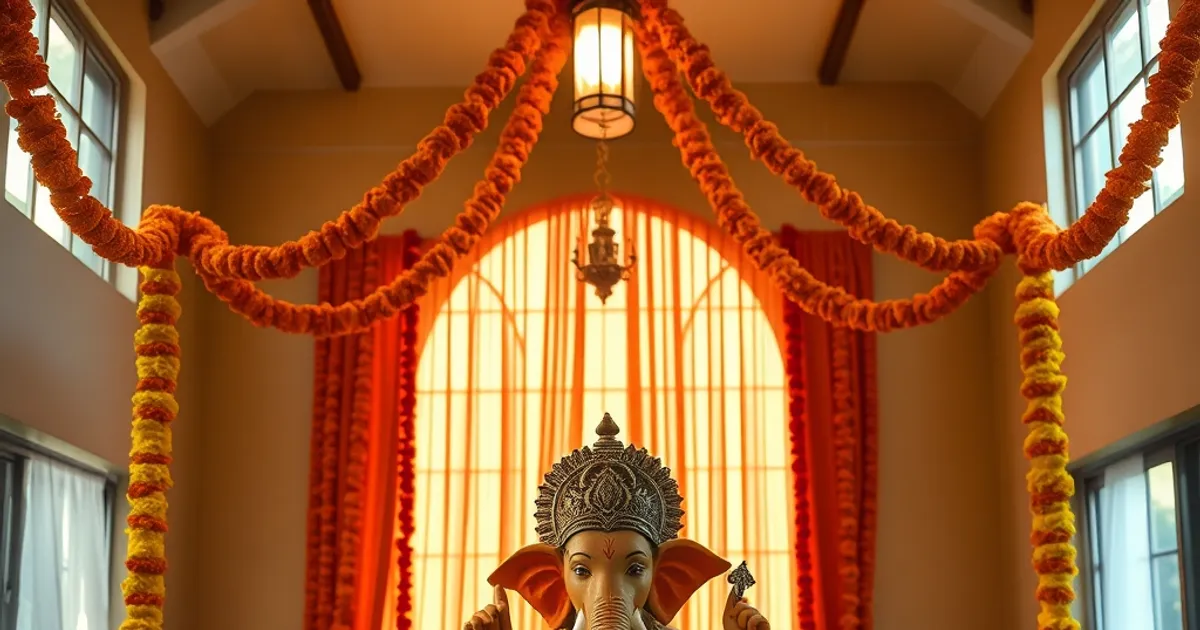
Ganesh Chaturthi 2026 in Tucson: Events, Puja & Where to Celebrate
TL;DR
- 🐘 Ganesh Chaturthi 2026 falls on August 26 — Tucson's South Asian community gathers for puja, prasad, and festivity across the city
- 📅 The festival season opens with Guru Purnima 2026 on July 29 and closes with Ganesh Visarjan 2026 on September 4
- 🌺 Hartalika Teej 2026 and Ganesh Chaturthi 2026 share the same date this year — August 26 — making it a double-celebration day for many households
- 🎓 University of Arizona draws students and researchers from across South Asia, giving Tucson a uniquely campus-connected Desi community
- 🗺 Connect with local temples and South Asian student organizations in mid-July to get event details before they fill up
What Ganesh Chaturthi Is and Why It Matters
Lord Ganesha holds a position unlike any other deity in the Hindu pantheon. Revered as the remover of obstacles and the lord of all beginnings, Ganesha is invoked before a new business venture, a wedding, an exam, a journey — any moment that calls for a clear path forward. His birthday, Ganesh Chaturthi, falls on the fourth day of the waxing moon in the Hindu month of Bhadrapada. In 2026, that date is August 26.
The festival has deep regional roots in Maharashtra, where it was transformed in the late nineteenth century from a private household ritual into a major public celebration. That tradition spread across India and traveled with the diaspora to every corner of the world. For Indian and South Asian families in the United States, it has become one of the primary occasions for community gathering — a moment when temples fill, mandaps go up in living rooms, and neighborhoods know there is something happening.
At the center of the observance is the sthapana: the formal installation of a clay or eco-friendly Ganesha murti on a decorated platform. Families and communities perform daily puja throughout the festival period, chanting Vedic hymns, offering modak (the sweet dumpling said to be Ganesha's favorite), red flowers, durva grass, and coconut. Priests lead the recitation of the Ganapati Atharvashirsha. The atmosphere in a home or temple during these days is layered — devotional and festive at once, with the smell of incense, the sound of chanting, and the easy noise of families gathering.
The festival runs anywhere from one and a half to eleven days depending on regional tradition. For US communities where working schedules do not flex for eleven consecutive days of puja, celebrations are typically organized around one or two weekends, with the opening day and the visarjan both receiving the fullest attention.
Tucson's Desi Community: A University Town with Deep Roots
Tucson has a character that distinguishes it from the dense South Asian enclaves of New Jersey or the Bay Area. This is a desert university city — the University of Arizona is its largest employer and one of the dominant forces shaping who lives here and how the city evolves. South Asian graduate students, postdoctoral researchers, and faculty have been arriving at the university for decades, and many of them settle in Tucson permanently, joining the healthcare and tech sectors that have grown alongside the institution.
The community that results spans a wide range. First-generation immigrants maintaining orthodox puja traditions live alongside second-generation professionals who celebrate festivals as cultural identity, and alongside international students fresh off the plane attending their first American Ganesh Chaturthi. That mix keeps the celebrations less formal than those in established metro hubs, but the commitment to the traditions themselves is genuine.
Hindu student organizations and the broader South Asian student associations at the University of Arizona have historically organized cultural events and temple visits. Local temples in the greater Tucson area provide the ceremonial core for major festivals throughout the year, and community organizations coordinate to ensure that important dates on the Hindu calendar are marked collectively.
Insider Tip: Ganesh Chaturthi 2026 arrives during the first week of the University of Arizona fall semester. New Indian and South Asian students arriving on campus often find that attending a local community puja during this period is one of the fastest ways to build a social network beyond the university. If you are new to Tucson, showing up at a neighborhood mandap or temple event during the festival is a genuinely effective way to find your footing.
The Full Puja Calendar: July Through September 2026
The season surrounding Ganesh Chaturthi 2026 is one of the most active stretches of the Hindu ritual year. Tucson's observant households and temple-going community will be marking the following occasions:
July 26 — Pradosh Vrat: A Shiva-dedicated fasting day observed on the 13th day of each lunar fortnight. Devotees fast until sunset and, where possible, visit a Shiva temple for the evening puja.
July 29 — Purnima and Guru Purnima 2026: Full moon day carries broad auspiciousness for all major rituals. Guru Purnima 2026, observed on the same date, is dedicated specifically to honoring spiritual teachers and gurus — one of the most significant observances in the Vaishnava and broader Hindu calendar. Families and students offer gratitude to teachers, elders, and religious mentors. Temple programs on this day often include discourses, bhajan sessions, and community meals.
August 2 — Sankashti Chaturthi: The monthly fasting day dedicated to Ganesha, observed on the fourth day of the waning moon. Devotees fast until moonrise and offer prayers specifically for the removal of obstacles. The Sankashti Chaturthi falling just before the main Ganesh Chaturthi 2026 festival carries heightened significance for devoted Ganesha bhaktas — many begin their preparations around this time.
August 8 — Ekadashi: The eleventh day of the lunar fortnight is a traditional fasting day honoring Lord Vishnu. Temples often hold special recitations and programs.
August 10 — Pradosh Vrat: The second Shiva fasting day of this cycle.
August 12 — Amavasya: New moon day, observed for ancestral remembrance rites (shraddha). Families offer prayers and perform rituals honoring departed loved ones.
August 17 — Nag Panchami 2026: The festival of serpent worship, observed across Hindu communities with particular intensity in Maharashtra, Karnataka, and Andhra Pradesh. On Nag Panchami 2026, devotees offer milk to snake idols or images and pray for household protection. Families from those regional backgrounds observe this at home, and some temples with relevant traditions may hold programs.
August 23 — Ekadashi: The second Ekadashi of this period.
August 26 — Hartalika Teej 2026 and Ganesh Chaturthi 2026: A genuinely rare convergence. Hartalika Teej 2026 is observed primarily by married women through fasting and prayer, centered on Lord Shiva and Parvati, seeking blessings for marital well-being and family prosperity. On that same date, the Ganesha murti is formally installed and Ganesh Chaturthi 2026 begins. For households observing both, August 26 runs from before dawn through late evening — two complete sets of rituals, two distinct devotional registers.
August 27 — Onam 2026: Kerala's harvest festival is one of the year's most distinctive South Indian celebrations. Tucson's Malayali families and the broader South Indian community mark Onam 2026 with traditional sadhya feasts — a multi-course meal served on banana leaves — alongside pookalam and cultural performances.
September 4 — Ganesh Visarjan 2026: The formal conclusion of the Ganesh Chaturthi festival. The murti, having been worshipped for ten days, is carried in procession and ceremonially immersed in water — symbolizing Ganesha's return to his divine abode and his taking of devotees' obstacles with him. In US communities, processions and eco-friendly immersion arrangements are organized by temples or community groups. The mood on Ganesh Visarjan 2026 is bittersweet: joyful and energetic, and suffused with the sincerity of a real farewell.
FAQ
When is Ganesh Chaturthi 2026? August 26, 2026.
When is Ganesh Visarjan 2026? September 4, 2026 — ten days after the festival begins.
Is Ganesh Chaturthi celebrated in Tucson? Yes. Local Hindu temples and South Asian community organizations in the Tucson area arrange pujas and community gatherings. The scale is more intimate than in major metros, but the traditions are observed with genuine care.
What is Guru Purnima 2026 and when does it fall? Guru Purnima 2026 falls on July 29. It is the annual occasion for honoring spiritual teachers, gurus, and mentors — observed at temples and in homes with prayers and sometimes community discourses.
What is Sankashti Chaturthi? Sankashti Chaturthi is the monthly fasting day dedicated to Lord Ganesha, observed on the fourth day of the waning moon each month. Devotees fast until moonrise and offer prayers for the removal of difficulties. It is distinct from the annual Ganesh Chaturthi festival.
What is Nag Panchami 2026? Nag Panchami 2026 (August 17) is the Hindu festival of serpent worship. Families offer milk to snake idols or images and pray for household protection. It falls about nine days before Ganesh Chaturthi 2026.
Can people who are not Hindu attend Ganesh Chaturthi celebrations? Community events are generally welcoming to curious visitors. Reaching out to the organizing temple or community group in advance is always a respectful first step.
Bottom Line
Tucson's Indian and South Asian Desi community may be smaller in absolute numbers than those in major coastal metros, but the dedication to marking Ganesh Chaturthi 2026 and the surrounding festival calendar is consistent and real. The season running from Guru Purnima 2026 on July 29 through Ganesh Visarjan 2026 on September 4 — with Sankashti Chaturthi, Nag Panchami 2026, Hartalika Teej 2026, and Onam 2026 along the way — gives residents multiple meaningful points of community contact. For anyone Indian or South Asian who is new to Tucson, this stretch of the calendar is among the best entry points the city offers.