
Weekend Activities for Desi Kids in Utrecht
TL;DR 🙏
- 🙏 Guru Purnima 2026 on July 29 is the most significant date in this stretch — a full moon day for gratitude and teacher reverence
- 🌕 Ekadashi falls on July 24-25 and again on August 9, offering gentle anchors for mindful family weekends
- 🎉 Sankashti Chaturthi on August 2 is one of the most child-friendly observances — Ganesha stories, modak, and home puja
- 📅 Pradosh Vrat on July 27 and August 10 provides an evening ritual framework that fits naturally into the post-dinner window
- 🌟 Amavasya on August 12 is an occasion for ancestor remembrance and family storytelling
Keeping Desi Traditions Alive for Kids in Utrecht
Utrecht is home to a growing South Asian community, and for Desi parents raising children here, one of the most common challenges is keeping cultural and spiritual traditions meaningful in a Dutch context. School schedules, Dutch public life, and the general distance from the subcontinent can make traditions feel effortful rather than natural — something you do occasionally rather than something that gives shape to the month.
The Hindu lunar calendar offers a practical solution. It provides a built-in rhythm of observances that, when connected to weekend activities, can anchor children in their heritage without requiring elaborate planning or special travel. The coming weeks bring a rich sequence of dates — Ekadashi, Pradosh Vrat, Guru Purnima 2026, Purnima, Sankashti Chaturthi, and Amavasya — each with its own character and its own possibilities for families with children of various ages.
July 24-25: Ekadashi — A Weekend for Mindful Eating and Stories
Ekadashi falls on July 24 and 25 in this lunar cycle. For adults who observe it, Ekadashi is a fasting day. For children, it is better framed as a day of intentional eating — a chance to talk about why the food on the plate looks a little different and what that means.
Sattvic cooking on Ekadashi — built around fruits, nuts, dairy, and root vegetables rather than grains and legumes — is actually well suited to children's palates when approached creatively. A morning of cooking together, making sabudana khichdi or banana halwa or fresh fruit chaat, turns the observance into an activity rather than an imposition.
The mythology behind each Ekadashi is another entry point for children. The Devshayani Ekadashi, which marks the beginning of Lord Vishnu's four-month cosmic rest during the monsoon season, translates surprisingly well into a Dutch summer frame — the long evenings and quieter pace of Utrecht in July echo the restfulness associated with this period in the Vaishnava tradition. Reading or telling the story together after dinner makes the date feel significant rather than abstract.
For older children who are curious about astrology or astronomy, Ekadashi's relationship to the lunar cycle — it falls on the 11th day of each lunar fortnight — is a good introduction to how the Panchang structures time differently from the Gregorian calendar.
July 27: Pradosh Vrat — Evening Puja as Family Ritual
Pradosh Vrat on July 27 is dedicated to Lord Shiva and is observed at twilight — traditionally in the 1.5-hour window around sunset. For families with children, this timing is a genuine advantage. The evening window aligns naturally with the hour after dinner and before bedtime, making a short, structured puja feel like a satisfying close to the day rather than an interruption.
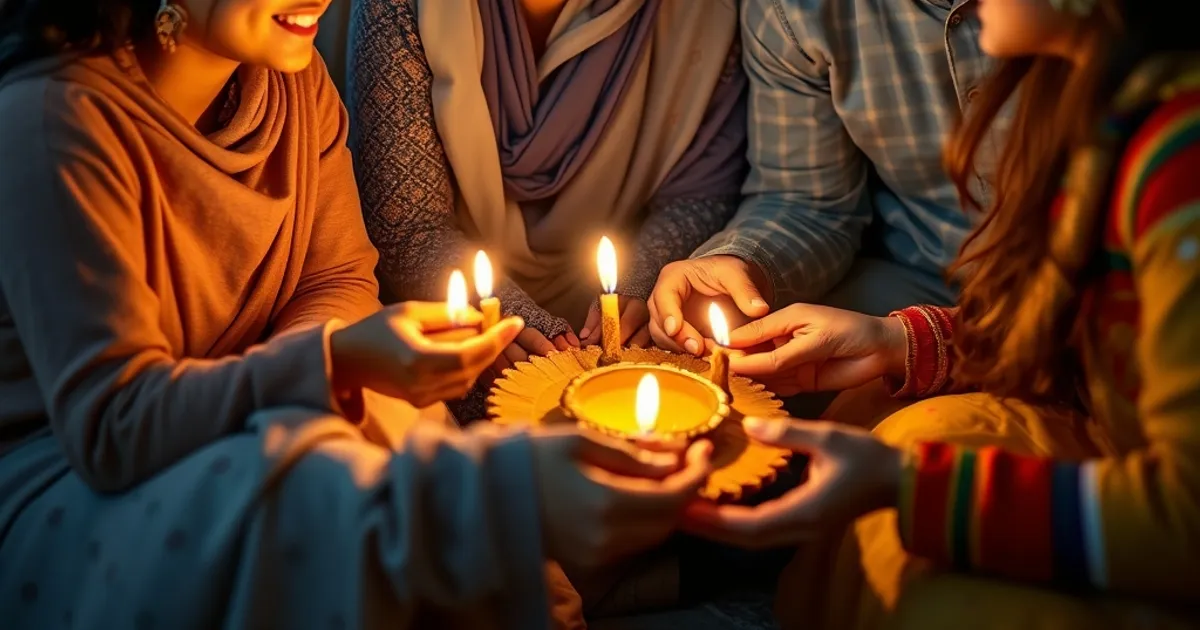
A simple home setup — a diya, some flowers or bilva leaves if available, and a few minutes of collective focus — is all that is required. Children who are old enough can participate actively: lighting the diya, arranging flowers, reciting a simple Shiva mantra alongside a parent.
The stories of Shiva are some of the most dramatically compelling in the Hindu tradition, and children respond to them well. The tale of how the Ganga descended to earth — mediated by Shiva catching the river in his matted hair to prevent the world from being destroyed by its force — is a story with real narrative stakes. So is the churning of the ocean (Samudra Manthan), in which Shiva drinks the world-ending poison to protect creation. These are not gentle bedtime stories; they are epic narratives that hold children's attention and carry deep symbolic meaning.
Utrecht's South Asian community sometimes gathers for shared observances, so checking with your local temple or community group around Pradosh Vrat is worth doing.
July 29: Guru Purnima 2026 and Purnima — Gratitude Under the Full Moon
Guru Purnima 2026 on July 29 is the most significant date in this stretch. The full moon day dedicated to teachers and gurus has a message that travels across all ages and contexts: gratitude for those who teach us. In Utrecht, far from the ashrams and temples where Guru Purnima is observed with large gatherings in India, the observance naturally becomes more intimate — and that intimacy can be its own strength.
For children, the most accessible expression of Guru Purnima is a deliberate act of gratitude. This might be a drawing or letter for a favourite teacher, a conversation about elders in the family who have passed on knowledge, or a family gathering where grandparents or older relatives are acknowledged. Some families use Guru Purnima as the occasion to begin or renew a cultural practice — starting music lessons, joining a classical dance class, or picking up a language study routine.
The coincidence of Purnima with Guru Purnima on July 29 makes the evening additionally auspicious. Utrecht in late July enjoys long, mild evenings. Taking the family outside to watch the full moon rise — and sharing stories about the moon in Indian mythology, from Chandra's role in the Panchang to the stories of Ekadashi and Amavasya — turns an astronomical event into a living cultural lesson.
Insider Tip: Guru Purnima is an excellent occasion to connect children with South Asian elders in Utrecht's community. If your local group or temple organises any form of collective observance, bring your children along. A child who participates in a shared ritual — even once — carries the memory of it differently from a child who only hears about it. The communal dimension is something a home observance alone cannot fully replicate.
August 2: Sankashti Chaturthi — Ganesha Day at Home
Sankashti Chaturthi on August 2 is observed in honour of Lord Ganesha, with fasting traditionally broken after the evening moonrise. Of all the observances in this stretch, Sankashti Chaturthi is perhaps the most naturally child-friendly. Ganesha — the elephant-headed remover of obstacles, patron of beginnings and learning — is universally beloved among Desi children, and the stories and iconography surrounding him are vivid enough to hold young attention.
A home activity for Sankashti Chaturthi might involve making modak (Ganesha's favourite sweet, and a manageable cooking project for children), drawing or crafting a Ganesha figure, or sitting together to listen to Ganesha stotras and stories. Older children can take an active role in arranging the puja thali, learning the sequence of offerings by doing it alongside a parent or grandparent.
For families in Utrecht who attend a local Hindu community group, Sankashti Chaturthi is often observed collectively and may be a good outing if gatherings are scheduled.
August 9-10: Ekadashi and Pradosh Vrat — A Mid-Month Pair
The second Ekadashi of this stretch falls on August 9, followed by another Pradosh Vrat on August 10. Having these two observances fall on consecutive days — a Saturday and Sunday, depending on the year — creates a natural opportunity for a structured Desi weekend.
Saturday's Ekadashi brings its intentional eating and storytelling. Sunday's Pradosh Vrat brings its evening puja focus. For children, experiencing two related but distinct observances back-to-back begins to make the lunar calendar feel like a living structure rather than a list of isolated dates. The key is repetition across months — the same Ekadashi rhythm returning, the same Pradosh Vrat format reappearing — until it becomes familiar.
Utrecht's climate in early August is generally warm enough for outdoor evening activities, which means the Pradosh Vrat sunset window could include a short walk or time in the garden before the indoor puja — a gentle transition that children often respond well to.
August 12: Amavasya — Connecting Children to Family History
Amavasya, the new moon on August 12, is traditionally associated with ancestor remembrance and pitru tarpan. For children, the Amavasya spirit is best communicated not through ritual formality but through story and tangible connection to family history.
This might mean sharing photographs of grandparents and great-grandparents — people the children may have met only briefly or not at all — and talking about who they were and where they lived. Cooking a dish that has been in the family for generations turns the kitchen into a site of cultural transmission. Asking grandparents or elder relatives (by video call, if they are in India or elsewhere) to share a memory on this day connects the Dutch household to a wider family network.
Amavasya's association with the absence of moonlight also makes it a natural occasion for talking with children about cycles — how darkness precedes the return of the new crescent, how rest precedes renewal. These are not heavy lessons; in the right telling, they are comforting ones.
FAQ
Q: How do I explain Ekadashi fasting to young children without making it feel like a punishment? Frame it as a day when the family eats differently to be mindful and grateful — not as restriction, but as intention. Involve them in cooking the special foods.
Q: Are there community events for these observances in Utrecht? Check with your local South Asian community group or Hindu temple. Collective observances for Guru Purnima 2026 and Sankashti Chaturthi are the most commonly organised.
Q: What if my children are resistant to religious participation? The storytelling, cooking, and moon-watching dimensions of each observance work independently of religious framing. Start there and let the deeper meaning unfold naturally.
Q: How do I keep track of these dates each month? A Hindu Panchang app adjusted for the Netherlands — set to Utrecht's time zone for accurate moonrise times — is the most reliable tool.
Q: Can we observe Guru Purnima without a specific guru or spiritual teacher? Absolutely. The spirit of the day is gratitude for anyone who teaches — school teachers, grandparents, mentors, or anyone who has passed on meaningful knowledge.
Bottom Line
The weeks ahead bring Desi families in Utrecht a structured sequence of cultural anchors: Ekadashi on July 24-25, Pradosh Vrat on July 27, Guru Purnima 2026 and Purnima on July 29, Sankashti Chaturthi on August 2, Ekadashi again on August 9, Pradosh Vrat on August 10, and Amavasya on August 12. Each date is an opportunity — for a shared meal, a story, an evening ritual, or a moment of gratitude. In Utrecht, far from the subcontinent, these small consistent acts of cultural continuity add up to something lasting for the children who grow up inside them.