
India Sticks to Indus Waters Treaty, Pakistan Cited for Project Delays via Dispute Process
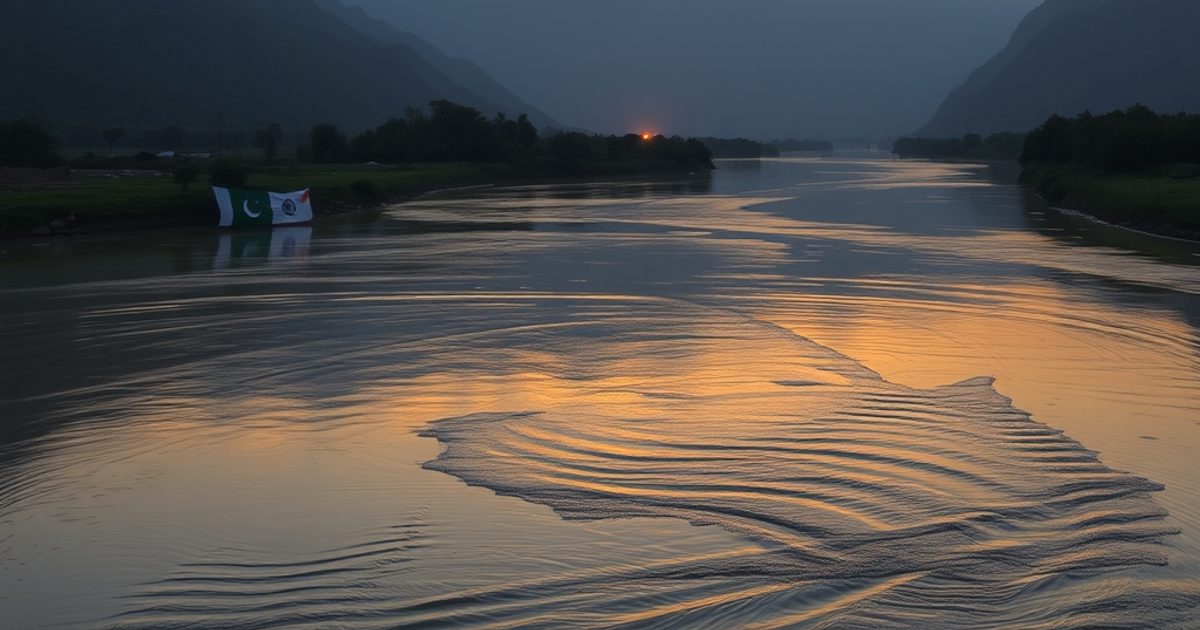
A recent analysis from India New England News highlights a stark contrast in how the two neighbours have approached the 1960 Indus Waters Treaty (IWT). The report notes that for more than six decades India has consistently honoured its obligations under the treaty, ensuring water flows according to the agreement’s provisions. By contrast, Pakistan is described as repeatedly invoking the treaty’s dispute‑resolution mechanisms, not to resolve differences, but to stall or postpone water‑related projects on the Indus basin.
The IWT, a cornerstone of South Asian water cooperation, allocates the three western rivers to Pakistan and the three eastern rivers to India. Its longevity has prevented major hydraulic conflicts, yet the dispute‑resolution clause can be used by either side to raise technical or legal objections. According to the report, Pakistan’s pattern of filing objections has resulted in delays that affect infrastructure planning on both banks.
For the diaspora, the findings matter because water security underpins agriculture, energy and livelihoods across the subcontinent. Continued cooperation under the IWT reassures investors, farmers and community members that longstanding water-sharing rules remain functional, even as political tensions ebb and flow.