
Desi Things to Do in West Chester (July 2026)
TL;DR 🗓️
- Guru Purnima 2026 on July 29 is the spiritual centerpiece of the month for the Indian and Desi community in West Chester 🌕
- Ekadashi falls on July 24 and again on August 8 — two key fasting days that frame the season
- Pradosh Vrat appears three times (July 26, July 27, August 10), giving Shiva devotees repeated windows for twilight puja 🕉️
- Sankashti Chaturthi on August 2 is kept by Ganesha devotees with a day-long fast and evening moon-sighting ritual
- Amavasya on August 12 closes the stretch with quiet ancestral remembrance 🪔
The late-July to mid-August window packs more Hindu calendar observances into a single stretch than almost any other time of year. For Indian and Desi families in West Chester, Pennsylvania, that means intentional planning — stocking the puja shelf, coordinating with family, and knowing which evenings call for a sattvic meal rather than the usual dinner routine. Below is a date-by-date guide to everything on the calendar and how to approach each observance.
Guru Purnima 2026: The Month's Focal Point
Guru Purnima 2026 falls on July 29 and is observed simultaneously with Purnima, the full moon. Of all the observances in this window, it carries the broadest participation across Indian communities — Vaishnavas, Shaivas, Buddhists, and those with no strict sectarian affiliation all recognize it as a day to honor teachers and mentors.
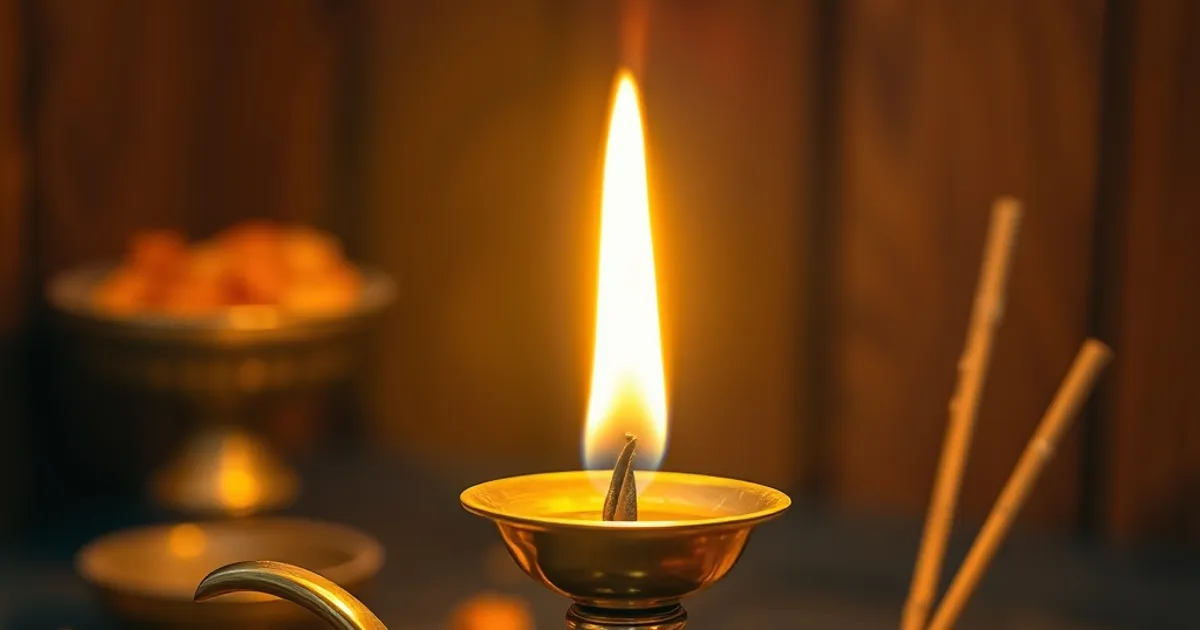
In practice, the day starts early. Most families begin with a bath before sunrise and offer flowers, incense, and a lit deepam at the home altar. If a family has a personal guru or lineage teacher, this is the occasion for formal offerings. For parents whose children study classical bharatanatyam, Carnatic music, or Sanskrit, Guru Purnima is also the moment to present a dakshina or token of appreciation — the gesture carries real weight in the guru-shishya tradition.
The evening is social. Many Indian families in suburban communities like West Chester gather with friends for a shared vegetarian meal, bhajans, and sometimes a spiritual discourse. The full moon's brightness makes the evening ceremonial even without a formal venue. Fasting through the day and breaking it with a light, grain-free meal at moonrise is the traditional practice; many families adapt this with a partial fast that keeps them functional through work and school schedules.
Purnima on the same date reinforces the full-moon energy — those who observe Purnima vrat separately from Guru Purnima often combine both intentions into a single ritual arc on the 29th.
Ekadashi: Twice in Thirty Days
Two Ekadashi observances fall in this period — July 24 and August 8. The word means "eleven," referring to the eleventh day of the lunar fortnight, and it is one of the most frequently kept fasting days in the Vaishnava tradition. Devotees of Vishnu and Krishna observe it strictly; many other Hindu families follow a modified version.
The standard Ekadashi fast rules out grains and legumes entirely. In their place, sabudana (tapioca), potatoes, fruit, and dairy carry the day. Many Indian grocery stores in the greater Philadelphia and Chester County area stock sabudana khichdi ingredients throughout the year, but it is worth checking supplies a day or two ahead so you are not hunting for tapioca pearls on the morning of the fast. The fast breaks the following morning on Dwadashi, after sunrise.
For Indian and Desi families newer to the practice, a simplified Ekadashi — skipping grains, eating lightly, and setting aside thirty minutes for prayer or scripture — is a meaningful first step. Both the July 24 and August 8 dates fall midweek in 2026, so planning the grain-free evening meal in advance makes the day considerably smoother.
Pradosh Vrat: Three Chances to Observe
Pradosh Vrat appears three times in this stretch — July 26, July 27, and August 10. This concentration is somewhat unusual and gives Shiva devotees multiple opportunities over a short span. Pradosh is observed on the thirteenth day (Trayodashi) of the lunar fortnight and involves puja performed during the pradosh kala, the twilight window that opens roughly ninety minutes before sunset and closes thirty minutes after.
The ritual centers on Shiva-linga abhisheka — bathing the linga with milk, honey, or water while chanting the Shiva Panchakshara mantra. At home, a simple oil lamp, bilva leaves, and vibhuti (sacred ash) complete the setup. A panchang app calibrated to West Chester's zip code will give you the exact pradosh window for each date, since the timing shifts by location within the Eastern time zone.
The back-to-back dates of July 26 and July 27 are worth noting: both are Pradosh Vrat within the same lunar fortnight (Shukla Trayodashi), reflecting the lunar calendar's occasional overlap when a tithi spans the sunrise of two consecutive civil days. Many families observe just one of the two, choosing whichever date their panchang designates as primary for their tradition.
Sankashti Chaturthi and Amavasya
Sankashti Chaturthi on August 2 is kept by Ganesha devotees with a full-day fast that breaks only after the moon appears in the evening sky. The ritual includes prayers, modak or ladoo as naivedyam, and a reading of the Sankashti Stotra before the evening meal. The monthly nature of Sankashti means many families have a well-established routine for it, but first-time observers often find the moon-sighting element the most memorable aspect — stepping outside after sundown specifically to look for the moon before eating carries a quiet mindfulness that is hard to replicate indoors.
Amavasya on August 12 closes the window. The new moon is traditionally linked to ancestral rites: tarpan (water libations offered to departed ancestors), a visit to elder relatives, and the lighting of a lamp in memory of those who have passed. Some families prepare the favorite dish of a deceased grandparent as an offering. The day is inward-facing and contemplative by nature, distinct in character from the communal celebration of Guru Purnima two weeks earlier.
For Indian and Desi families in West Chester who maintain ancestral practices, Amavasya is the day to clear the altar, light a fresh lamp, and spend a quiet evening at home — phone off, screens down.
Insider Tip: The stretch from July 24 (Ekadashi) through July 29 (Guru Purnima 2026) is five consecutive days of observance. Treat it as a mini-season rather than isolated dates: set up the altar on the 23rd, keep fresh flowers and agarbatti stocked, and plan grain-free dinners for the fasting days. Breaking the Ekadashi fast on the 25th gives you energy going into the Pradosh Vrat evenings and the full-moon celebration on the 29th.
FAQ
Q: Are there organized Guru Purnima events in or near West Chester? A: Indian cultural organizations, temples, and yoga studios in Chester County and the broader Philadelphia suburbs often hold programs. Check community WhatsApp groups and temple bulletin boards in the weeks before July 29 for announcements specific to your area.
Q: What foods are permitted on Ekadashi? A: Fruits, dairy, nuts, sabudana, potatoes, and most roots are permitted. Grains (wheat, rice, corn), lentils, beans, and onion-garlic are generally avoided. Specific rules vary by tradition and family practice, so consult your family's panchang or tradition for the definitive list.
Q: Does Pradosh Vrat timing vary by location? A: Yes. The pradosh kala is tied to local sunset time, so West Chester's window will differ from cities further west. Use a panchang app set to your zip code for accuracy on each of the three dates.
Q: Is Amavasya appropriate to observe if one is far from family elders? A: Absolutely. Ancestral remembrance on Amavasya can be done alone at home with a lamp, a glass of water, and a moment of reflection. The practice does not require a temple or group participation — the intention matters most.
Bottom Line
For Indian and Desi families in West Chester, the calendar from late July through mid-August is unusually dense with meaning. Guru Purnima 2026 on July 29 is the month's undeniable highlight, flanked by two Ekadashi fasting days, three Pradosh Vrat evenings, Sankashti Chaturthi, and the reflective close of Amavasya on August 12. Knowing the dates in advance and preparing the home altar once lets you move through the whole sequence with intention rather than scrambling each time. The full moon on July 29 is your anchor point — plan backward from there.