
Culture, Recognition, and Heritage: Artesia's Desi Community Makes Its Mark
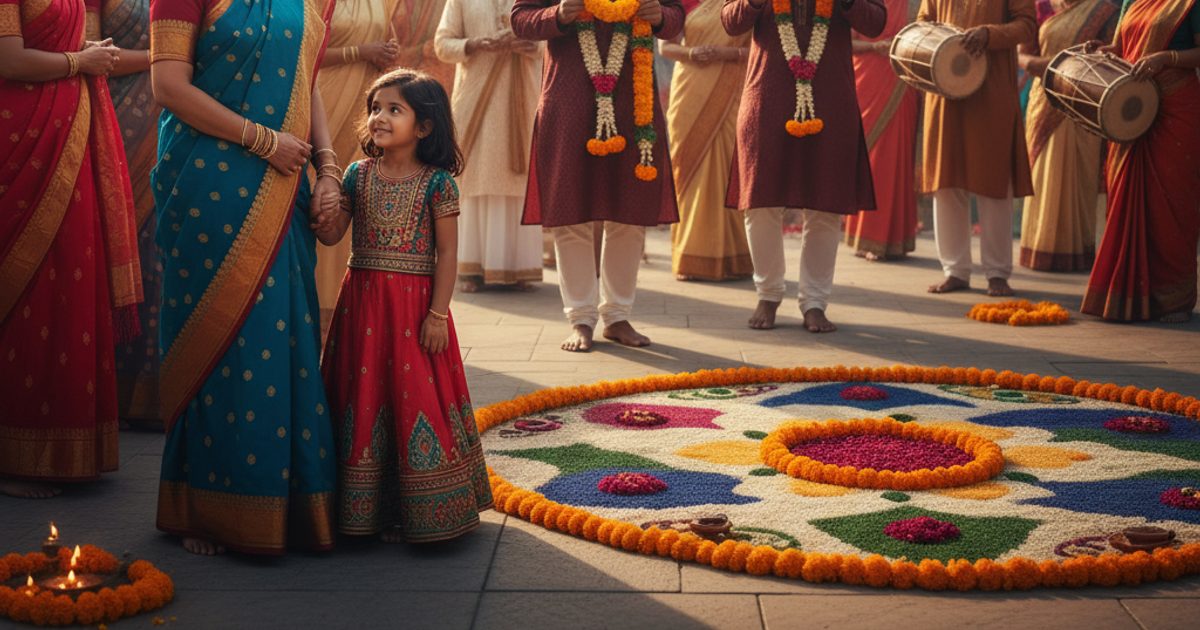
Artesia has long served as Southern California's cultural heartbeat for the Indian diaspora, and recent stories of recognition and revival show that its influence continues to grow in remarkable directions. Whether through formal civic honors or the sound of a dhol on a college campus, the community's cultural pride is alive and expanding.
🏅 Artesia City Council Honours Indian Cultural Philanthropist Sundeep Bhutoria
The City of Artesia formally recognized Sundeep Bhutoria, a cultural activist and Managing Trustee of the Prabha Khaitan Foundation, with a Certificate of Recognition during his visit to the United States for the Grammy Awards in Los Angeles. The certificate was presented by Artesia Council Member Zeel Ahir at a special dinner that brought together members of the Indian diaspora and representatives of various California organizations, with the Consul General of India in Los Angeles also in attendance. The honor was conferred in appreciation of Bhutoria's long-standing contributions to the promotion of Indian art, culture, and literature on both national and international platforms. Bhutoria expressed surprise and gratitude, noting that the recognition reaffirmed the growing global relevance of Indian cultural engagement and the vital role the diaspora plays in strengthening those ties. [3]
🎵 Punjabi Music Becomes a Bridge to Heritage for South Asian Students at LA Colleges
A Los Angeles Times feature explores how Punjabi music is serving as a powerful gateway for second-generation South Asian students at Los Angeles-area college campuses to reconnect with cultural traditions that were often kept at a distance during their upbringing. For many young members of the diaspora — including those with roots in communities like Artesia — the music offers an accessible, joyful entry point into a heritage that may not have been openly discussed or celebrated at home. The piece highlights how student organizations and campus events are creating new spaces where Punjabi musical traditions can be explored, shared, and claimed as a living part of identity. The trend reflects a broader generational shift in how South Asian American youth are choosing to engage with and express their cultural backgrounds. [2]
Sources: [3] Business Standard · [2] Los Angeles Times