
Desi Concerts & Cultural Shows Coming to Baltimore
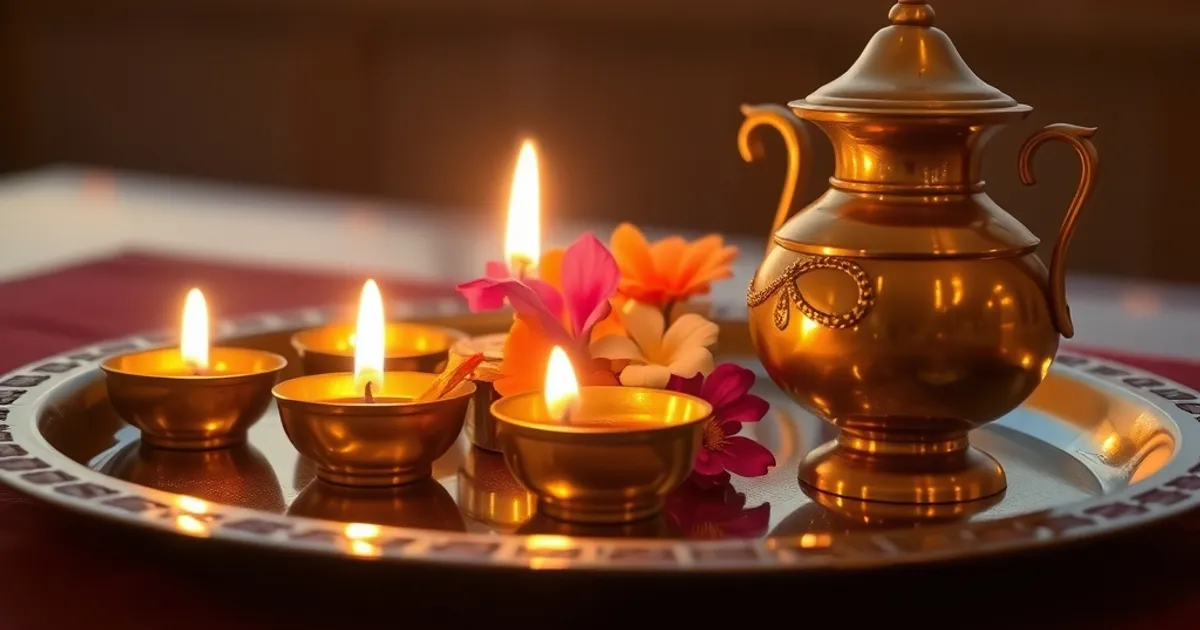
Upcoming Hindu Festivals & Puja Dates in Baltimore (July–August 2026)
TL;DR
- Baltimore's Desi community enters a spiritually active stretch from late July through mid-August 2026 🙏
- Guru Purnima 2026 on July 29 is one of the most significant full moon observances of the Hindu calendar 🌕
- Sankashti Chaturthi on August 2 brings the monthly Ganesha fast that anchors many households' puja routines ✅
- Nag Panchami 2026 on August 17 marks one of the older seasonal observances with deep agricultural and devotional roots 🐍
- The full window — Pradosh Vrat, Purnima, Ekadashi, Amavasya, and more — gives the community a continuous rhythm of observance 🪔
Baltimore, the Hindu Calendar, and a Community That Plans Around It
Baltimore's Indian and South Asian community has built a meaningful presence across the metro area — in neighborhoods, temples, cultural organizations, and professional networks that collectively form a living Desi ecosystem in Maryland. One of the quieter but most consistent expressions of that community's identity is the Hindu festival calendar: the recurring rhythm of vrat, puja, and celebration that structures the months for hundreds of households across the Baltimore area.
The July–August 2026 window is one of the more eventful stretches of the Hindu calendar. Eight observances fall between July 27 and August 17 — a concentrated run of fasts, full-moon nights, and seasonal festivals that give the community repeated touchpoints for gathering, prayer, and tradition. For families managing school schedules, work calendars, and social commitments in an American city, knowing these dates in advance is genuinely useful.
Guru Purnima 2026 and Purnima: The Full Moon of Gratitude
July 29 carries double significance this year. It is the date of both the monthly Purnima — the full moon that marks the completion of the lunar cycle — and Guru Purnima 2026, the annual observance dedicated to honoring teachers, mentors, and spiritual guides.
Guru Purnima falls on the full moon of the Hindu month of Ashadha and is one of the most widely observed days on the Hindu calendar. Its significance crosses sectarian lines: it is observed by Hindus, Buddhists, and Jains, and its meaning extends from formal spiritual guru-disciple relationships to the broader gratitude owed to anyone who has shared knowledge. In Baltimore, Guru Purnima 2026 typically brings temple programs, discourse events, and community gatherings where the day's meaning is reflected upon collectively.
For families with children, Guru Purnima is also an opportunity to frame the concept of gratitude toward teachers — school teachers included — in a cultural context that many Desi parents find valuable for raising children between two traditions.
The Purnima itself is observed with fasting, moonrise prayers, and the lighting of lamps. The timing of moonrise on July 29 is worth noting in advance for those who observe the full puja sequence.
Pradosh Vrat: Twice Monthly, Twice as Significant
Pradosh Vrat appears twice in this window — on July 27 and again on August 10. This bimonthly fast, observed on the thirteenth day of each lunar fortnight, is dedicated to Lord Shiva and Goddess Parvati. The vrat is typically kept during the pradosh kaal, the twilight period before sunset, when prayers and abhishek are performed.
The twice-monthly recurrence makes Pradosh Vrat one of the more frequently observed fasts among Shiva devotees in Baltimore's Hindu community. Many households build the practice into their regular schedule — which is precisely the point. The consistency of the vrat practice is itself a form of devotion.
Insider Tip: Baltimore's Hindu temples often hold special Pradosh Vrat programs during the evening twilight hours. If your household observes this vrat, coordinating with your local mandir in advance of both the July 27 and August 10 dates ensures you know about any group abhishek or puja programs that may be running. Community observance adds a dimension to these practices that home puja alone cannot replicate.
Sankashti Chaturthi: Ganesha's Monthly Fast
Sankashti Chaturthi falls on August 2 this cycle. This is the monthly fast observed on the fourth day of the dark fortnight, dedicated to Lord Ganesha. The fast is kept through the day and broken after moonrise, following the sighting of the moon and the recitation of the Sankashti Vrat katha.
For many Desi households in Baltimore, Sankashti Chaturthi is the most regularly observed monthly fast outside of Pradosh Vrat. Ganesha's role as the remover of obstacles makes the Chaturthi observance particularly meaningful for families navigating career transitions, children beginning new school years, or households facing change — circumstances that resonate with immigrant and first-generation communities who understand that starting over is something Ganesha's blessing is specifically invoked for.
Ekadashi and Amavasya: Fasting and the New Moon
Ekadashi on August 8 is the eleventh day of the lunar fortnight, observed as a fast dedicated to Lord Vishnu. Among Vaishnava households in Baltimore, Ekadashi is a primary monthly observance — grain is avoided, and many devotees observe a full fast or partial fast through the day. The practice is understood to cleanse both body and mind, and in Baltimore's Vaishnava community, the day often includes temple visits and collective recitation of Vishnu Sahasranama or other texts.
Amavasya on August 12 marks the new moon — the darkest night of the lunar cycle. Amavasya carries significance for ancestral observances: pitru tarpan, shraddha rituals, and prayers for deceased family members are traditionally performed on this day. For Desi families in Baltimore, the August Amavasya may be the occasion for calling family members across time zones, for setting aside time to remember those who came before, and for the particular quietness that new moon days carry in Hindu households.
Nag Panchami 2026: Connecting to an Ancient Seasonal Tradition
Nag Panchami 2026 arrives on August 17, falling on the fifth day of the bright fortnight in the month of Shravan. The festival honors the serpent deity and is one of the older seasonal observances in the Hindu calendar — its origins predate formal temple worship and connect to the agricultural rhythms of the subcontinent, where the monsoon season and its associated creatures held deep cultural significance.
In Baltimore's Desi community, Nag Panchami 2026 is observed with puja at home and in temples, with the offering of milk to serpent images or idols. For families from Maharashtra and South India in particular, Nag Panchami carries strong regional significance and is often observed with practices specific to their home states. The festival is also an opportunity for cultural transmission: explaining to younger generations why this observance exists and what it has meant across centuries of Hindu life connects children in Maryland to something much older than the suburb they're growing up in.
Planning Your Observance Calendar for Late July–August
The full sequence of observances from July 27 through August 17 is worth mapping out at the start of the month:
- July 27 — Pradosh Vrat
- July 29 — Guru Purnima 2026 / Purnima
- August 2 — Sankashti Chaturthi
- August 8 — Ekadashi
- August 10 — Pradosh Vrat
- August 12 — Amavasya
- August 17 — Nag Panchami 2026
For Baltimore families balancing American school-year prep and summer social calendars, this concentration of dates means August in particular will ask for some advance coordination — especially if temple programs for Nag Panchami 2026 or Sankashti Chaturthi require attendance during weekday evenings.
FAQ
Are these observances celebrated at Baltimore-area temples? Yes. The Baltimore metro has several Hindu temples serving different regional and sectarian communities. Most will hold programs for Guru Purnima 2026, Sankashti Chaturthi, and Nag Panchami 2026. Contact your mandir directly for specific program schedules.
Do all Hindu households observe every one of these dates? Not all observances apply equally across all households and traditions. Pradosh Vrat and Sankashti Chaturthi have very broad followings. Amavasya is particularly significant for those with active pitru puja practices. Ekadashi is especially important in Vaishnava households. Each family observes according to their regional tradition and personal practice.
Is Guru Purnima 2026 a public holiday? No. It is not a public holiday in the United States. Observance is personal and community-based — temple programs and household puja are how it is marked in Baltimore.
What is the significance of Shravan month for these observances? Several of the August dates fall within Shravan, the holiest month in the Hindu calendar for Shiva devotees. Pradosh Vrat on August 10, Amavasya on August 12, and Nag Panchami 2026 on August 17 all carry added significance when they fall in Shravan.
Bottom Line
The late July and August 2026 Hindu calendar gives Baltimore's Desi community a rich and varied schedule of observance — from the gratitude and spiritual depth of Guru Purnima 2026 on July 29, to the Ganesha fast of Sankashti Chaturthi on August 2, to the ancestral significance of Amavasya and the seasonal tradition of Nag Panchami 2026 on August 17. For families and individuals who organize their year around the Hindu calendar, this window is one of the most active of 2026. Mark the dates, coordinate with your temple, and plan around them — the community calendar in Baltimore is well worth following closely.