
Best Temples & Mandirs in Bhubaneswar (2026)
TL;DR
- 🏛 Bhubaneswar holds more than 400 temples — a density found almost nowhere else in the country
- ⭐ Lord Lingaraj Temple is the city's spiritual anchor, drawing pilgrims throughout the year
- 🕌 Ananta Vasudeva Temple stands apart as a rare Vaishnava shrine in a landscape dominated by Shaiva worship
- 🌿 Smaller sites like Brahmeswar Temple and Kapilesvara Temple reward visitors who walk beyond the main pilgrimage circuit
- 📅 Early morning is the quietest and most atmospheric time across every temple in the old city
What Makes Bhubaneswar a Temple City
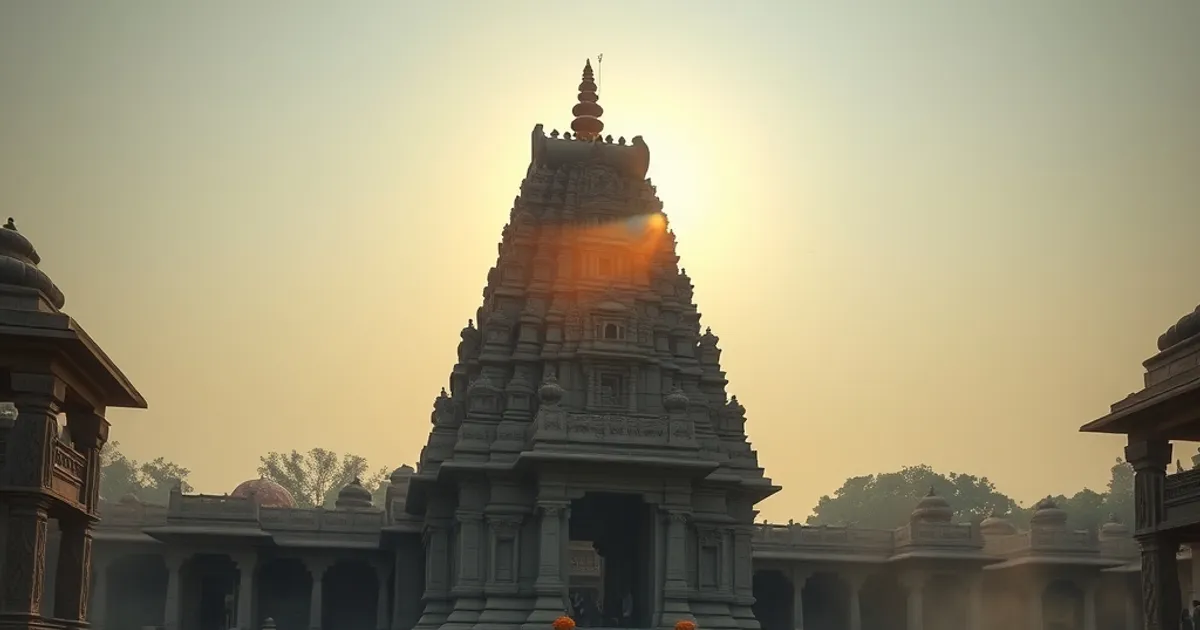
Bhubaneswar earned its reputation as a city of temples not through branding but through sheer accumulation. Centuries of patronage from the Somavamshi and Ganga dynasties left the city with an extraordinary concentration of stone shrines. Many date from the 7th to 13th centuries CE, built in the Kalinga architectural style — a regional variant of Nagara temple architecture distinguished by its curvilinear shikhara and intricate stone carvings.
These are not museums. They are living places of worship where priests conduct multiple puja sessions daily, garlands of marigold are exchanged for prasad, and temple bells set the rhythm of the neighbourhood. Visiting them means entering a functioning devotional world.
The Major Temples
Lord Lingaraj Temple
Lingaraj Temple (also recorded as Lingaraja Temple) is the largest and most important temple in Bhubaneswar. Dedicated to Shiva as Lingaraj — "lord of the linga" — it rises approximately 55 metres above the surrounding old city. Construction is generally attributed to the Somavamshi king Yayati I around the 11th century, though the complex shows evidence of earlier structures and later additions.
The temple compound contains around 150 subsidiary shrines. The main sanctum houses a swayambhu linga known as Harihara, a manifestation of both Shiva and Vishnu — an unusual theological combination that explains why both Shaiva and Vaishnava pilgrims visit. The outer compound is accessible to all; the inner sanctum is restricted to Hindus.
Ananta Vasudeva Temple
Ananta Vasudeva Temple (also referred to as Ananta Basudeva Temple) occupies a spot beside the Bindu Sagar tank. Founded in the 13th century, it is the only major Vaishnava temple among Bhubaneswar's ancient shrines, dedicated to Vishnu as Krishna. The presiding deities are Krishna, Balarama, and Subhadra — the same divine trio worshipped at Puri's Jagannath Temple.
The temple kitchen is well known locally for the mahaprasad distributed to devotees, and the ritual calendar is among the best preserved of any ancient site in the city.
Brahmeswar Temple
Brahmeswar Temple (also spelled Brahmeswara Temple) sits in a quieter part of the old city. Built in the 9th century, it displays some of the finest narrative carvings on any temple in Odisha — panels that tell stories from the Puranas alongside scenes of daily medieval life. The compound follows a chaturanga pitha plan, with four subsidiary shrines at the corners, a layout that predates many more famous temple complexes elsewhere in the country.
Bhaskareswar Temple
Bhaskareswar Temple (Bhaskaraswar temple in local usage) is dedicated to Surya, the sun god, though a Shiva linga now occupies the main sanctum — a historical shift common to many Odishan shrines. The structure is notable for a large sandstone linga that reportedly stands to the full height of the temple interior. Far fewer visitors come here compared to Lingaraj, which makes it easier to spend time and speak with the priests.
Kapilesvara Temple
Kapilesvara Temple (also listed as Kapilesvara Siva Temple) is dedicated to Shiva as Kapilesvara. The temple stands near the Kedar Gauri area and sees a steady local congregation but minimal tourist traffic. For anyone interested in how a working neighbourhood temple functions day to day — the rhythms of morning abhisheka, the distribution of vibhuti and sandal paste — Kapilesvara offers that without crowds.
Yameswar Temple
Yameswar Temple (also Yameshwar Temple) is dedicated to Yama, the god associated with death and dharma. Temples explicitly dedicated to Yama are uncommon across the country, which makes this one particularly unusual. It draws a specific set of devotees: those performing ancestral rites and those seeking relief from particular astrological afflictions.
Other Sites Worth Your Time
Mahakala-Mahakali Temple serves both Shaiva and Shakta devotees and maintains an active festival calendar. Bharati Matha (Bharati Matha Temple) is a monastic institution rather than a purely public temple, but it plays an important role in the intellectual and spiritual life of the city. Somnath Temple, located on SH-13 Jatni-Pipili Road, marks the outer edge of Bhubaneswar's temple geography. Sambhunath Shiv Temple in Sundarpur is a neighbourhood fixture that draws a steady local following without the crowds of the larger sites.
Planning Your Visit
Dress code and access: Most temples require covered shoulders and legs. Footwear is removed at the compound entrance. Some inner sanctums restrict entry to Hindus; signs usually indicate this clearly.
Time of day: The window between morning puja (roughly 6–8am) and the midday ritual is the quietest. Evening puja draws the largest local crowds and is the most atmospheric if you want to experience the full sensory environment — lamps, bells, chanting, and the smell of camphor and incense together.
Sequence: A practical walking circuit covers Lingaraj, then Ananta Vasudeva Temple near Bindu Sagar, followed by Brahmeswar Temple and Bhaskareswar Temple on the way back. Kapilesvara Temple and Yameswar Temple can be added as extensions for a full day.
Insider Tip: The area around Bindu Sagar tank on a full moon evening brings together nearly every temple in the old city in a single soundscape. Priests at dozens of shrines conduct evening aarti simultaneously. You do not need to enter any temple — standing near the tank's ghats during that hour is an experience on its own.
FAQ
Are non-Hindus allowed into Bhubaneswar's temples? Outer compounds of most temples are open to all visitors. Inner sanctums are typically restricted to Hindus. Lingaraj Temple is the most strictly observed on this point.
Is a guide necessary? Not strictly necessary, but a local guide adds context to the carvings and rituals at Brahmeswar Temple and Bhaskareswar Temple that would otherwise require prior knowledge of Odishan iconography to appreciate fully.
What is the best season to visit? October through March avoids the monsoon and the intense summer heat. The Shivaratri festival at Lingaraj Temple draws enormous crowds and is either the best or worst time depending on your preference for solitude versus spectacle.
Can I photograph inside the temples? Photography rules vary by site. In most cases, photography inside the sanctum or of the main deity is not permitted. Ask before raising your camera.
Bottom Line
Bhubaneswar's temples are not a side attraction — they are the reason the city exists. Lord Lingaraj Temple anchors the pilgrimage geography, but the real reward comes from spending enough time to examine Brahmeswar Temple's carvings, sit by Ananta Vasudeva Temple near Bindu Sagar, and slip into the unhurried atmosphere of Kapilesvara Temple or Yameswar Temple on an ordinary morning. Bhaskareswar Temple and Sambhunath Shiv Temple add depth to any visit for those willing to walk a little further from the main circuit. The city does not need to be romanticised — the density and continuity of living worship here speaks for itself.