
Best Temples & Mandirs in Coimbatore (2026)
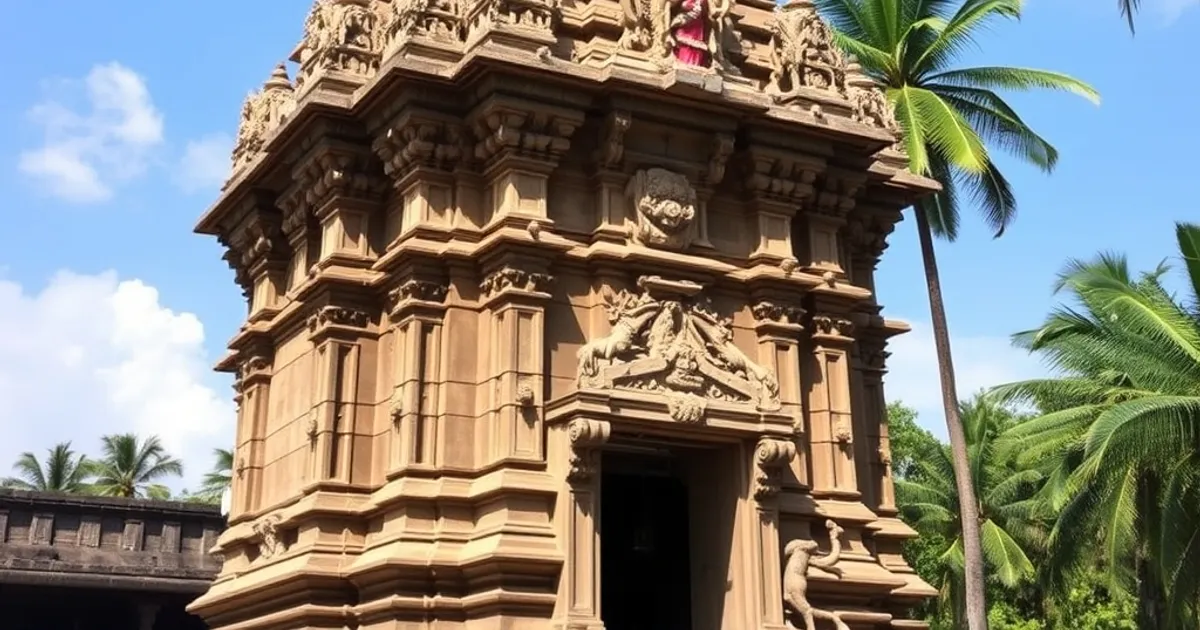
Best Temples & Mandirs in Coimbatore (2026)
TL;DR
- 🛕 Coimbatore's temple landscape spans Mariamman, Vinayagar, Murugan, and Perumal traditions within one navigable city
- 📿 Neighbourhood clusters in Kuniyamuthur and Pallivasal Street make multi-temple visits practical on foot
- 🌺 Idikarai Road hosts a distinct stretch of smaller shrines that attract daily devotees year-round
- 🗺️ Ganapathy Maanagar and Maruthi Nagar offer quieter neighbourhood temples less visited by outside pilgrims
- ✅ Fourteen temples listed here from the Desi.Net directory, ranging from major endowment-board shrines to intimate neighbourhood mandirs
Coimbatore and Its Temple Tradition
Coimbatore sits at the western edge of Tamil Nadu, and its religious landscape reflects the city's dual identity: a bustling industrial and educational hub that has never lost its deep devotional roots. Temples here are not tourist monuments — they are the structural backbone of neighbourhood life. Morning rituals, festival preparations, and community gatherings orbit around them.
The temples in this guide span several major deity traditions. Mariamman temples serve as protective mother-goddess shrines, typically associated with village-origin worship now embedded in urban neighbourhoods. Vinayagar (Ganesh) temples are often the first stop before any undertaking — prayers here precede business launches, exam seasons, and weddings. Murugan temples draw pilgrims for Karthigai and Vaikasi Visakam, while Perumal temples follow the Vaishnavite tradition and observe separate festival calendars. Knowing which tradition a temple follows helps you time your visit to coincide with the most active pooja sessions.
Mariamman Temples: Protection and Community
Mariamman worship is woven tightly into Coimbatore's older neighbourhoods. The most prominent names on the Desi.Net directory are Arulmigu Koniamman Temple and Koniamman Temple — two listings that may refer to the same major shrine complex or to closely associated temples sharing the deity's name. The "Arulmigu" prefix in Tamil temple names signals official recognition by the Hindu Religious and Charitable Endowments department, typically indicating an older, larger, and more formally administered institution.
Thandu Mariamman Temple is another Mariamman shrine listed in the directory. Mariamman temples like these tend to be most active during summer months, particularly around Aadi (July-August), when fire-walking rituals and kavadi observances draw large crowds and the surrounding streets take on a festival atmosphere.
Aram Valartha Mariamman in Kuniyamuthur and the mariamman temple on Pallivasal Street represent the neighbourhood-scale end of the spectrum — smaller, more intimate shrines that serve the immediate residential community rather than drawing city-wide pilgrimages. These are places where the priest likely knows the regulars by name, and the morning pooja has a quiet rhythm untouched by the larger festival calendar.
Vinayagar and Ganesh Shrines
Coimbatore has a dense population of Vinayagar temples, consistent with the Tamil tradition of seeking Ganesha's blessing before any major undertaking. The directory lists Arulmigu Munthi Vinayagar Temple and Arulmigu Gnana Vinayagar Temple — both carry the "Arulmigu" recognition that marks temples under formal endowment administration, with structured governance and a reliable year-round ritual calendar.
Bala Vinayagar Temple on Idikarai Road is a more localised shrine, set along a stretch that also hosts the Aravaan Temple. The Idikarai Road corridor makes a natural multi-temple walk: the proximity of Bala Vinayagar Temple and Aravaan Temple means a single visit can cover two distinct deity traditions without significant travel between them.
Sri Sarvamugoortha Ganapathy in Maruthi Nagar and Sri Balamurugan Temple in Ganapathy Maanagar round out the Vinayagar and Murugan clusters in the residential zones north of the city centre. These neighbourhood temples operate on tighter daily schedules and see the most consistent foot traffic from the surrounding streets rather than the broader metro population.
Murugan and Perumal Traditions
Bala Dhandayuthapani Swamy on Palakkad Main Road in Kuniyamuthur is a Murugan-form temple, with Dhandayuthapani being one of Murugan's most revered aspects — the ascetic form carrying the staff. This temple draws particular observance during Vaikasi Visakam and Skanda Sashti, the major Murugan festivals of the Tamil calendar. The Palakkad Main Road location puts it along a well-travelled arterial road with reliable access from across the western parts of the city.
Srinivasa Perumal in Kuniyamuthur represents the Vaishnavite tradition. Perumal temples in Tamil Nadu follow Sri Vaishnava practice and celebrate distinct festivals including Vaikunta Ekadasi and Brahmotsavam. The Kuniyamuthur location puts Srinivasa Perumal within walking distance of several other shrines in the same neighbourhood, making the area particularly productive for devotees who observe multiple traditions across a single morning.
The Kuniyamuthur Cluster
Kuniyamuthur deserves special attention as a neighbourhood with an unusually high concentration of temples relative to its size. Aram Valartha Mariamman, Bala Dhandayuthapani Swamy, and Srinivasa Perumal are all listed within this area, and the neighbourhood fabric means each is accessible without navigating arterial traffic. For visitors staying in or near Kuniyamuthur, a single morning can cover three distinct deity traditions — Mariamman, Murugan, and Perumal — each with its own aesthetic, ritual language, and festival cycle.
The Kuniyamuthur cluster is also less congested than temples in the city's commercial core, which can make the visit more contemplative and less logistically demanding during peak pilgrimage seasons like Karthigai or Panguni Uthiram.
Insider Tip
The sadachiamman temple and mariamman temple on Pallivasal Street form a back-to-back pair of neighbourhood shrines. These are the kind of temples with no queuing systems, no token counters, and no tourist infrastructure — just active neighbourhood worship at its most unfiltered. Show up before 8 a.m. or after 6 p.m. to catch the active pooja sessions with minimal crowds. Footwear should be left well before the entrance of each shrine, and a small offering from the nearby flower vendors is welcomed by convention at both locations.
FAQ
Are these temples open every day of the year? Most temples maintain daily pooja schedules, but hours can vary significantly by season, festival calendar, and administrative status. Checking with the temple management directly is the most reliable method.
Do I need to be Hindu to visit these temples? Most Tamil temples are open to all visitors who observe the basic conventions: remove footwear before entry, dress modestly, and be respectful of active religious observances.
What is the difference between a temple with "Arulmigu" in the name and one without? "Arulmigu" indicates the temple is administered under the Tamil Nadu Hindu Religious and Charitable Endowments department. This typically means formal governance, maintained records, and a more structured ritual calendar year-round.
When is the best time of year to visit Coimbatore's temples? The Tamil festival calendar is active year-round. Aadi (July-August) is particularly lively for Mariamman temples. Karthigai (November-December) draws significant observance at Murugan temples. Vaikunta Ekadasi (December-January) is the major event at Perumal temples.
Is photography allowed inside these temples? Policies vary. Many temples in Tamil Nadu prohibit photography inside the sanctum sanctorum. Some allow it in outer courtyards. Look for posted signs and follow the lead of the local devotees around you.
How should I dress for a temple visit in Coimbatore? Traditional attire — dhoti or full trousers for men, saree or salwar for women — is appreciated and sometimes required for entry into the inner sanctum. Conservative Western dress is generally acceptable in outer areas.
Bottom Line
Coimbatore's temple landscape is dense, varied, and genuinely active. From the major Arulmigu Koniamman Temple to the neighbourhood shrines of Pallivasal Street, from the Vinayagar cluster at Arulmigu Munthi Vinayagar Temple and Bala Vinayagar Temple to the Murugan devotion at Bala Dhandayuthapani Swamy and Srinivasa Perumal in Kuniyamuthur — the city offers a full spectrum of Tamil temple traditions within a navigable geography. The Kuniyamuthur cluster stands out for visit efficiency; the Idikarai Road stretch for intimate neighbourhood shrines at Aravaan Temple and Bala Vinayagar Temple; Pallivasal Street for back-to-back goddess worship. Whatever your tradition or intention, Coimbatore's temple fabric has a shrine that observes it.