
Janmashtami 2026 in Dhaka: Events, Puja & Where to Celebrate
Janmashtami 2026 in Dhaka: Events, Puja & Where to Celebrate
Janmashtami — the birthday of Lord Krishna — is one of the most joyful nights of the Hindu calendar, and Dhaka knows how to mark it with genuine devotion and colour. From the old neighbourhoods of Shankhari Bazar to the quieter temple courtyards of Rampura and Badda, the city comes alive after midnight with kirtan, conch shells, and the sweet smell of bhog. Whether you are a lifelong devotee or someone who simply wants to experience the warmth of the occasion, this guide has everything you need for Janmashtami 2026 in Dhaka.
TL;DR
- 🗓️ Krishna Janmashtami 2026 falls on Friday, 4 September 2026 — mark your calendar now.
- 🛕 Several Hindu temples across Dhaka hold overnight puja, kirtan, and prasad distribution; key ones are listed below.
- 🌙 The main celebration happens after midnight, when Krishna's birth is traditionally observed — plan to stay late.
- 🎉 Raksha Bandhan on 28 August and Nag Panchami on 17 August warm up the festive season leading into Janmashtami.
- 🙏 Fasting (upvas), devotional singing, and the Dahi Handi tradition are all part of the experience — read on for how to join in.
When Is Janmashtami 2026 in Dhaka?
Krishna Janmashtami 2026 lands on Friday, 4 September. The festival marks the birth of Lord Krishna on the eighth day (Ashtami) of the dark fortnight of the month of Bhadra. Because Krishna is said to have been born at midnight, the most sacred moment of the celebration — called Nishita Puja — takes place around 12 AM on the night of 4–5 September. Devotees fast through the day, break the fast only after midnight prayers, and then share prasad with family and neighbours.
If you want to ease into the festive season gradually, there is a lovely run of observances beforehand. Nag Panchami falls on 17 August, Raksha Bandhan on 28 August, and Ekadashi on 9 August — each one its own quiet celebration at temples around the city.
Hindu Temples in Dhaka Worth Visiting for Janmashtami
Dhaka is home to a rich network of Hindu temples, and several hold multi-hour Janmashtami programmes that are open to devotees. Here are verified temples from across the city:
Bashbari Sarbojonin Shri Shri Radha-Gobindo Mondir on Bash Bari Road, Block D — the name itself tells you this is a Radha-Krishna temple, making it a particularly meaningful place to observe Krishna's birthday.
Sri Sri Gouranga Mohaprabhu Temple in Ulon Das Para, West Rampura, carries the Vaishnava tradition associated closely with Lord Krishna. Expect deep kirtan sessions and communal bhog here.
Sri Sri Raksha Kali Mata Temple on Shankhari Bazar Road is one of the most atmospheric locations in old Dhaka — the narrow lanes and terracotta-coloured buildings create a setting that feels like it has been holding pujas for centuries.
Gouri Moth Mondir on Narinda Road and the Tati Bazar Shib Mondir on Rakhal Chandra Basak Lane in Tatibazar are two more old-city addresses worth noting, both in neighbourhoods with dense Hindu communities that decorate their streets during major festivals.
Sri Sri Mohadeb Ashram and Kali Mondir in Nimtola, East Merul Badda serves devotees in the Badda corridor, while the Mirpur Central Temple on Labh Road covers the large residential population in Mirpur.
Reach out to each temple directly or through community contacts in advance to confirm their Janmashtami programme, as schedules and timings can vary year to year.
What Happens During Janmashtami Puja
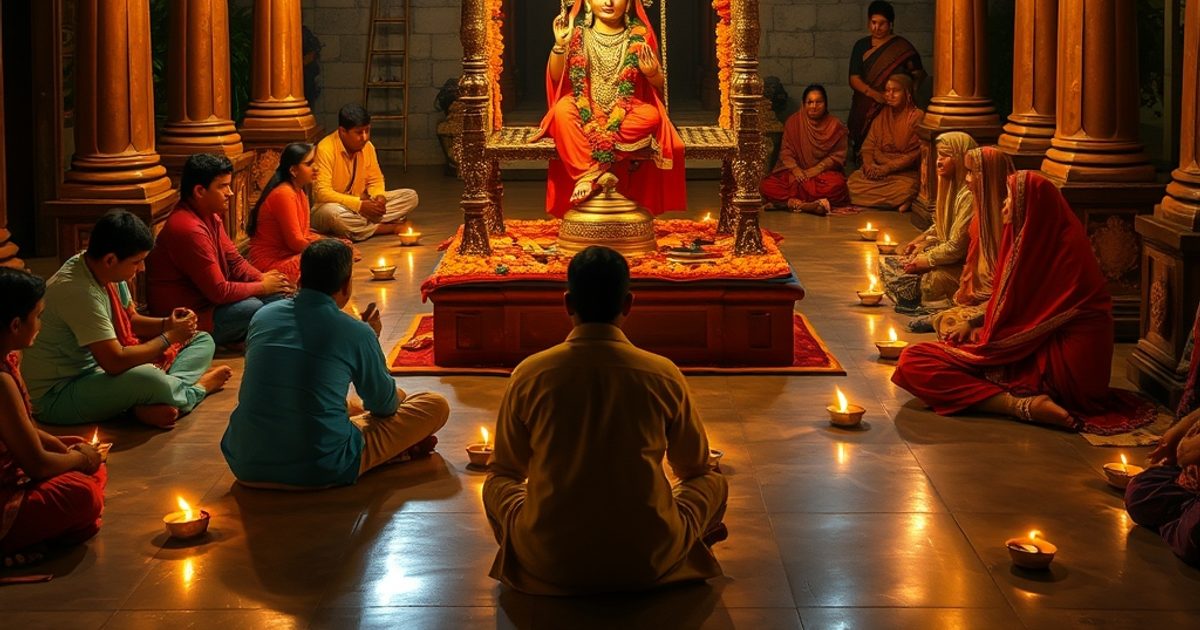
A traditional Janmashtami observance in Dhaka unfolds across an entire day and night. Through the daytime, devotees who are fasting visit the temple, listen to readings from the Bhagavata Purana, and join in singing bhajans and kirtans. Temples are decorated with flowers, banana leaves, and sometimes small swings (jhulas) where an idol of baby Krishna is placed.
As midnight approaches, the energy lifts noticeably. Priests perform the main abhishek — a ritual bathing of the Krishna idol with milk, honey, curd, and water — while the congregation sings. The conch is blown at the exact moment of birth, and a wave of joy moves through the gathered crowd. Prasad, typically including panchamrit (the five sacred liquids used in the abhishek), sweets, and fruits, is distributed after the ceremony.
Many families also observe a partial or full fast, consuming only fruits, milk, and sabudana (tapioca) dishes until after midnight.
The Dahi Handi Tradition
Alongside temple puja, the Dahi Handi celebration is a beloved community event associated with Janmashtami. It re-enacts the childhood mischief of young Krishna, who would form human pyramids with his friends to reach and break pots of butter and curd hung high above the ground. In Dhaka's more active Hindu neighbourhoods — particularly in areas like Shankhari Bazar and Tatibazar — you may find informal Dahi Handi setups drawing enthusiastic crowds, especially young people. It is participatory, energetic, and genuinely fun to watch even if you do not climb.
💡 Desi Insider Tip: If you plan to attend midnight puja at one of the old-city temples such as the Shankhari Bazar temple or those near Tatibazar, go by rickshaw and arrive by 10:30 PM. The lanes fill up quickly, the atmosphere is electric with oil lamps and kirtan, and leaving early means missing the best part — the midnight birth moment itself. Carry a small cloth to sit on, bring your own water bottle, and leave your shoes somewhere you can find them easily.
Festival Season Context: What Comes Before and After
Janmashtami does not arrive in isolation — it sits within a rich stretch of the Hindu calendar. The weeks leading up to it in Dhaka include:
- Ekadashi on 9 August — a fasting day observed by many Vaishnava households
- Nag Panchami on 17 August — worship of the serpent deity, especially observed by women
- Raksha Bandhan on 28 August — the sibling-bonding festival of tying rakhi threads
And shortly after Janmashtami, Ganesh Chaturthi arrives on 14 September, keeping the celebratory energy going well into the month.
This makes late August through mid-September a genuinely festive period in Dhaka. Community halls, temple courtyards, and residential neighbourhoods all carry that feeling of something special in the air.
Practical Tips for a Smooth Celebration
A few things that make the night go better:
Dress comfortably and modestly. Temple environments call for covered shoulders and legs. Loose cotton works beautifully given the September humidity in Dhaka.
Plan for a late night. The key puja does not begin until close to midnight. If you are coming with children or elderly family members, check whether the temple holds an earlier community programme that may be more manageable.
Arrive with an offering if you wish. Flowers, sweets, or a small packet of mishti from a local sweet shop are always welcome. Many temples also accept donations toward the prasad distribution.
Stay connected with your community network. Neighbourhood puja committees and community groups typically circulate event programmes closer to the date — these will have the most accurate timings and any specific instructions for the year's celebration.
FAQ
When exactly is Janmashtami 2026 in Dhaka? Krishna Janmashtami 2026 is on Friday, 4 September 2026. The midnight puja — the most sacred moment — falls in the early hours of 5 September.
Which temples in Dhaka celebrate Janmashtami? Temples across the city hold programmes, including the Bashbari Sarbojonin Shri Shri Radha-Gobindo Mondir, Sri Sri Gouranga Mohaprabhu Temple in West Rampura, Sri Sri Raksha Kali Mata Temple in Shankhari Bazar, and several others listed in this guide. Contact them directly for specific event timings.
Do I need to fast on Janmashtami? Fasting is traditional but not mandatory for attendees. Devotees typically fast from sunrise until after midnight puja, then break the fast with prasad. You can attend temple celebrations without fasting.
Is Janmashtami a public holiday in Bangladesh? Yes, Janmashtami is a gazetted public holiday in Bangladesh, so most offices and institutions observe the day off.
What is the best way to experience Janmashtami in old Dhaka? Head to the Shankhari Bazar and Tatibazar area in the evening. The dense lanes, decorated temples, and communal kirtan sessions make this one of the most immersive Janmashtami experiences in the city. Arrive early, be patient with the crowds, and stay for midnight.
The Bottom Line
Janmashtami 2026 on 4 September is shaping up to be another beautiful night across Dhaka's temples and neighbourhoods. Whether you visit the Radha-Krishna temple in Bash Bari, join the midnight kirtan in old Dhaka, or simply share sweets with neighbours, the festival is an invitation to slow down and celebrate together. The weeks surrounding it — with Raksha Bandhan, Nag Panchami, and Ganesh Chaturthi all nearby — make this one of the richest stretches on the community calendar.
Keep an eye on Desi.Net for updated event listings, community announcements, and more guides to celebrating every festival the Dhaka way.