
Ram Statue Arrest Sparks Protests, Airlines Plan Billion-Dollar Expansion, and Culture Thrives in Dhaka
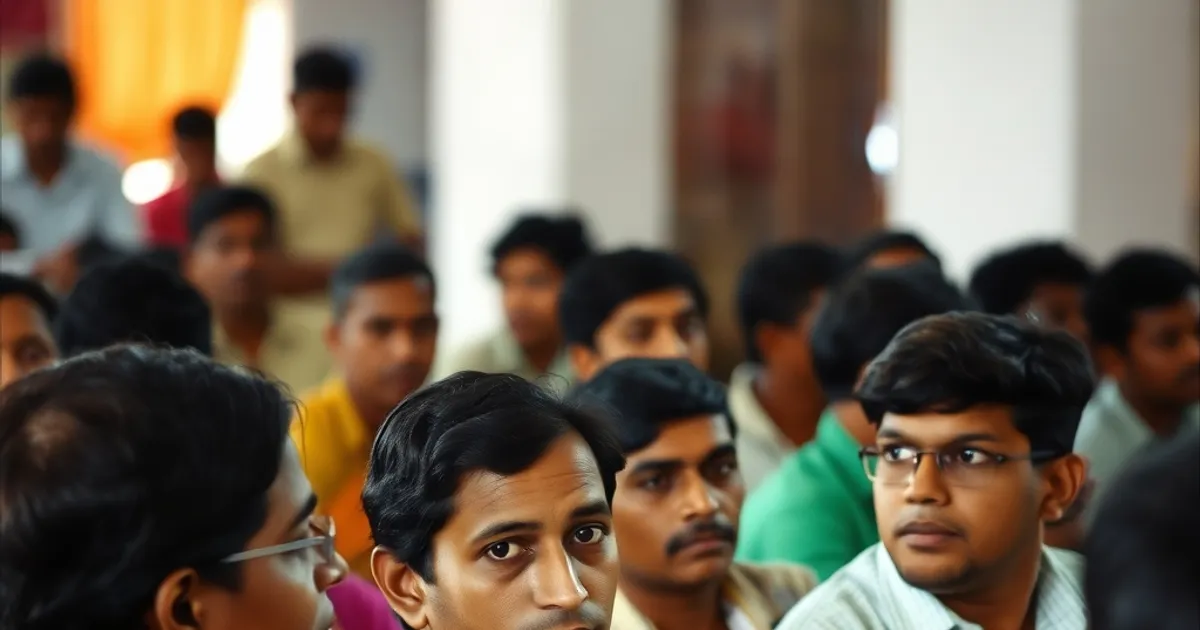
Dhaka is navigating a complex and consequential week. Religious minority rights protesters took to the streets over the arrest of a Hindu man building an ambitious Ram statue; Bangladesh's airlines announced their most ambitious fleet expansion in history ahead of the new third terminal's opening; monsoon cultural programming united music lovers at Shravan Sandhya; government officials pressed the ILO chief to close a longstanding labor complaint; and an international medical mission arrived to provide free cleft surgeries to patients in need.
Protests Erupt After Hindu Man Arrested Over 81-Foot Ram Statue Construction
Demonstrations broke out in Dhaka after authorities arrested a Hindu man who had been building an 81-foot statue of Lord Ram, drawing sharp and immediate condemnation from religious minority leaders, civil society advocates, and human rights organizations who described the arrest as an assault on minority religious expression. The Times of India reported on the scale of the protests, noting that minority community representatives portrayed the incident as symptomatic of a broader environment in which Bangladesh's Hindu, Buddhist, and Christian populations face disproportionate scrutiny and constraint on the practice and outward expression of their faith. An 81-foot Ram statue would have been a striking and visible landmark representing a bold public assertion of Hindu cultural presence in a predominantly Muslim nation, and its construction reflected the aspirations of a community seeking greater recognition and dignity. Protesters called for the man's immediate release and urged the government to clarify its commitment to constitutional guarantees of religious freedom that apply equally to all citizens regardless of faith. Bangladesh's Hindu population, estimated at roughly eight to nine percent of the national total, has faced periodic episodes of violence and legal pressure that community advocates argue reflect structural vulnerabilities requiring stronger governmental protection and enforcement. The Dhaka protests were described as among the more visible and organized recent expressions of minority community grievance, drawing participants who demanded accountability from state institutions. [1]
🏢 Bangladesh Airlines Launch Biggest-Ever Billion-Dollar Fleet Expansion Before Third Terminal Opens
Bangladesh's domestic carriers are embarking on the most ambitious aviation expansion in the country's history, with aggregate investments exceeding one billion dollars in new aircraft procurement timed strategically to coincide with the approaching opening of Dhaka's new third terminal at Hazrat Shahjalal International Airport. The Business Standard reported that local airlines are positioning their fleets to absorb the surge in passenger throughput the new terminal is expected to generate, ensuring that expanded ground infrastructure translates into corresponding gains in flight capacity and route network growth. The third terminal, a flagship national infrastructure project years in development, will substantially increase the airport's annual capacity, creating opportunities for additional domestic connections and new international routes across Asia, the Middle East, Europe, and beyond. The airlines' coordinated expansion reflects robust underlying demand: Bangladesh's growing middle class is traveling by air with increasing frequency, remittance-linked movement between overseas Bangladeshi workers and their families sustains strong bilateral route demand, and export-driven business travel continues to rise. For carriers willing to invest ahead of the terminal's inauguration, the prize is early market share advantage before a reshuffled competitive landscape emerges. Analysts anticipate that the combined effect of expanded terminal infrastructure and enlarged fleets will establish Dhaka as a meaningfully more capable regional aviation hub capable of attracting additional international carriers seeking connections to South Asia. [3]
🎬 Shravan Sandhya Brings Monsoon Music and Cultural Unity to Dhaka
Music enthusiasts gathered across Dhaka for Shravan Sandhya, a seasonal cultural event celebrating the music, poetry, and emotional landscape of the Bengali month of Shravan — the heart of the monsoon season — through live performances that united audiences in appreciation of an artistic tradition stretching back centuries. United News of Bangladesh reported that the event brought together a diverse audience of music lovers through programming centered on the themes that Shravan has long inspired: the rhythmic percussion of rain on rooftops, the emotional textures of longing and reunion, the lush natural imagery of Bengal in full monsoon color. Shravan holds an especially cherished place in Bengali cultural consciousness, immortalized in the compositions of Rabindranath Tagore and countless subsequent poets and musicians who drew on its atmospheric richness to create some of the most beloved works in the Bengali literary and musical canon. Events like Shravan Sandhya sustain this seasonal cultural practice within an urban setting, giving Dhaka residents an opportunity to reconnect with a cultural calendar rooted in the natural world even as the pace of metropolitan life accelerates. Performers brought their own artistic interpretations to the monsoon themes, and the audience responded with the particular warmth that comes from shared cultural memory. The gathering underscored Dhaka's continued commitment to Bengali cultural programming as an essential expression of national identity during the monsoon months. [4]
🗳️ Bangladesh Urges ILO Chief to Close Article 26 Case, Cites Labor Reform Progress
Bangladeshi government officials used a high-level meeting with the director-general of the International Labour Organization to press formally for the closure of an Article 26 complaint filed against the country, presenting the nation's recent labor law reform record as evidence that the systemic concerns underlying the complaint have been substantially addressed. United News of Bangladesh reported that officials cited what they characterized as landmark improvements to Bangladesh's labor legal framework, including advances in workers' rights, union recognition procedures, occupational health standards, and workplace safety enforcement mechanisms. Article 26 of the ILO Constitution allows member states and workers' organizations to file formal complaints against nations alleged to be in violation of ratified international labor conventions, and its activation against Bangladesh has carried significant diplomatic and commercial sensitivity given the central role of the garment export sector in the national economy. The complaint's existence has been a reputational liability in relations with major European and North American apparel buyers, many of whom tie sourcing decisions to labor compliance benchmarks set by or aligned with international standards. A successful push to close the Article 26 case would strengthen Bangladesh's argument that it has made decisive, measurable progress since the period of labor rights failures that drew international condemnation. Government representatives underscored that continued engagement with the ILO demonstrates good faith, while the reform record they presented was intended to make the factual case that formal complaint proceedings are no longer warranted. [5]
🤝 International Medical Mission Arrives in Dhaka to Perform Free Cleft Lip and Palate Surgeries
An international humanitarian medical mission commenced operations in Dhaka, bringing volunteer surgeons, anesthesiologists, and nursing staff to provide free corrective procedures for children and adults living with cleft lip and palate conditions that have gone untreated due to the combined barriers of cost and scarcity of specialized surgical expertise in Bangladesh. United News of Bangladesh reported that the mission is partnering with Dhaka hospitals to conduct a series of operations during its deployment in the capital, with patients traveling from across the country to access care they could not otherwise afford or access. Cleft lip and palate are among the most common congenital conditions across South and Southeast Asia, and in Bangladesh many patients live for years or decades without corrective surgery, facing significant social stigma alongside functional challenges that affect nutrition, speech, and dental development in ways that compound over time. Medical missions of this kind pair international volunteer capacity with local medical institutions, delivering immediate benefit to patients while also fostering knowledge transfer and skills development among Bangladeshi practitioners who work alongside experienced visiting teams. For the families of patients — many of whom have taken substantial effort to reach Dhaka from rural areas — the procedures represent life-changing medical interventions that would otherwise remain financially out of reach. The mission's presence in Dhaka highlights the continuing importance of international humanitarian health partnerships in supplementing Bangladesh's public health system in areas requiring specialized surgical capacity. [7]
Sources: [1] The Times of India · [3] The Business Standard · [4] United News of Bangladesh · [5] United News of Bangladesh · [7] United News of Bangladesh