
Dubai Hindu Temples and Sikh Gurdwara Reopen as Indian Expat Survives Eight-Hour Beating-Heart Bypass
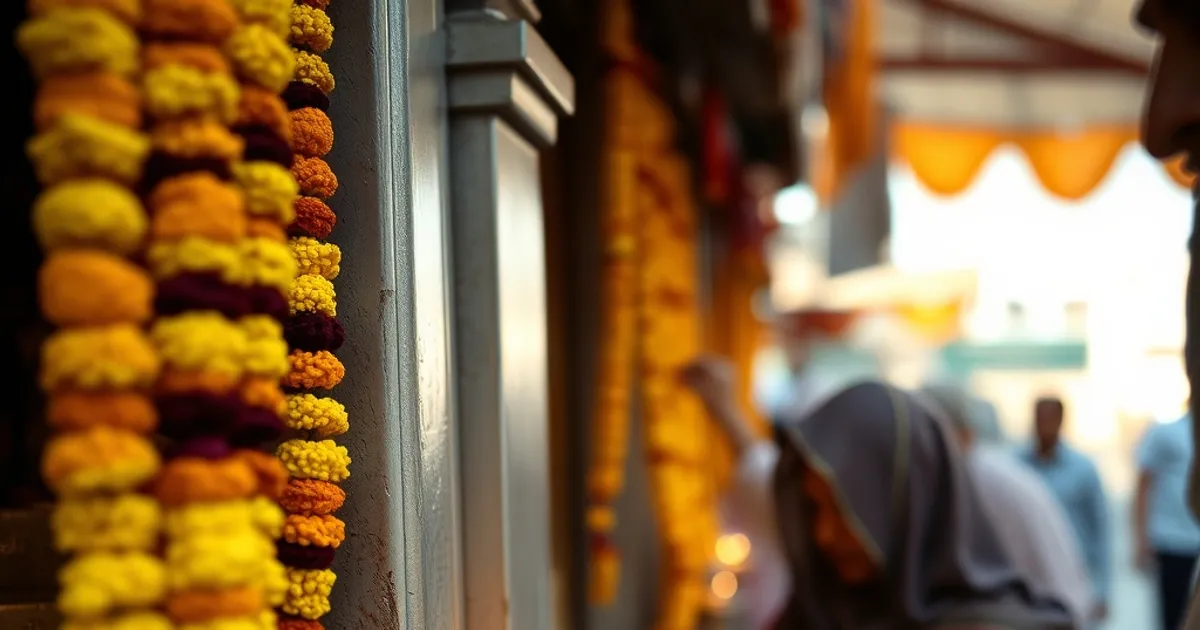
Two significant events mark this week for Dubai's South Asian expatriate community. Hindu temples and a Sikh gurdwara across the city welcomed worshippers back under a coordinated phased reopening following temporary safety and security closures. In a separate development, a 55-year-old Indian resident overcame a serious cardiac condition by undergoing a rare eight-hour bypass surgery performed on a beating heart at Aster Hospital in Al Qusais, recovering without any complications.
🪔 Dubai Hindu Temple, Shri Krishna Temple, and Sikh Gurdwara Reopen After April Safety Closures
A number of prominent places of worship across Dubai, including Hindu temples, a Sikh gurdwara, and a Christian church, reopened in phases between April 10 and April 12, 2026, restoring access to devotees who had been without services for more than a week. The temporary closures had been enacted beginning April 3 following precautionary safety and security instructions issued by authorities. The phased return involved each institution adopting specific guidelines and controlled procedures governing attendance, registration, and participation at their respective venues.
Dubai Hindu Temple opened its doors to worshippers beginning Friday, with visiting hours established between 6am and 6pm. The reopening allowed devotees to resume daily prayers and rituals that form a central part of religious life for thousands of Indian Hindu residents across the UAE. The temple management coordinated the return under the revised procedures approved by authorities for limited-access operations.
The Shri Krishna Temple Dubai announced the resumption of regular darshan beginning Saturday, April 11. Temple management confirmed that devotees would once again be able to participate in scheduled worship sessions following the closure period, reinstating the normal religious routines the congregation had observed before the temporary closure.
A Sikh gurdwara was also part of the phased reopening effort, along with a Christian church. Authorities approved limited access at the participating venues while worshippers were guided through revised processes designed to ensure safe and regulated operations. The coordinated return across multiple faith communities reflects the diverse religious landscape of Dubai and the central role that South Asian places of worship play in the daily lives of the city's large Indian and South Asian expatriate population. [5]
🤝 Indian Expat Santokh Singh Ajit Singh Survives Complex Eight-Hour Beating-Heart Bypass at Dubai Hospital
A 55-year-old Indian resident of the UAE received life-saving cardiac care in Dubai after experiencing chest pain that spread to both shoulders for nearly six days before seeking medical attention. Upon examination, doctors discovered severe blockages in several arteries supplying blood to his heart. Further tests confirmed advanced coronary artery disease with angina, a condition in which fatty deposits narrow the heart's arteries and restrict blood flow. The patient, Santokh Singh Ajit Singh, was also found to have hyperlipidaemia, commonly known as high cholesterol, which is a significant risk factor for heart disease. Physicians determined that immediate coronary artery bypass surgery was required.
On June 2, Santokh Singh underwent an eight-hour, five-vessel bypass procedure designated as CABG x5 at Aster Hospital in Al Qusais, Dubai. The surgical team carried out the entire procedure while the patient's heart continued to beat throughout, a significantly more demanding approach than conventional bypass surgery performed on a stopped heart. This beating-heart technique placed additional complexity on the operating team over the course of the eight-hour procedure.
The surgical team also completed 11 anastomoses during the operation. Anastomoses are precise surgical connections made between arteries and bypass grafts to restore blood flow to blocked portions of the heart. The unusually high number of these connections added substantially to the technical complexity of the surgery.
Unlike many bypass procedures that use veins harvested from the patient's leg, the surgeons in this case used only the patient's own arteries to create the necessary grafts. The patient recovered well following the procedure without any reported complications. [2]
Sources: [5] Hinduism Today · [2] Gulf News