
Houston South Asian Community Celebrates Record Mela, Civic Gains, and Professional Recognition
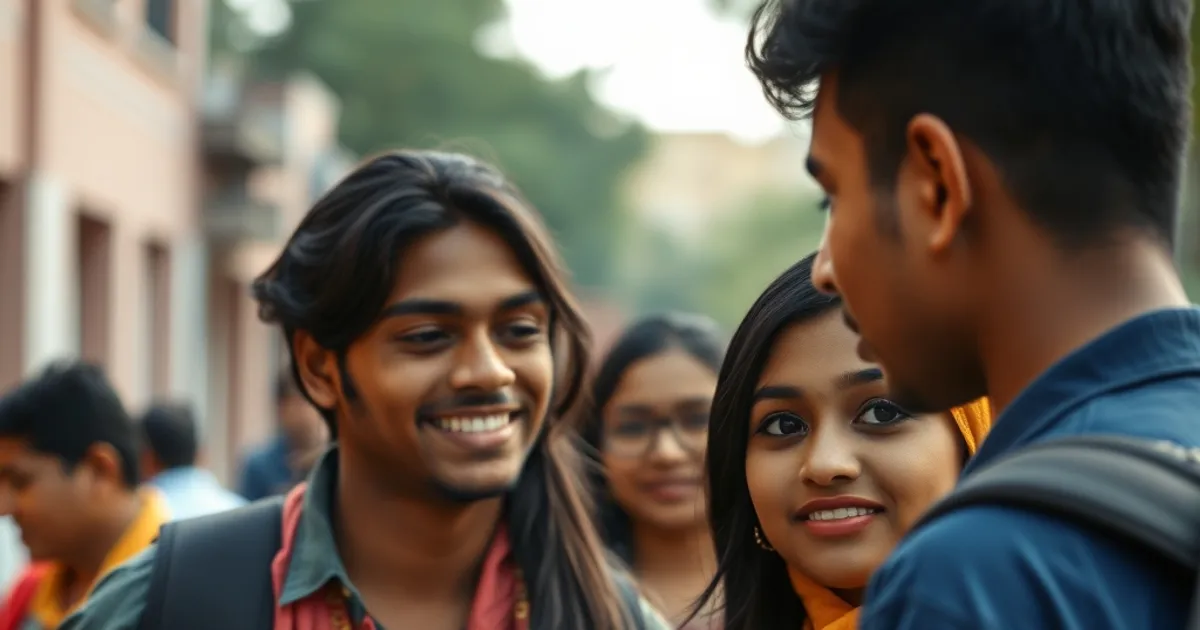
Houston's South Asian community delivered a landmark stretch of cultural, educational, and professional achievement. The India Association of Houston's annual Mela broke attendance records at Sugar Land Town Square, while a new HISD advisory committee and a University of Houston intercultural initiative are redefining how the city's institutions engage with one of its fastest-growing populations.
IAH Mela 2026 Sets Attendance Record in Sugar Land
The India Association of Houston's Mela 2026 drew 22,000 attendees to the Sugar Land Town Square over two days, making it the largest in the event's 38-year history. The festival featured Carnatic music performances, a Bharatanatyam recital by students of the Kalakshetra Academy of Houston, a Bollywood fashion show, and a food court with 40 vendors representing regional Indian cuisines from Kerala to Kashmir. Organizer Vikram Pillai credited years of grassroots investment in cultural programming for the record turnout, noting that the event has grown from a modest community gathering in the late 1980s to one of the largest South Asian cultural festivals in Texas. The Sugar Land venue, located in a suburb with one of the highest concentrations of Indian-Americans in the Houston metro area, provided an ideal backdrop for the celebration. The Mela has long served as a meeting point not just for Houston's Indian community but for the broader South Asian diaspora, with Pakistani, Bangladeshi, Sri Lankan, and Nepali organizations participating alongside Indian associations. Organizers said planning for Mela 2027 is already underway, with ambitions to expand the performance lineup and vendor space. [4]
Hillcroft Avenue Cements Houston as a Desi Food Destination
Houston's Hillcroft Avenue, a two-mile stretch of Indian, Pakistani, and Bangladeshi restaurants, grocery stores, and sweet shops, is drawing renewed attention as one of the most authentic South Asian food corridors in the United States. Local food critics and longtime residents alike point to the diversity of options as the corridor's defining strength: Pondicheri for modern South Indian, Saffron for upscale North Indian, Udipi Cafe for pure vegetarian South Indian classics, Pakistani Dhaba for karahi and nihari, and Thelala's Kitchen for Kerala seafood. The Bollywood Theatre on Westheimer adds a cultural dimension to the neighborhood, making Hillcroft and its surroundings a destination for an evening that spans dinner and film. Food writers note that what sets Houston's South Asian food scene apart from better-known Desi corridors in New York and Chicago is the depth of regional representation: cuisines from Tamil Nadu, Kerala, Punjab, Sindh, Bengal, and beyond coexist within walking distance. The continued growth of South Asian communities in southwest Houston is expected to sustain and expand the corridor for years to come. [2]
🎓 HISD Forms South Asian Parent Advisory Committee
Houston Independent School District has established a South Asian Parent Advisory Committee, a first for one of the nation's largest urban school districts, to advise on curriculum, cultural inclusion, and student support for a population that now numbers more than 60,000 enrolled students. Co-chaired by Priya Nair and Aamir Khan, the committee held its inaugural meeting at the new South Asian Community Center on Hillcroft, drawing parents and community advocates from across the district's diverse South Asian population. Priority areas identified at the first meeting include culturally responsive teaching, the introduction of South Asian languages such as Hindi, Urdu, and Telugu into the dual-language program, and the development of religious accommodation calendars that formally recognize Diwali and Eid alongside existing holidays. Advocates who have pushed for years for formal recognition of South Asian students' needs called the committee's formation a milestone. HISD officials said the committee will report directly to the superintendent's office and will have a formal role in reviewing curriculum proposals that affect South Asian students. The initiative comes as South Asian families have become among the most engaged parent constituencies in several HISD campuses. [3]
UH South Asian Students Launch Intercultural Dialogue Program
The South Asian Student Alliance at the University of Houston has launched Bridging Cultures, an interfaith and intercultural dialogue program connecting South Asian students with African-American, Latino, and LGBTQ student groups on campus. The initiative, which received a $30,000 grant from the UH diversity office, was co-founded by Arjun Mehta, who said the program was born from a recognition that South Asian students often feel invisible in mainstream diversity conversations despite being one of the largest international student communities at UH. Bridging Cultures will host monthly dialogue sessions, joint community service projects, and a shared cultural festival in the spring semester. The program has already attracted interest from student organizations beyond its initial partners, with Middle Eastern and East Asian student groups expressing interest in joining future cohorts. University administrators praised the initiative as a model for how affinity groups can work across difference rather than in isolation. Mehta said the goal is not just representation but genuine relationship-building: understanding that South Asian experiences of migration, discrimination, and belonging are part of a broader American story that connects rather than divides communities. [5]
South Asian Engineers Rise in Houston's Energy Sector
Houston's energy industry is seeing a measurable increase in South Asian representation at engineering and technical leadership levels, particularly in liquefied natural gas, renewable energy, and petrochemicals. Major employers including Chevron, Shell, and Baker Hughes have established active South Asian employee resource networks that have grown in both membership and organizational influence over the past three years. The South Asian Professional Engineers Association of Houston held its annual dinner with 400 attendees, its largest gathering to date, with speakers addressing career development, mentorship, and the expanding role of South Asian professionals in shaping the energy transition. Industry observers note that many of the engineers now advancing into senior roles trained at Indian Institutes of Technology before completing advanced degrees at US universities, bringing a combination of technical rigor and international perspective that employers increasingly value. The gathering also reflected Houston's broader role as a hub for South Asian professionals in STEM fields, a trend driven in part by the concentration of energy firms headquartered in the city and the presence of strong South Asian alumni networks at nearby universities including Rice, UT Austin, and Texas A&M. [6]
Sources: [4] Rice University Athletics · [2] Chron · [3] BAPS Swaminarayan Sanstha · [5] Deseret News · [6] U.S. News & World Report