
Wheat Transport Blockade Puts Pakistan's Capital at Risk of Flour Shortage
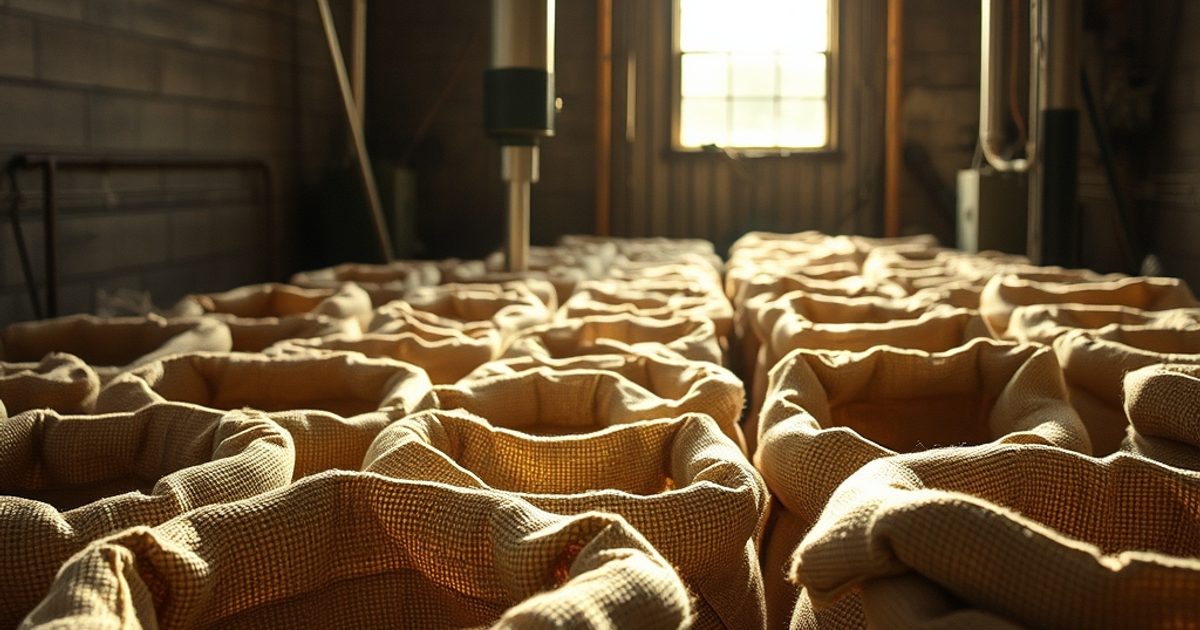
A critical administrative failure in Pakistan has pushed the capital city toward a severe staple food crisis. Approximately 45 flour mills in Islamabad are reportedly on the brink of running out of wheat, threatening a major disruption in the flour supply chain for residents.
This situation has emerged amid a backdrop of already soaring flour prices across the country. The immediate cause appears to be a blockade or significant interruption in the transport of wheat to these mills, exposing weaknesses in the government's logistical planning and crisis management. Without a swift resolution, the federal capital could face acute shortages of a daily dietary essential.
For the global Desi diaspora, this development is a stark reminder of the fragile food security that can affect family and community back home. Flour, as a cornerstone of South Asian cuisine from rotis to naan, is not merely a commodity but a cultural staple. News of potential shortages in a major city like Islamabad raises concerns about economic stability, inflation's impact on households, and the well-being of relatives. It underscores how administrative and logistical challenges can directly threaten the most basic necessities of life.