
Kathmandu Holds Vigil for Broad Peak Dead, Reopens Locked Library, and Mounts Exhibition Linking Valley to Kashi
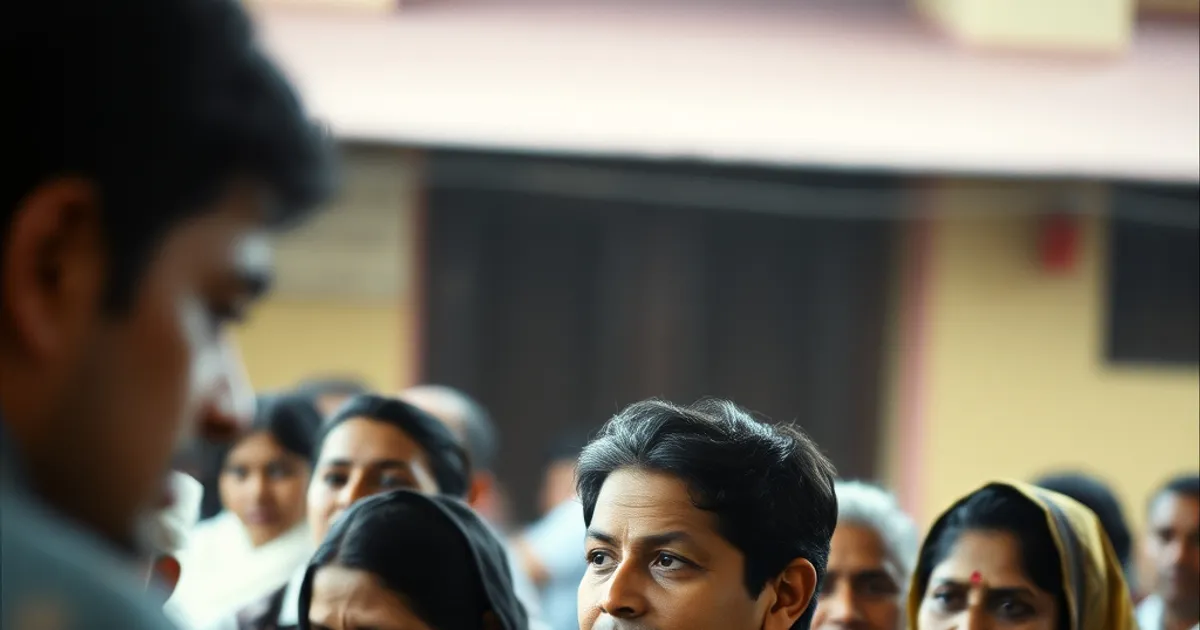
Kathmandu this week moved between grief, renewal, and diplomatic tension: a candlelight vigil at Maitighar Mandala honoured the ten mountaineers killed in the July 30 Broad Peak avalanche, the Kathmandu Valley Public Library unlocked its doors for the first time in 114 days after a rent dispute was resolved by ministerial intervention, and an ongoing exhibition at Kathmandu Art Gallery drew artistic threads between the Valley and the sacred city of Varanasi. In parallel, three individuals were arrested for trafficking brown heroin through a New Buspark guesthouse, and the government drew criticism for cancelling an international Tibetan studies conference despite its own security agencies clearing the event.
🤝 Kathmandu Holds Candlelight Vigil for Ten Mountaineers Lost on Broad Peak
A candlelight vigil and memorial ceremony was held on Tuesday evening at Maitighar Mandala in Babarmahal, Kathmandu, to honour the ten mountaineers who perished in a catastrophic avalanche on Broad Peak in Pakistan on July 30, 2026. The event was jointly organised by the Nepal National Mountain Guide Association, the Nepal Climbing Sports Association, and the Mt. Everest Summiter's Club Rolwaling Dolakha, reflecting the breadth of Nepal's mountaineering community mobilising in collective grief. Mountaineers, bereaved family members, friends, well-wishers, and members of the public gathered at the landmark public square to pay tribute to the climbers and express solidarity with those affected. Organisers said the ceremony was intended to recognise the courage, legacy, and outstanding contributions of the fallen, whose achievements had inspired climbers across the world. Speakers paid tribute to the climbers' dedication and passion for high-altitude expeditions, pledging that their legacies would inspire future generations of Nepali mountaineers. Broad Peak, at 8,051 metres the twelfth-highest mountain on earth, attracts international expeditions for which Nepali guides and porters play an indispensable role. Nepal's mountaineering industry employs thousands of guides, porters, and support workers, and avalanche deaths on the great peaks carry deep personal and economic consequences for mountain communities across the country. [6]
🎓 Kathmandu Valley Public Library Reopens After 114-Day Lockout Over Rent Dispute
The Kathmandu Valley Public Library at Bhrikutimandap reopened its doors on Wednesday after being locked for more than 114 days during a protracted rent dispute with its building owner. The reopening was conducted in the presence of representatives from the Social Welfare Council, the District Administration Office Kathmandu, Kathmandu Metropolitan City Ward 28, and the library's management committee, signalling a resolution to the standoff that had denied students, researchers, and regular readers access to one of the city's most important public knowledge institutions. The resolution followed a directive issued on Shrawan 19 by Minister for Women, Children, and Senior Citizens Sita Badi, whose intervention broke the deadlock after months of failed negotiations. Under the terms of the settlement, the library will henceforth be operated under the Social Welfare Council rather than its previous administrative arrangement — a structural change intended to provide stable long-term governance and protect against future tenancy disputes. The Kathmandu Valley Public Library has served as a hub for civil society, students preparing for competitive examinations, and researchers engaged in cultural and historical scholarship. Its closure for nearly four months had drawn sustained criticism from civic groups, student unions, and the broader reading public, who called the lockout an avoidable failure of institutional governance. [7]
🎬 Nepali Artists Map the Spiritual Bond Between Kathmandu and Kashi at Landmark Exhibition
An ongoing exhibition titled 'Homage to Banaras' at Kathmandu Art Gallery has brought together Nepali painters exploring the deep cultural, spiritual, and historical symmetry between Kathmandu and Kashi — the ancient name of Varanasi. Reviewed in the Nepali Times by Pinak Shrestha, the exhibition draws on centuries of pilgrimage, political exile, and scholarly exchange that have bound Nepal's royalty, intellectuals, and ordinary citizens to the sacred ghats of the Ganga. The Newakings of the Kathmandu Valley, the Shah rulers, and the Rana prime ministers all maintained profound connections to Banaras, some travelling there on pilgrimage and others as political exiles. The founding of Banaras Hindu University in 1916 deepened those ties further, establishing a destination for Nepali students and thinkers. Artists represented in the exhibition include Mukti Chalise, whose 'Assi Ghats' captures the timeless quality of Banaras's riverside steps, and Bipin Chherti, whose 'Ganga Aarti' portrays the ritual splendour of the nightly ceremony on the river. The works collectively create a dialogue between two cities shaped by identical Shaivite traditions, Ganges spirituality, and Buddhist pilgrimage culture. The exhibition is a reminder that Kathmandu and Kashi remain intertwined as living civilisations in South Asia's unbroken cultural fabric. [9]
Three Arrested for Brown Heroin Trafficking at New Buspark Guesthouse in Kathmandu
Kathmandu police arrested three individuals operating a brown heroin trafficking network from a guesthouse in the New Buspark area of the capital, the Narcotics Control Bureau announced on August 5. SP Durga Raj Regmi of the NCB identified the accused as Hit Bahadur Basnet, 34, from Okhaldhunga; Ramkrishna Sharma, 19, from Rajgadh Rural Municipality-7 in Saptari; and Dhananjay Paswan, 21, from Janaknandini Rural Municipality-3 in Dhanusha. Forty-three grams of brown heroin were recovered from the group at the time of arrest. Investigators established that the heroin was being transported from Saptari in Madhesh Province — a border region with established cross-border narcotics routes from neighbouring India — to Kathmandu, where it was being distributed using the guesthouse as a base. In a detail that highlighted the changing profile of drug trafficking in Nepal, Dhananjay Paswan was found to be an active IT engineering student who concealed the drugs in a sack of puffed rice during transport. The arrests add to a pattern of increasing NCB pressure on drug supply chains originating in Nepal's Tarai districts and flowing into urban centres. Nepal has recorded rising seizures of heroin and synthetic drugs in recent years, prompting calls for tighter cross-border coordination with Indian counterparts. [8]
🗳️ Nepal Overrules Own Security Agencies to Cancel International Tibetan Studies Conference
Nepal's government overruled its own security and intelligence agencies to cancel an international Tibetan studies conference that had been planned for Kathmandu, in a decision that drew sharp criticism from academic and human rights circles. The Kathmandu Post reported that security agencies had assessed the conference — intended to bring together international scholars of Tibetan history, culture, and politics — as a routine academic gathering posing no security risk, but that government officials overrode that assessment on geopolitical grounds. Observers widely interpreted the decision as reflecting Kathmandu's anxiety about its relationship with China, which has consistently pressed Nepal to restrict activities deemed sympathetic to Tibetan identity or political aspirations. Nepal, which shares a long northern border with China and receives significant Chinese investment in infrastructure, energy, and trade, has grown increasingly cautious about events that might attract Beijing's displeasure. The cancellation follows a pattern of Nepal declining to permit Tibetan cultural gatherings, protests, or academic events that could generate diplomatic friction. Critics, including scholars and civil liberties advocates, argued that suppressing a purely scholarly conference represented an unacceptable concession to foreign pressure and undermined Nepal's stated commitments to academic freedom and democratic governance. The episode has reopened wider debate about the trajectory of Nepal's foreign policy and the sustainability of its balancing act between India and China. [1]
Sources: [6] The Tourism Times · [7] Ekantipur · [9] Nepali Times · [8] Ratopati · [1] The Kathmandu Post