
Kathmandu Roundup: Flooding, Heat, Diplomatic Tensions, and Regional Food Ties
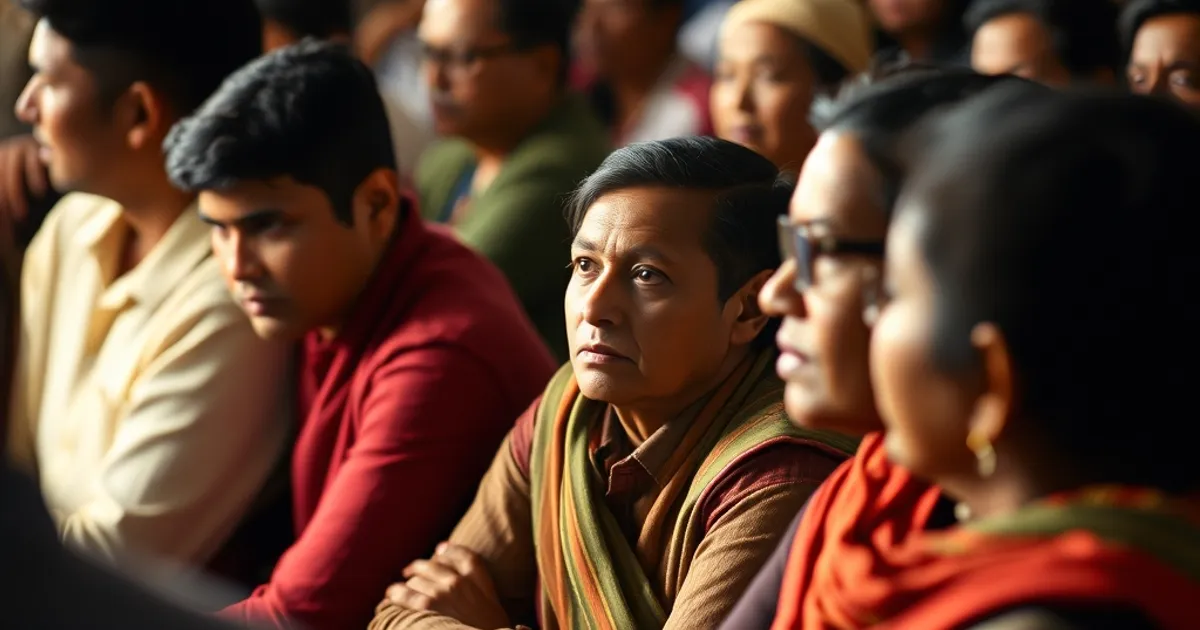
Nepal's capital is contending with compounding environmental pressures this week as torrential monsoon rain exposes deep vulnerabilities in urban drainage infrastructure while a decades-long pattern of concrete-driven development is turning the city into an increasingly oppressive heat trap. Against that backdrop, Kathmandu is also navigating a diplomatic flashpoint over an upcoming academic seminar on Tibetan studies that has drawn pointed objections from Beijing, and celebrating its role as a venue for South Asian cultural exchange as Bangladesh showcases its celebrated mango heritage in the city.
🗳️ One Shower, a Flooded City: Kathmandu's Inundation Crisis Laid Bare
A detailed investigative report by Nepalnews.com has laid bare the chronic and worsening nature of Kathmandu's urban flooding problem, revealing that even a single heavy monsoon shower is now sufficient to inundate significant parts of the city. The crisis is rooted in decades of rapid, largely unplanned urbanisation that has outpaced the capital's drainage and stormwater management capacity. Roads that were built without adequate provision for water flow, encroached waterways, and sprawling concrete surfaces that prevent water absorption have all combined to create conditions in which rainfall translates almost immediately into floodwater on streets and in homes. The report highlights that the problem is not simply a product of extraordinary weather but a structural failure of urban governance — one that recurs every monsoon season yet receives insufficient long-term remediation. Residents of low-lying neighbourhoods and informal settlements bear the heaviest burden, often suffering property damage and health risks from contaminated floodwater that lingers for hours or days. Local authorities have repeatedly pledged drainage upgrades, but implementation has been hampered by bureaucratic delays, limited budgets, and competing infrastructure priorities. Civil society groups and urban planners quoted in the report argue that addressing Kathmandu's flooding crisis requires not just engineering solutions but a fundamental rethinking of how the city plans and approves new construction, particularly in areas adjacent to rivers and natural drainage corridors. [2]
🤝 Kathmandu's Heat Bubble: Concrete, Growth, and a City Under Thermal Stress
Nepali Times columnist Prasesh Pote Shrestha has published a closely argued analysis of Kathmandu Valley's urban heat island (UHI) effect, warning that the city's relentless expansion of built-up areas is trapping and amplifying heat in ways that make life increasingly uncomfortable and dangerous for residents. The data is stark: over the past three decades the Valley has seen a more than fourfold increase in built-up surfaces, with approximately 100 square kilometres of vegetation and farmland lost per decade between 1990 and 2020. Open space within the Valley has collapsed from 2.34 percent of its area in 2014 to just 0.5 percent in 2025. Population density has surged correspondingly, rising from 8,480 people per square kilometre in the 1991 Census to 17,440 by 2021. The result is that the city core within the Ring Road now runs 1 to 4 degrees Celsius hotter than surrounding outskirts — even in years when pre-monsoon rainfall moderates overall temperatures. The article flags a particularly frustrating irony: a new Rs 120 million intersection project is underway that prioritises grey infrastructure once again, perpetuating the very pattern that has driven the heat crisis. Shrestha argues that technical solutions — increased tree cover, permeable surfaces, urban green corridors, and stricter building setback rules — are well understood; what is lacking is the political will to implement them decisively before the heat trap becomes irreversible. [5]
🍛 Bangladesh Showcases Mango Heritage in Kathmandu
The United News of Bangladesh reported on an event in Kathmandu that brought the rich diversity of Bangladeshi mangoes into the spotlight, offering Nepali consumers and dignitaries a window into one of the most celebrated food traditions of South Asia. Bangladesh is home to hundreds of distinct mango varieties, many of which are cultivated in the Rajshahi and Chapainawabganj districts of northwestern Bangladesh — a region with an agricultural heritage stretching back centuries and widely regarded as producing some of the finest mangoes on the subcontinent. The Kathmandu showcase served a dual purpose: celebrating the fruit as a symbol of Bangladeshi agricultural identity while also exploring the potential for expanded food trade and cultural exchange between Bangladesh and Nepal. Both countries are South Asian neighbours with deep historical and cultural ties, and events like this mango showcase serve as soft-diplomacy moments that build goodwill at the people-to-people level. Attendees were able to sample a range of varieties, each with its own distinctive flavour profile, colour, and texture — from the intensely sweet Langra and Fazli to the famously fragrant Haribhanga. For Kathmandu's residents and the city's growing culinary scene, the event offered a rare opportunity to engage directly with Bangladesh's agricultural and cultural bounty, reinforcing the connections that bind the diverse nations of South Asia together beyond politics and trade statistics. [3]
🗳️ Tibetan Studies Seminar Puts Nepal's Diplomatic Balancing Act in Focus
The upcoming 17th International Seminar on Tibetan Studies, scheduled to be held in Kathmandu, has become a significant diplomatic flashpoint, drawing formal objections from the Chinese ambassador to Nepal and raising questions about the country's ability to pursue academic freedom while managing its relationship with its powerful northern neighbour. China has historically been deeply sensitive to any activity on Nepali soil that it perceives as legitimising Tibetan cultural or political identity, and the seminar — an academic gathering focused on Tibetan history, language, religion, and society — has triggered formal diplomatic protests even before it has convened. Reports from both Nepalnews.com and The Kathmandu Post detail how the Chinese envoy formally voiced concerns to Nepali authorities, characterising the event as potentially destabilising. Phayul, a Tibetan diaspora news outlet, similarly reported the Chinese ambassador's public expression of dismay. Nepal's position is a delicate one: it has historically maintained its One China policy and avoided actions that Beijing perceives as contrary to its interests, yet it also maintains an academic tradition and receives international scholars for events of this kind. The controversy illustrates the broader geopolitical pressures that small nations in South Asia face when powerful neighbours treat academic and cultural questions as political threats, and it has reignited debate among Nepali commentators about where the line between diplomacy and self-censorship should be drawn. [1]
Sources: [2] Nepalnews.com · [5] Nepali Times · [3] United News of Bangladesh · [1] Nepalnews.com