
Visiting Lucknow? A Local Food & Culture Guide
Visiting Lucknow? A Local Food & Culture Guide
Lucknow has always been a city that feeds you well — in every sense. Whether you grew up eating nihari off newspaper in Aminabad or you're discovering the city's lanes for the first time, knowing where to eat, what to see, and how to move through Lucknow like a local makes all the difference. This guide cuts through the noise and gets straight to what matters.
TL;DR
- 🍢 Lucknow's food scene runs from royal Mughal-era kebabs to crispy South Indian dosas — don't limit yourself to one genre
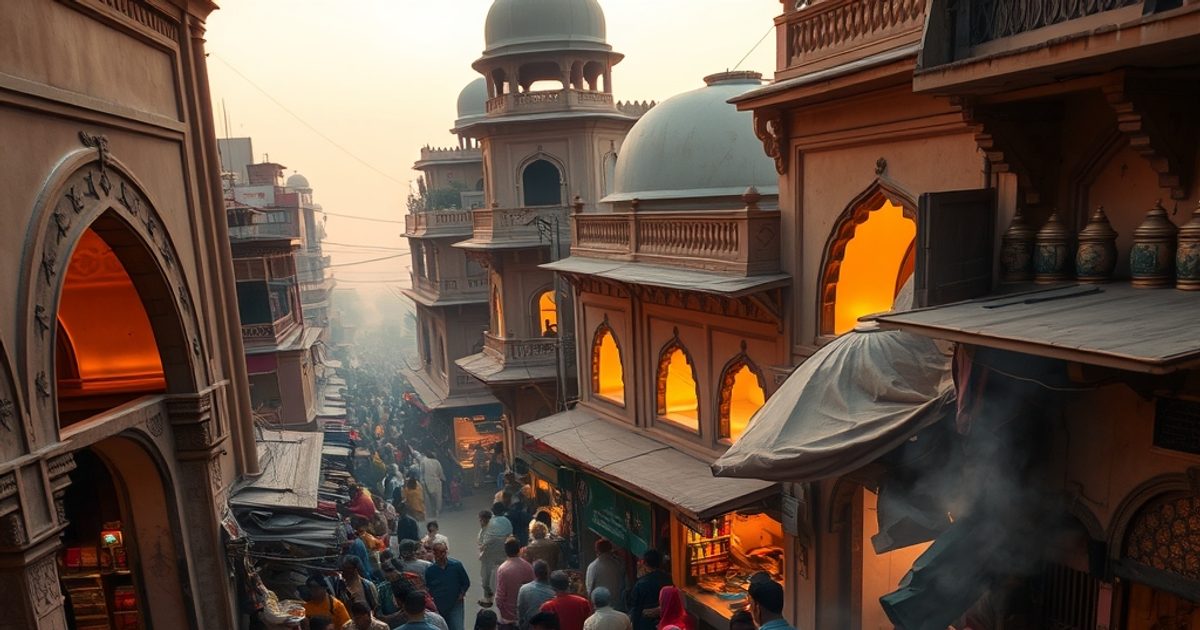
- 🕌 The old city (Purani Lucknow) is a cultural universe of its own — budget a full day for it
- 🌙 Many great eateries stay open late; Masala Darbar in Gomti Nagar runs until 1 AM
- 🛺 Autos and app cabs are both reliable — haggle for autos, use apps for comfort
- 📍 Neighbourhoods matter: Gomti Nagar, Alambagh, Aashiana, and Hazratganj each have their own flavour
Why Food Is the Front Door to This City
Lucknow's culinary identity is inseparable from its history. The nawabi courts of the 18th century gave rise to dum cooking — slow, sealed, aromatic — and that philosophy still lives in the smoke rising off a morning kakori stall or the sealed handi at a neighbourhood biryani shop. But the city is not frozen in that past. Alongside the legendary Awadhi specialities, you'll find thriving pockets of South Indian cooking, sizzling barbecue spots, and roll counters that draw long queues on working evenings.
Understanding this layering — old and new, Awadhi and beyond — helps you eat smarter and experience the city more honestly.
The Awadhi Classics: What You Actually Need to Try
If you've never had a proper seekh kebab fresh off a mangal, Lucknow is the place to correct that. The city's Awadhi cooking is built on patience: slow-cooked meats, fragrant whole spices, and a richness that doesn't shout but lingers.
For a full sit-down experience with North Indian food done in the Awadhi tradition, Masala Darbar in Gomti Nagar (C-4/31, Malhaur Railway Station Road, Ganga Vihar) is worth knowing about. They're open daily from noon all the way to 1 AM — which means they're one of the few reliable options when a late-night craving hits. Check their website at masaladarbarlucknow.com for the current menu and specials.
For something more atmospheric and street-adjacent, the older lanes around Chowk and Nakhas in the old city are irreplaceable. Go in the morning for nihari, and return after sunset when the grill stalls light up.
Beyond Awadhi: Dosas, Idlis, and South Indian Comfort Food
One of the quiet pleasures of Lucknow is how well it does South Indian food. These spots have loyal, multigenerational regulars — they're not novelties, they're fixtures.
Udupiwala near Alambagh Bus Station (Shop 2, Shalimar Gatewaye, Kanpur Road) is a go-to for travellers passing through the south side of the city. It's conveniently placed if you're arriving by bus from Kanpur or heading out that way.
UDUPI (South Indian & Chinese) in Aashiana (587/4, Telibagh, Near Hanuman Mandir) keeps things straightforward and satisfying, running daily from 11 AM to 10:30 PM. The proximity to the Hanuman Mandir makes it a practical stop after a visit to the temple.
Udipi Idli Sambaar in Vikas Nagar (Plot CP 6/5, Shekhupura Yojna, Jopling Road) is another neighbourhood staple for those living on the city's western edges — simple, consistent, and exactly what you want from a South Indian breakfast.
There's also Udipi Restaurant at Shopping Square for those in central parts of the city. Each of these spots has its own loyal crowd, and together they tell you something important: Lucknow eats widely and without fuss about geography.
Grills, Rolls, and the Joy of Eating Standing Up
Not every great meal in Lucknow comes with a table and a menu. Some of the most memorable bites happen at a counter, on a footpath, or from a cart that's been parked in the same spot for decades.
Agni at 2/8 Vishesh Khand brings a more intentional barbecue experience — find them at linktr.ee/agnilucknow for updates, events, and current hours. It's the kind of place worth following before you visit so you know what's on.
Sahu Kathi Chicken Egg Roll Wala in Munshipulia (G-1 Shahar Plaza) is the real deal for rolls — simple, fast, and exactly the kind of snack that earns a cult following. It's not a place you stumble into; you go because someone told you about it, and then you become the person who tells others.
Elaichi Sweets & Restaurant in Pink City (Plot No-1, Mohan Road) rounds out the neighbourhood eating scene on the sweets and snacks side. A good sweet shop in Lucknow is a social institution — it's where mithai boxes for weddings are ordered, where you grab something small before a family visit, and where children drag parents on the way home.
💡 Desi Insider Tip: In Lucknow, the best food is almost never in the most prominent location. The stall with three plastic stools and a blackened tawa tucked into a bylane will often beat the air-conditioned restaurant on the main road. Ask someone who lives in the neighbourhood — a shopkeeper, a chai vendor, anyone — where they eat. That answer is always worth following.
Culture, Heritage, and the Old City
Food alone doesn't explain Lucknow. The city's tehzeeb — its particular culture of courtesy, artistry, and refinement — was forged over centuries and shows up in architecture, in the way people speak to each other, and in the chikan embroidery you'll see hanging in every market.
The Bara Imambara complex is one of the most architecturally staggering things you'll see anywhere in northern India. The bhool bhulaiya (labyrinth) inside is genuinely disorienting and wonderful. Go with a guide if it's your first time, or accept that getting a little lost is part of the experience.
Hazratganj — Lucknow's colonial-era promenade — has changed and modernised but still holds a certain unhurried character in the evenings. Walk it, eat a kulfi, and watch the city move.
The chikan embroidery bazaars around Aminabad and Chowk are where you buy the real thing. Learn the difference between hand embroidery and machine work before you shop — vendors are generally happy to show you if you ask respectfully.
Getting Around Without Losing Your Mind
Lucknow is a sprawling city and traffic in peak hours can be genuinely testing. A few practical notes:
App-based cabs are consistent and useful for longer distances or when you're carrying bags. For short hops in familiar neighbourhoods, autos are faster and cheaper — agree on a fare before you get in. The city also has a metro corridor that connects the northern and southern stretches reasonably well; it's worth using when your route aligns with it.
Plan your eating around geography. Gomti Nagar, Alambagh, Aashiana, and Vikas Nagar are all distinct pockets — trying to cover them all in one day will exhaust you. Pick a neighbourhood, go deep, and come back another time.
FAQ
Q: What's the best time of year to visit Lucknow? October through February is the most comfortable window weather-wise — cool evenings, manageable days, and the festive season makes the city particularly alive.
Q: Are there good vegetarian options in Lucknow? Absolutely. The South Indian restaurants listed here — Udupiwala, UDUPI in Aashiana, Udipi Idli Sambaar — are strong vegetarian choices. Elaichi Sweets is another good stop. The city also has a long tradition of vegetarian Awadhi cooking that gets less attention than the meat dishes but is worth seeking out.
Q: Is Lucknow safe for solo travellers and visitors exploring alone? Generally yes. The city has a reputation for courteous public behaviour. Usual urban awareness applies — keep your belongings close, prefer well-lit areas after midnight, and trust your instincts.
Q: How do I find late-night food options? Masala Darbar in Gomti Nagar runs until 1 AM daily, making it one of the more reliable late-night sit-down options. Street food in the old city also stays active well into the night, particularly around Chowk.
Q: Do I need to know Hindi to get around? It helps enormously and will make interactions warmer, but you can navigate with basic phrases and goodwill. Lucknow's culture of hospitality means most people will try to help you even across a language gap.
The Bottom Line
Lucknow rewards the unhurried. The best experiences here — a perfectly constructed kebab, a quiet hour inside the Imambara, a cup of chai from a roadside thermos — don't come from rushing. Come with a rough plan, stay flexible, eat widely, and talk to people. The city opens up most generously to those who give it a little time.
For more local guides, neighbourhood-specific recommendations, and community updates, keep exploring Desi.Net — your home base for everything Lucknow.