
Desi Concerts & Cultural Shows Coming to Nairobi
TL;DR
- 🎭 Guru Purnima 2026 on July 29 is the headline Desi cultural event of late July, with concerts and performances planned across Nairobi
- 🐍 Nag Panchami 2026 on August 17 brings folk performances, storytelling, and regional cultural showcases to Nairobi's Desi community spaces
- 🌙 Pradosh Vrat evenings — July 27 and August 10 — set a musical, devotional tone that opens each month's cultural programming
- 🎶 From Sankashti Chaturthi on August 2 through Amavasya on August 12, Nairobi's Desi organizations keep the calendar full
Nairobi's Desi community has long maintained a cultural life that runs parallel to, and sometimes interweaves with, the city's broader cosmopolitan energy. For those with roots in South Asia — whether their family arrived two generations ago or two years ago — the cultural and spiritual calendar is as much a source of social programming as it is a religious one. The months of July and August 2026 are especially well-stocked with observances that have historically sparked concerts, classical dance shows, bhajan evenings, and cultural get-togethers across the Nairobi Desi community.
This guide maps out the key dates and gives you a sense of what kind of cultural programming tends to cluster around each one, so you can plan your attendance well in advance.
The Cultural Season Opens: Late July ✨
Pradosh Vrat — July 27
Pradosh Vrat marks the thirteenth lunar day of each fortnight, observed at twilight. For Nairobi's Desi community, Pradosh Vrat evenings often serve as the opening act for larger cultural gatherings — temples organize bhajan sessions, community halls arrange devotional music evenings, and families come together in smaller, intimate settings. The July 27 Pradosh Vrat starts the season off on a contemplative, music-rich note that tends to energize the weeks ahead.
Guru Purnima 2026 — July 29
Guru Purnima 2026 is the headline event of the late-July cultural calendar for Desi communities worldwide, and Nairobi is no exception. Falling on the full moon of Ashadha, this is traditionally the day to honor the guru — in a contemporary Desi diaspora context, that means cultural organizations often take the occasion to stage their most significant programs of the season.
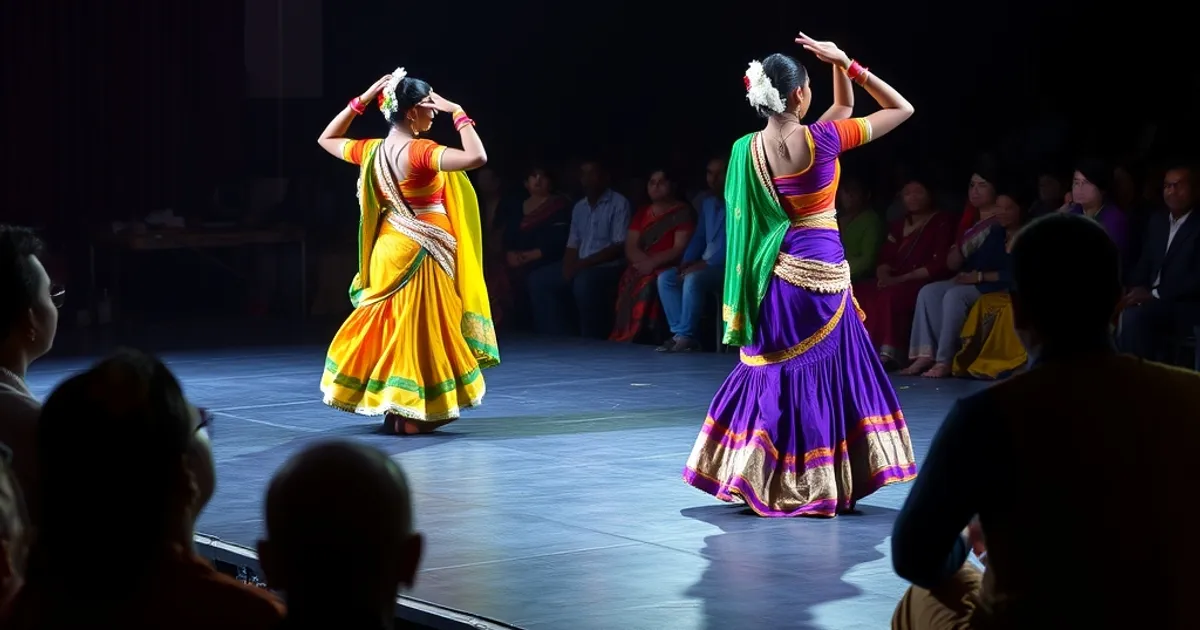
Expect classical music recitals, Bharatanatyam and Kathak performances, and community evenings where students of various arts present to their teachers and the wider community. Guru Purnima 2026 falls on a Wednesday, but weekend programming adjacent to the date is the norm for Nairobi's organized Desi cultural societies.
If you are a parent with children studying classical music, dance, or a traditional art form, this is the event you build the rest of the month around. Reserve your seats early — programs tied to Guru Purnima 2026 fill up faster than most.
Purnima — July 29
Purnima, the full moon, coincides with Guru Purnima 2026 this cycle, amplifying the cultural and spiritual significance of July 29. Full-moon evenings in the Desi tradition carry an inherent festive quality, and musical performances tend to extend later into the night on Purnima. If there is a cultural show you have been waiting to attend, full-moon evenings are rarely disappointing.
August: A Full Calendar of Desi Programming 🌟
Sankashti Chaturthi — August 2
Sankashti Chaturthi, falling on the fourth day after the full moon, is dedicated to Lord Ganesha — the deity most associated with beginnings, arts, and learning. For a Desi cultural community, there is a natural fit between this observance and cultural programming. Ganesha vandana is a common opener for concerts and dance performances, and community organizations in Nairobi sometimes schedule bhajan evenings or short cultural programs around Sankashti Chaturthi to carry the momentum from Guru Purnima 2026 forward.
Ekadashi — August 9
Ekadashi falls on the eleventh day of the lunar fortnight and is traditionally observed with fasting and devotional music. For the Desi diaspora in Nairobi, Ekadashi evenings at mandirs or community centers often feature kirtan sessions and bhajan evenings rather than large-scale concerts. Smaller and more intimate than the Guru Purnima programs, these gatherings are where the community's musical traditions stay alive at a grassroots level — and they are worth attending for exactly that reason.
Pradosh Vrat — August 10
The second Pradosh Vrat of this cycle on August 10 echoes the July 27 observance, often with similar programming — devotional music, small community gatherings, and temple events. If you missed the July Pradosh Vrat program at your local mandir or community hall, August 10 gives you another entry point into this cycle's cultural season.
Amavasya — August 12
Amavasya, the new moon, is a day of reflection and ancestral remembrance. The cultural programming on and around Amavasya tends toward the meditative rather than the festive — classical instrumental performances, poetry readings, and devotional evenings are more common than high-energy shows. Nairobi's Desi cultural organizations, particularly those with classical arts programming, sometimes mark Amavasya with quietly memorable events worth attending.
Nag Panchami 2026 — August 17
Nag Panchami 2026 rounds out the season with considerable energy. The festival celebrates serpents as symbols of life and protection, and in a diaspora context, it has become an occasion for folk performance, storytelling, and regional cultural showcases. Nairobi's Desi community draws from several South Asian regional traditions — Maharashtrian, Gujarati, South Indian, Punjabi — and Nag Panchami 2026 is a date when those regional voices surface prominently in programming. Expect folk music, regional dance performances, and community storytelling events built around the mythology of the day.
Planning Your Attendance
The key to making the most of Nairobi's Desi cultural season is early communication with the community organizations that run these events. Tickets and seats for major Guru Purnima 2026 programs can fill quickly, particularly when well-known visiting artists from South Asia are featured. Smaller events around Pradosh Vrat or Ekadashi are typically open-door, but confirming in advance is always worthwhile.
The organizational landscape in Nairobi includes temple-based cultural committees, regional associations, and general Desi cultural societies. Each tends to run its own calendar, so following multiple community channels gives you the most complete picture of what is available on any given weekend.
Insider Tip: The weeks immediately after Guru Purnima 2026 — spanning Sankashti Chaturthi and running through to Nag Panchami 2026 — are the densest stretch for Desi cultural programming in Nairobi each year. If you can only clear a handful of weekends for cultural events, block mid-July through late August now, before the schedules fill.
FAQ
Where do Desi cultural events in Nairobi typically take place? Most events are hosted at community temples, the premises of regional cultural associations, or hired community halls. The specific venue varies by organization and event size.
How do I find out about Guru Purnima 2026 programs in Nairobi? The most reliable channels are community WhatsApp groups, temple notice boards, and the social media pages of Nairobi's Desi cultural associations. Programs are usually announced two to four weeks ahead.
Are Desi cultural events in Nairobi open to non-Desi attendees? Most community cultural events welcome anyone with an interest in South Asian arts and culture. Large concerts are generally open to all; smaller religious observances may be community-specific.
Is Nag Panchami 2026 celebrated with public events or mainly at home? Both. Home-based worship is central to the observance, but community events — particularly folk performances and storytelling — are common wherever the regional community is organized enough to stage them.
What kind of music is typically performed at Ekadashi programs? Kirtan and bhajan are the primary musical forms. Devotional singing sessions, sometimes led by a community vocalist or a visiting musician, are the norm at Ekadashi gatherings.
Bottom Line
Nairobi's Desi cultural season from late July through mid-August 2026 is bookended by two significant dates — Guru Purnima 2026 and Nag Panchami 2026 — with Pradosh Vrat, Purnima, Sankashti Chaturthi, Ekadashi, and Amavasya filling the weeks between. Together they create an unusually active cultural calendar. Follow your community organizations closely, book early for the major events, and make the most of what the season offers.