
Weekend Activities for Desi Kids in Nairobi
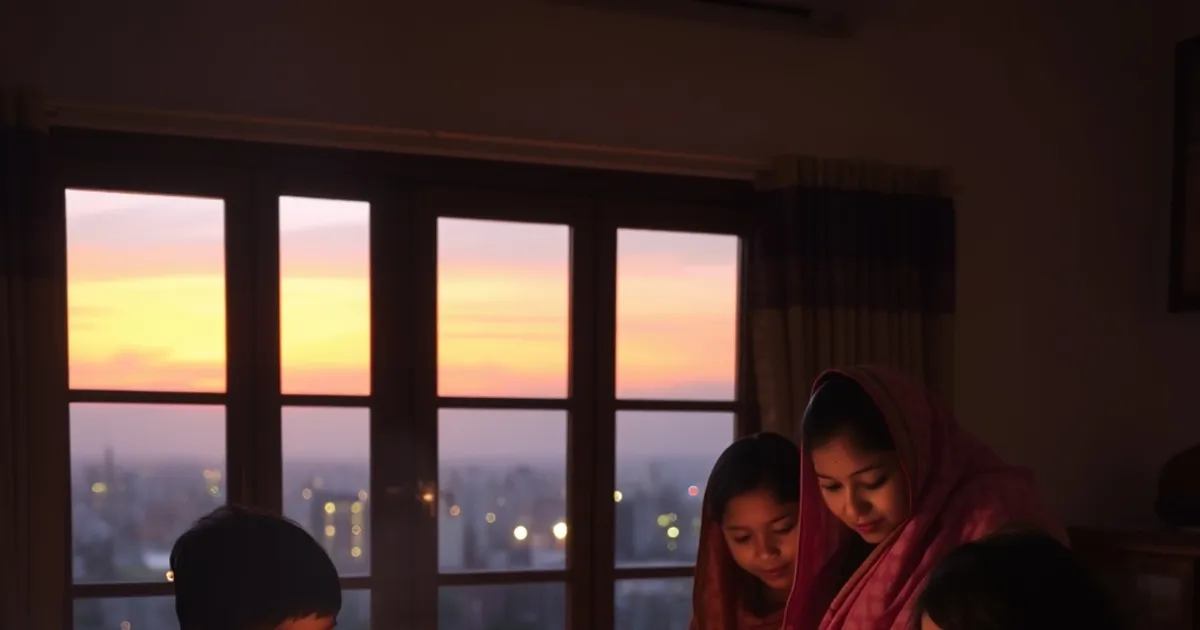
Weekend Activities for Desi Kids in Nairobi
TL;DR 🗓️
- The Hindu panchang calendar provides a natural and culturally grounded frame for weekend plans across late July and early August 2026
- Guru Purnima 2026 on July 29 is the most significant upcoming observance and a natural anchor for community gatherings and family rituals
- Ekadashi on July 25 and Pradosh Vrat on July 27 offer meaningful early-week activities in the same stretch
- Sankashti Chaturthi on August 2 extends the cultural season into the following week with Ganesha-centred stories and traditions
- Weekend plans built around panchang observances tend to leave children with lasting cultural memories rather than just a way to pass the time
Nairobi's Desi community is sizeable, well-connected, and deeply invested in keeping South Asian culture alive across generations. For families raising children here, weekends carry a particular kind of weight — they are the windows in which language stays spoken, recipes get passed down, and the stories that frame a sense of identity get told and retold.
Finding weekend activities that genuinely engage children while also holding cultural meaning is a recurring challenge for diaspora parents. The Hindu panchang calendar is one of the most useful tools available for this, because it offers a structured rhythm that is tied to real cultural significance rather than invented engagement.
This guide covers what the late July and early August panchang calendar offers for Desi families in Nairobi, with practical suggestions for turning each observance into a full weekend activity.
Why the Panchang Calendar Works as a Planning Framework
The Hindu lunar calendar — the panchang — marks time differently from a standard calendar. It tracks the lunar phases, assigns significance to specific tithi days, and organises a cycle of fasting days, festive observances, and auspicious occasions throughout the year. For diaspora families, this calendar does something that generic weekend guides cannot: it anchors cultural activity to a system of meaning that has depth and history behind it.
For children, the panchang introduces concepts that are genuinely interesting when explained well — lunar phases, the stories behind each deity associated with an observance, why certain foods are eaten or avoided on certain days. These are not abstract lessons; they become lived experience when a family fasts together on Ekadashi, visits a temple for an evening aarti on Pradosh Vrat, or gathers around a table to tell Ganesha stories on Sankashti Chaturthi.
Nairobi's mandir network and South Asian community organisations provide additional support for these activities. Temple notice boards and community WhatsApp groups are among the most reliable ways to find out what is organised around specific panchang dates.
July Weekends: Ekadashi Through Guru Purnima 2026
The final stretch of July 2026 is unusually rich for families following the panchang.
Ekadashi falls on July 25. The eleventh day of each lunar fortnight, Ekadashi is one of the most widely observed fasting days in Hindu tradition. For children, the most engaging entry point is usually the food itself — Ekadashi-compliant meals exclude grains and focus on fruits, roots, dairy, and alternatives like kuttu (buckwheat) and sabudana (sago). Cooking this meal together turns the observance into a hands-on activity. Children who are too young to fast properly can still participate in the preparation, and the explanation of why each ingredient is or is not used gives the cooking session real educational content.
Pradosh Vrat on July 27 is an evening observance associated with Shiva. The pradosh timing — roughly ninety minutes before and after sunset — makes this a natural occasion for a focused family ritual followed by a storytelling session. The stories of Shiva and his family are among the most narratively complex and engaging in Hindu tradition: the rivalry between Ganesha and Kartikeya, the devotion of Parvati, the cosmic dance of the Nataraja. An evening that begins with a simple home puja and moves into storytelling is a genuinely worthwhile weekend activity for children across a wide age range.
Guru Purnima 2026 on July 29 is the centrepiece of this stretch. Guru Purnima is the full-moon day dedicated to honouring teachers, gurus, and the chain of knowledge transmission that underlies both religious and secular education. In South Asian cultural tradition, the guru-shishya relationship is considered foundational — not just in spiritual contexts but in music, dance, craft, and academic learning.
For Desi families in Nairobi, Guru Purnima 2026 is a natural occasion to take children to visit an elder relative or family friend who deserves acknowledgement, to attend a community gathering at the mandir, or to create a small home observance where children write or express gratitude to a teacher who has mattered to them. The full moon of Purnima on the same date makes July 29 an evening worth spending outdoors — full-moon nights in Nairobi carry a particular quality of light that makes the occasion feel significant even without any formal activity.
Insider Tip: Guru Purnima 2026 falls on a Wednesday, but many Nairobi Desi community organisations and mandirs hold their main celebrations on the nearest weekend. Check the community WhatsApp groups and mandir notice boards in the week of July 20 to catch organised events before they fill up. These informal networks are almost always faster than any public announcement.
August: Sankashti Chaturthi
Sankashti Chaturthi falls on August 2. This monthly observance is dedicated to Ganesha — the deity of wisdom, intellect, new beginnings, and the arts — and involves fasting until moonrise followed by a meal and the telling of the Sankashti Stotra or related Ganesha stories.
For children, Ganesha is often the most immediately appealing figure in the Hindu tradition: the elephant-headed son of Shiva and Parvati, known for his intelligence and his role as the remover of obstacles. The stories associated with Sankashti Chaturthi are family-friendly and narrative-rich, making them excellent material for an evening activity.
Practical activities to build around Sankashti Chaturthi include drawing or crafting a Ganesha figure, learning a short shloka or chant, and preparing modak together — the coconut-sweet dumpling considered Ganesha's favourite food. The modak preparation is popular with children of almost any age and produces something edible at the end, which tends to improve engagement considerably.
Everyday Weekend Cultural Activities for Desi Families in Nairobi
Beyond the panchang dates, a few regular weekend practices tend to pay compound dividends for diaspora families:
Dedicating one morning per weekend to the home language — whether Hindi, Urdu, Gujarati, Tamil, Punjabi, or another — builds fluency over time in a way that does not feel like a lesson. Conversation works better than worksheets for younger children.
Cooking one dish per weekend with an attached story — regional origin, family history, or the occasion on which it is traditionally made — turns a kitchen session into a cultural transmission.
Connecting with Nairobi's South Asian community networks is among the most effective long-term investments for diaspora families. Children who grow up with a peer group sharing their cultural background tend to maintain their identity more robustly than those who navigate it alone.
FAQ
Q: What is Guru Purnima 2026 and why is it significant for families? A: Guru Purnima is the full-moon day honouring teachers and gurus, falling on July 29 alongside Purnima. For families, it is an occasion to acknowledge the elders and teachers in a child's life, visit the local temple, and share the cultural significance of the guru-shishya tradition.
Q: How do I explain Ekadashi to young children? A: Ekadashi is the eleventh day of each lunar fortnight, observed as a fasting or light-eating day. For children, explaining it as a day when the body rests from heavy foods and the family cooks a special meal together makes it concrete and participatory. The cooking itself is usually the most engaging part.
Q: What is Sankashti Chaturthi and what activities can we build around it? A: Sankashti Chaturthi is a monthly observance dedicated to Ganesha, falling on August 2 this cycle. Family activities can include crafting Ganesha figures, learning a short Ganesha shloka, telling the stories associated with the occasion, and making modak together.
Q: How do we find out about community events in Nairobi around these dates? A: The most reliable sources are local mandir notice boards and South Asian community WhatsApp networks. These informal channels almost always carry event information before any public announcement goes out. Connecting with the nearest South Asian temple community is the most direct entry point.
Bottom Line
The late July and early August panchang calendar gives Nairobi's Desi families a purposeful stretch of weekends. Ekadashi on July 25, Pradosh Vrat on July 27, and Guru Purnima 2026 on July 29 cluster into one genuinely meaningful week — the kind that, approached with intention, can leave children with lasting memories and real cultural grounding. Sankashti Chaturthi on August 2 carries the thread forward. These are not abstract observances; they are frameworks for family time that carries meaning. Use them, and Nairobi's Desi community networks will add texture on top.