
Visiting Nairobi? A South Asian Traveler's Food & Culture Guide
TL;DR 🍛
- Nairobi's Kenyan-Indian community has roots going back to the 1890s — descendants of laborers who built the Uganda Railway
- Parklands and Westlands are the hub neighborhoods for South Asian food, temples, and community life
- Maharaja Restaurant, Open House Westlands, Mirchh Masala, and others serve consistently excellent Indian food
- The city's Indian dining scene ranges from vegetarian specialists like Ashiana Vegetarian Indian to Punjabi street-food-style spots
- Desi.Net's Nairobi directory helps South Asian visitors connect with community resources, events, and businesses
A Community With Deep Roots: The Kenyan-Indian Story
Nairobi's South Asian population is one of Africa's oldest and most established diaspora communities, and its origins are well worth understanding before you arrive.
The story begins in the late 1890s, when the British colonial administration recruited tens of thousands of Indian laborers — mostly from Punjab and Gujarat — to build the Uganda Railway. This 900-kilometer line ran from the port city of Mombasa on the Indian Ocean inland to Lake Victoria, and constructing it was brutal work. Thousands of workers died; many others settled along the route once the project was complete. Their descendants became traders, craftspeople, professionals, and civic leaders across East Africa.
By the mid-twentieth century, the Kenyan-Indian community had established schools, temples, mosques, gurdwaras, and commercial networks that shaped the economic and cultural life of Nairobi and other Kenyan cities. The community is religiously diverse — Hindu, Muslim, Sikh, Ismaili, and Jain communities all have established institutions in Nairobi — reflecting the regional breadth of those original migrants and subsequent waves of arrivals.
Today, Nairobi's South Asian population numbers in the tens of thousands and remains concentrated in the Parklands and Westlands neighborhoods. For a South Asian traveler visiting the city, this history is not just background — it is a living presence in the architecture, the food, the places of worship, and the way the community carries itself.
Parklands and Westlands: The Desi Heartbeat of Nairobi
If you are visiting Nairobi as a South Asian traveler — or simply someone with an appetite for excellent Indian food — Parklands and Westlands are your two essential neighborhoods.
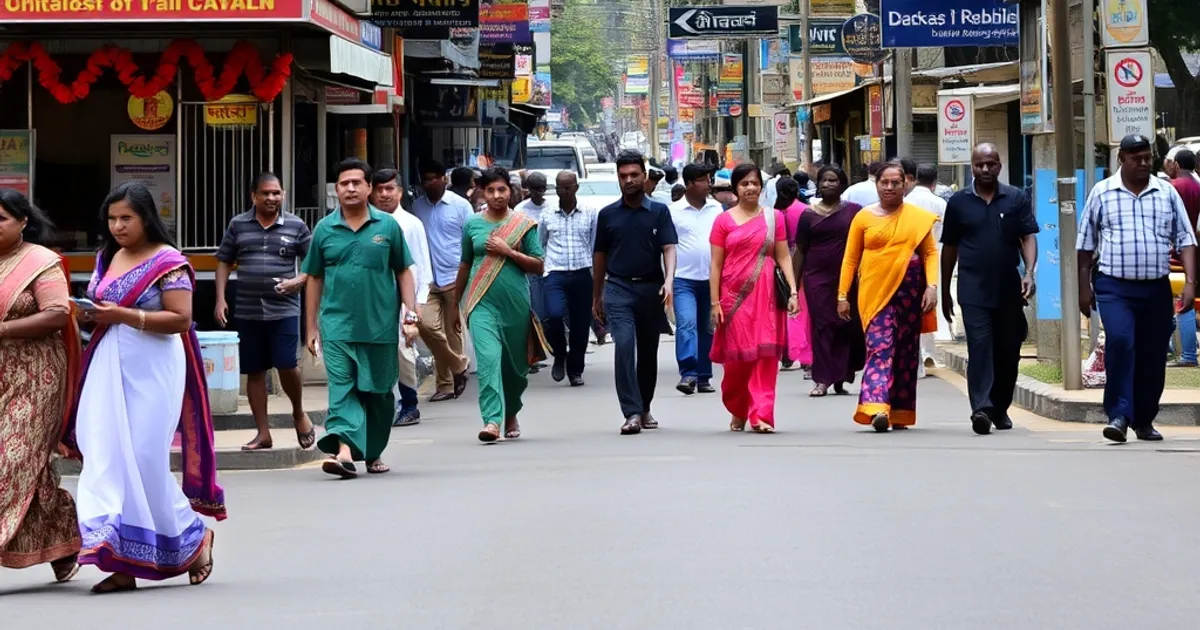
Parklands is the historic residential hub of Nairobi's Indian community. Walking its streets, you encounter mandirs and mosques, Sikh gurdwaras and Jain derasars, sari shops, sweet shops, and pharmacies that stock Ayurvedic and Indian pharmaceutical brands. Parklands Road in particular is lined with South Asian businesses, and the density of Indian restaurants here is higher than anywhere else in East Africa. On a Sunday morning, when families are out for brunch and the temples are active, Parklands offers one of the most immersive Desi street-scene experiences outside the subcontinent. Gallant Mall Parklands Road is a well-known commercial landmark in the area where South Asian businesses cluster.
Westlands is Nairobi's premier commercial and social district — shopping malls, upscale restaurants, and a lively nightlife scene. The South Asian community in Westlands skews slightly younger and more mixed with the city's broader professional class, but Indian food culture is deeply embedded here. For visitors staying in Westlands, excellent Indian dining is never far.
Where to Eat: Indian Restaurants in Nairobi
Nairobi's Indian food scene is shaped by generations of community cooking and the demands of a discerning local palate that knows what good food tastes like. Here is a practical guide to where to eat.
Open House Westlands (phone: +254 735 621 824) is one of the most popular Indian dining spots in the city, drawing both local families and visiting South Asians who want a reliable, satisfying meal. The second location, Open House Karen on Langata Road, serves a similar menu in the quieter, greener Karen suburb — a good choice if you're staying on the south side of the city. Both locations deliver consistent North Indian cooking in a welcoming atmosphere.
Mirchh Masala (mirchhmasala.com) has earned a strong following for bold, spice-forward cooking. The name is a signal — mirch means chili — and the kitchen backs it up. If you want food that tastes like it came out of a serious Punjabi home kitchen, this is the place to go.
Maharaja Restaurant on Parklands Road is one of Nairobi's long-standing Indian institutions. Years of serving the community have honed a broad menu that covers dal makhani, biryani, tandoor breads, and everything in between. For a sit-down dining experience with full table service and a menu deep enough to satisfy a mixed group, Maharaja Restaurant is a dependable anchor.
Chowpaty in Crossway brings a street-food sensibility to its menu — the name references Mumbai's famous seaside gathering spot and its bhel puri stalls. The atmosphere is casual and fast-paced, the menu leans toward chaat and snacks, and it works well for a quick, satisfying stop between other activities.
Bombay Chowpaty Ltd on Mugo Kibiru Drive is a distinct establishment from Chowpaty above, with its own take on Mumbai-inspired snacks and quick bites. On the same road, Punjabi By Nature specializes in Punjabi cooking — robust curries, tandoor-cooked breads, and the kind of hearty, forthright food that Punjabi cuisine does better than almost anyone.
Ashiana Vegetarian Indian on Muthithi Road is the essential destination for strict vegetarians and those who observe Jain dietary requirements. The menu is entirely meat-free, with strong options for vegan and dairy-free diners. For Jain travelers in particular, finding a reliable vegetarian restaurant in an unfamiliar city is a relief, and Ashiana fills that role in Nairobi.
Saffron Indian Kitchen rounds out the Nairobi Indian dining scene with its own take on Indian cooking — a solid option for those who want to explore beyond the more established names on this list.
Insider Tip: Parklands Road on a Sunday is the most vibrant Desi street scene in Nairobi. South Asian families are out for brunch and shopping, the mandirs are active, and the restaurants are at their liveliest. If you have only one morning to absorb the community atmosphere, spend it on Parklands Road.
Beyond Food: Cultural and Devotional Life
For South Asian visitors who want to engage with Nairobi's Indian community beyond the restaurant scene, the city offers several points of entry.
The Hindu mandirs and Sikh gurdwaras of Parklands are generally open to respectful visitors and can offer a window into devotional community life. If your visit coincides with a festival — Diwali, Navratri, Baisakhi — the community celebrations are often open to the broader public and worth attending.
Indian-run shops in Parklands stock Bollywood films, Indian magazines, regional snacks and sweets, and puja supplies — a useful stop for travelers who want to pick up something from home.
Desi.Net's Nairobi listings cover restaurants, community organizations, cultural events, and South Asian-run businesses. It is a practical resource for navigating the city's Indian community before and during your visit.
FAQ
Q: Is it safe for South Asian travelers to visit Nairobi? A: Nairobi is a major international city with active tourism infrastructure. Standard urban precautions apply — be aware of your surroundings, use reputable transportation, and keep valuables out of sight. The Parklands and Westlands areas where the Indian community is concentrated are among the city's well-maintained, busy commercial neighborhoods.
Q: Do Nairobi's Indian restaurants accommodate vegetarians and Jain diners? A: Yes. Ashiana Vegetarian Indian is entirely plant-based and can accommodate Jain requirements — ask the kitchen about onion and garlic. Most other Indian restaurants on this list carry extensive vegetarian menus. It is worth calling ahead for specific Jain requirements at restaurants that also serve meat.
Q: Is the Indian food in Nairobi similar to what you'd find in India or the broader diaspora? A: Nairobi's Indian food has developed its own character over more than a century — it is shaped by East African ingredients, Kenyan-Indian tastes, and a long tradition of community cooking. Visitors from India or the diaspora often find it simultaneously familiar and distinctively local, which makes it worth exploring on its own terms.
Q: Is the Kenyan-Indian community welcoming to South Asian visitors? A: Generally yes. Shared cultural reference points — food, festivals, Bollywood, family structures — create easy common ground. The community has also had long exposure to international visitors, and the hospitality culture in Parklands and Westlands is well established.
Bottom Line
Nairobi offers South Asian travelers something genuinely distinctive: a city where Indian culture has been part of the urban fabric for well over a century. From the storied streets of Parklands to modern Westlands, from the reliable dal makhani at Maharaja Restaurant to the bold spicing of Mirchh Masala, from the vegetarian haven of Ashiana Vegetarian Indian to the street-food energy of Chowpaty — the city rewards exploration. The Kenyan-Indian community built something lasting here. Desi.Net's Nairobi directory can help you find your way into it.