
Onam 2026 in Palo Alto: Events, Puja & Where to Celebrate
TL;DR
- Onam 2026 Thiruvonam falls on August 31 — Palo Alto and the Bay Area host some of the largest and most polished Onam celebrations outside Kerala. 🌺
- The devotional season opens with Guru Purnima 2026 on July 28, followed by Nag Panchami 2026 on August 16, keeping the spiritual calendar active through summer. 🪔
- Silicon Valley's Kerala community has built robust cultural infrastructure: associations, performance groups, and community event venues fill up early. 🎊
- Sadya, pookalam competitions, classical dance, and oppana performances are fixtures of Bay Area Onam programming.
- Book plans early — Bay Area venues and performance groups are among the most in-demand in the Malayali diaspora nationwide.
Onam in Silicon Valley: A Kerala Community Built to Celebrate
If any diaspora community in the United States has the scale, organization, and cultural bandwidth to celebrate Onam in full Kerala style, it is Palo Alto and the surrounding Bay Area. The concentration of Malayali engineers, doctors, researchers, and entrepreneurs in Silicon Valley is staggering — and their cultural institutions reflect it. Kerala Samajam chapters, classical arts organizations, boat race fan clubs, and Onam sadya cooking collectives exist here in forms that would impress even residents of Thiruvananthapuram.
For the uninitiated: Onam is Kerala's most important festival, a ten-day celebration anchored in mythology, agriculture, and art. The story goes that the great king Mahabali — a beloved ruler who brought prosperity and equality to his people — was sent to the underworld by Vamana, an avatar of Vishnu. But Mahabali is said to return each year during the month of Chingam, and Onam is the celebration of his homecoming. Pookalam (floral carpets) are laid at entrances, sadya (a 24-to-26 dish vegetarian feast on banana leaf) is prepared, and songs, dances, and games carry on for ten days.
In 2026, Thiruvonam — the climactic day — falls on approximately August 31. Preparations in Palo Alto begin weeks earlier, with community associations sending out announcements by late July.
The Devotional Calendar: From Guru Purnima 2026 to Nag Panchami 2026
The summer months build steadily toward Onam, and for practicing Hindu families, the calendar between July and August is far from quiet.
Guru Purnima 2026 on July 28 is the full moon dedicated to honoring one's teachers. It is observed with prayers, ritual offerings, and sometimes gatherings at temples or community centers. In the Bay Area's South Indian community, this day takes on added significance: many classical music and dance students offer formal respects to their gurus, and cultural organizations use the occasion to open their festival season.
Sankashti Chaturthi on August 2 falls roughly midpoint between Guru Purnima and the start of Onam. This monthly observance honoring Lord Ganesha is marked with fasting, evening prayers, and the sighting of the moon — a ritual that continues in diaspora households without modification.
Ekadashi on August 8 brings a fasting day for Vaishnava families. The Ekadashi cycle runs through the year, but the one falling in the Shravan month carries particular weight. Families fast from grains and beans, light lamps before the Vishnu altar, and read from the Bhagavata Purana or similar texts.
Pradosh Vrat on August 10 is observed at dusk with prayers to Shiva and Parvati. The evening timing makes this one of the more practically observed fasts: workdays are uninterrupted, and the ritual focus comes after sunset when families gather.
Amavasya on August 12 — the new moon — is a day for ancestral rites, tarpan, and quiet domestic prayers. Many families use this day to call elderly relatives in Kerala, reconnecting the diaspora family tree before the festival season accelerates.
Nag Panchami 2026 arrives on August 16. Across Kerala, serpent shrines are central to many temples and family estates. In Palo Alto, Nag Panchami is typically observed at home, with offerings of milk and turmeric to a serpent image or at a local temple that maintains a naga shrine. With Onam beginning just days later, Nag Panchami 2026 serves as a spiritual threshold into the festival's ten-day arc.
Sadya, Pookalam, and Performance: What Palo Alto's Onam Looks Like
Bay Area Onam celebrations are a production. Kerala Samajam organizations typically book large venues — conference centers, school auditoriums, or temple halls — and run full day programs that include multiple events for all ages.
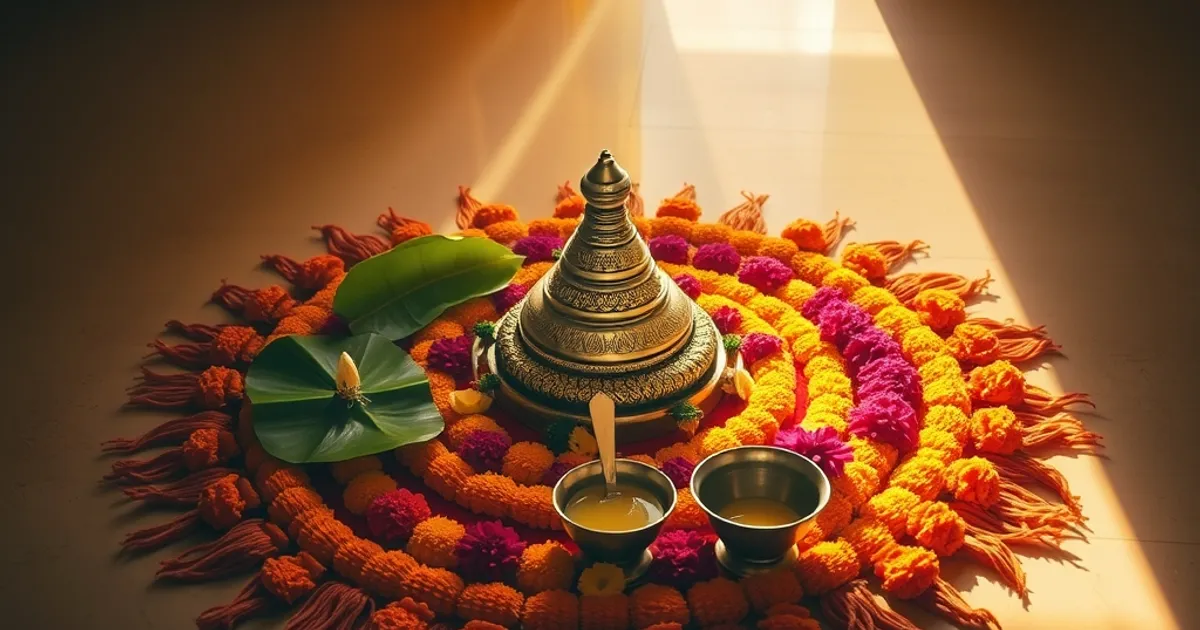
Pookalam competitions draw teams of participants who create elaborate floral carpets and are judged on design, symmetry, and variety. The competition format is popular and families spend hours sourcing the right blooms from Bay Area flower markets: marigolds, chrysanthemums, and seasonal wildflowers arranged in concentric rings that grow more complex each day of the festival.
Thiruvathirakali — the traditional group dance performed by women in white and gold — is a centerpiece of most formal programs. Bay Area groups often include classically trained performers who have studied Mohiniattam and Bharatanatyam, adding a level of polish to the choreography that reflects the community's investment in classical arts.
Sadya, served en masse, is the culmination. Community organizations coordinate cooking teams, source banana leaves, and prepare the full spread of 24-plus dishes. For attendees, it is often the closest experience to a Kerala home feast available outside the subcontinent. Dishes like avial, olan, erissery, pulissery, and two styles of payasam appear in proper sequence on the leaf.
For families observing more privately, home sadya cooking — organized through neighborhood WhatsApp groups — is equally popular. Potluck formats distribute the cooking load across families: one handles avial, another makes erissery, a third brings payasam.
Insider Tip: Many tech companies in Palo Alto and greater Silicon Valley have internal Onam cultural committees that organize events for South Indian employees. If you work at one of the major campuses, check your internal culture or diversity event calendars — these are often well-funded, catered affairs with sadya and performances. Joining your company's Kerala or South India employee resource group is the fastest way to find out about these gatherings.
Bay Area temples — a number of which serve South Indian communities across the region — include mandirs that run special Onam pujas. A search through Indian community networks or South Indian cultural directories will surface the options closest to Palo Alto.
FAQ
Q: When is Onam 2026 in Palo Alto? A: Thiruvonam, the main day, falls on approximately August 31, 2026. Community celebrations in the Bay Area typically span the full ten-day period starting around August 22.
Q: Is there a Kerala or South Indian temple in Palo Alto itself? A: Palo Alto does not have a dedicated Kerala temple, but the broader Bay Area has multiple South Indian temples that observe Onam with special pujas. Community networks will have the most current information on which temples in the region are closest to you.
Q: How do I join Bay Area Onam celebrations if I am new to the area? A: Kerala Samajam organizations and FOKANA (Federation of Kerala Associations in North America) regional chapters are the best entry points. They maintain active membership lists and publicize Onam events well in advance.
Q: What should I bring to a community Onam sadya? A: If attending a paid community event, just your appetite and a willingness to sit at long tables. For potluck gatherings, ask the organizers — standard contributions include one vegetable dish, payasam, or a traditional snack like unniyappam.
Q: Is Onam only for Malayali Hindus? A: Onam has traditionally been celebrated by all Keralites regardless of religion. Many Christian and Muslim Keralite families participate in the cultural aspects — pookalam, sadya, and games. Community events in the Bay Area generally welcome everyone.
Bottom Line
Palo Alto sits at the center of one of the most resource-rich Kerala diaspora communities in the world. For Onam 2026, that means not just remembering Mahabali but celebrating his return with the full sweep of Kerala tradition. Start with Guru Purnima 2026 on July 28, track through Nag Panchami 2026 on August 16, and arrive at Thiruvonam on August 31 having built the spiritual and culinary momentum the festival deserves. Connect early, cook together, and let Silicon Valley's Malayali community show you how diaspora celebration looks at its most organized.