
Mango Trade Dispute Fuels Outcry Among South Asian Diaspora
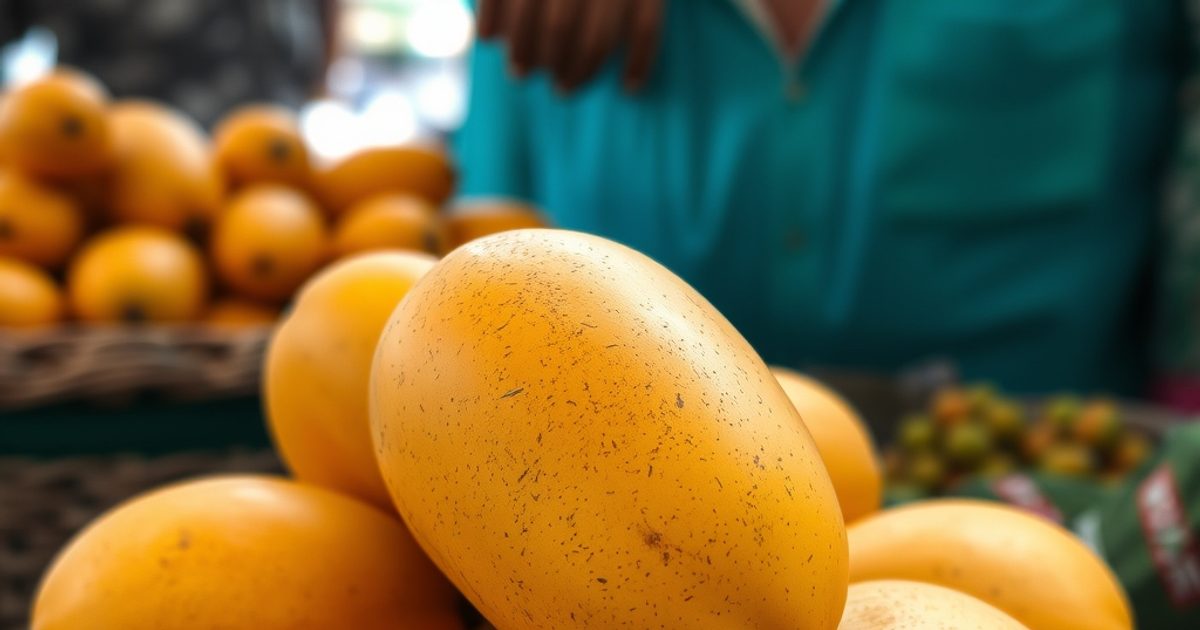
A recent controversy over the export of Indian mangoes has ignited a wave of criticism from overseas South Asian communities. The dispute, first reported by American Bazaar, centers on allegations that certain Indian exporters are violating agreed-upon quality standards and pricing norms, prompting concerns about the integrity of the fruit supply chain.
Members of the diaspora, many of whom rely on imported mangoes for cultural celebrations and everyday cuisine, have taken to social media to voice frustration. Critics argue that the alleged shortcuts not only jeopardize consumer trust but also risk tarnishing the reputation of Indian agricultural products abroad.
Trade experts note that such conflicts can have broader implications for bilateral trade relations, especially as the United States remains a key market for Indian horticulture. The situation underscores the delicate balance between meeting high demand in overseas markets and maintaining stringent quality controls at the source.
For the Desi diaspora, the mango row is more than a commercial spat; it touches on issues of cultural continuity, food sovereignty, and economic ties between the homeland and immigrant communities. Stakeholders are urging Indian authorities to investigate the claims and ensure transparent compliance, hoping to restore confidence among consumers worldwide.
The episode serves as a reminder that everyday commodities like mangoes can become flashpoints for larger conversations about trade ethics and community identity.