
Plano Desi Roundup — July 22, 2026
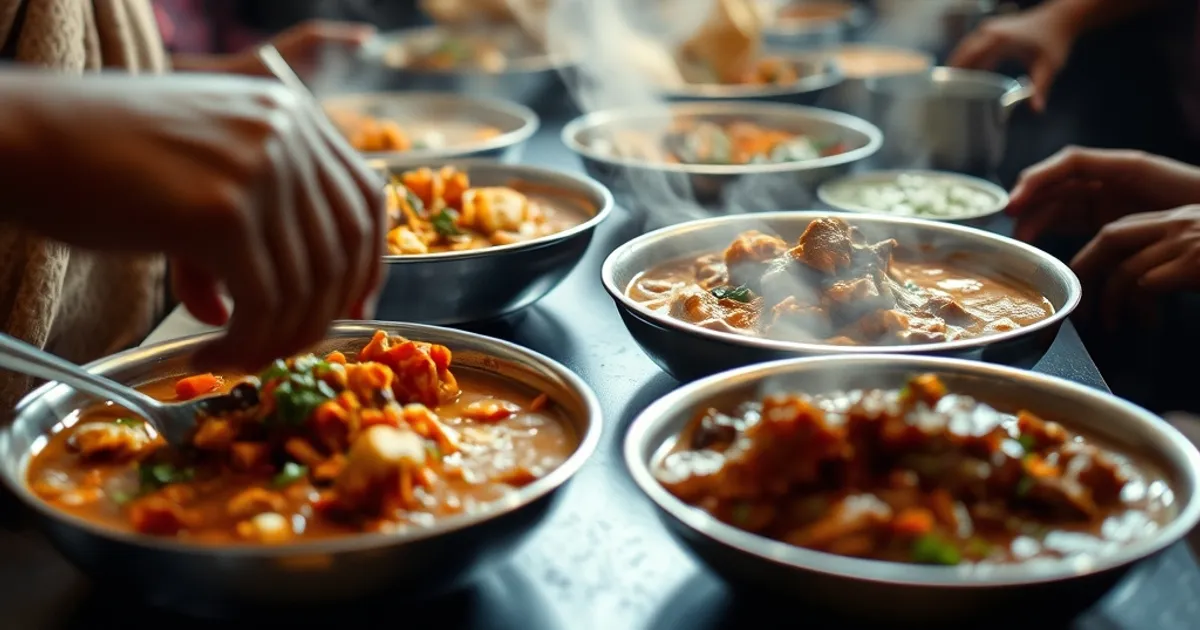
From an Indian restaurant earning national acclaim for its tasting menu to a new Pakistani concept potentially coming to Plano, the city's Desi food scene is thriving. Meanwhile, the Texas Hindu community is drawing attention to anti-Hindu sentiment from a comedian and a civic incident, renewing calls for greater religious literacy and accountability.
🍛 Jashan's Tasting Menu Earns National Acclaim
Jashan, the upscale Indian restaurant in Plano, has garnered significant national attention for its ambitious tasting menu concept, which tells the sweeping story of Indian cuisine through a multi-course culinary journey. Reviewed glowingly in D Magazine, the restaurant's tasting menu takes diners through regional traditions across the Indian subcontinent, from the coastal flavors of Goa and Kerala to the robust meat-forward dishes of the North. Chef-driven and meticulous in execution, Jashan has positioned itself among the Dallas-Fort Worth area's most compelling fine-dining experiences. Each course is accompanied by thoughtful context about the dish's cultural or regional origins, turning the meal into an education as much as a feast. For the South Asian community in Plano, the recognition is a point of pride — evidence that Indian cuisine can hold its own at the highest levels of American fine dining. The restaurant's success reflects the growing ambition of Desi restaurateurs in the Dallas metro, who are no longer content to serve familiar comfort food but are instead staking a claim in the top tier of culinary culture. [1]
🍛 Darbar by Lyari Eyes Plano Location
A promising new culinary concept is eyeing Plano as its next home. Darbar by Lyari, described as an authentic Pakistani restaurant concept, is reportedly in the planning stages for a Plano location, according to WhatNow. The brand draws its identity from Lyari, the historic and culturally rich neighborhood in Karachi known as a cradle of Pakistani folk music, art, and street food. If the Plano outpost materializes, it would bring a distinctive culinary voice to the local Desi dining scene — one rooted not in generic tropes but in specific regional and cultural traditions. Plano already boasts a diverse South Asian restaurant landscape, and the addition of a concept this intentional would be a welcome development for food lovers across the community. WhatNow reported that the concept may open in Plano, suggesting the plans are still being finalized. Desi food enthusiasts and Pakistani community members in the greater Dallas area are watching this development closely, hoping that Darbar by Lyari confirms its Plano arrival in the coming months. [4]
🪔 Comedian's Anti-Hindu Mockery Sparks Texas Backlash
A conservative comedian's mockery of Hindu practices — specifically the use of cow urine in certain religious rituals — has drawn sharp criticism from Indian Americans in Texas and beyond. American Kahani reported that the incident is symptomatic of a troubling rise in anti-Indian sentiment in the state. The comedian ridiculed the practice in a way that many Hindus found deeply offensive and rooted in ignorance rather than legitimate critique. Community leaders responded swiftly, arguing that similar mockery directed at any other religious group would generate immediate condemnation, yet anti-Hindu humor continues to be treated as acceptable. The incident adds to a pattern of episodes in Texas in which Hindu beliefs and practices have been publicly belittled without consequence. Advocacy groups are calling on media platforms and venue organizers to apply consistent standards when it comes to religious ridicule. For Plano's large Hindu community, the episode serves as a reminder that cultural acceptance cannot be taken for granted and that visibility must be accompanied by sustained civic engagement and a willingness to speak up loudly when faith is treated as fodder for cheap laughs. [3]
🤝 Hinduphobia in Texas: A Call for Recognition
A thoughtful essay in American Kahani by academic Vamsee Juluri examines what the author calls underrecognized Hinduphobia, using a Texas city council incident involving the mocking of Hindu practices as a case study. Juluri argues that anti-Hindu prejudice occupies a blind spot in the broader American conversation about religious discrimination — one that persists in part because even well-intentioned progressives sometimes fail to recognize it as a form of racism. The Texas city council episode, in which a Hindu invocation was met with derision, exemplifies how Hindu Americans can be publicly humiliated in civic spaces without triggering the same outcry that would follow similar treatment of other faith communities. The author calls for greater awareness of Hinduphobia as a distinct category of bigotry, noting that the community's relative socioeconomic success has often obscured the discrimination its members face. For the large South Asian and Hindu population in Plano and across North Texas, the essay articulates frustrations that many have felt but struggled to name, and it makes a clear case for why naming it matters for civil rights advocacy. [6]
Sources: [1] D Magazine · [4] WhatNow · [3] American Kahani · [6] American Kahani