
Scrutiny and Solidarity: Plano-Area Desi Community Navigates a Challenging Climate
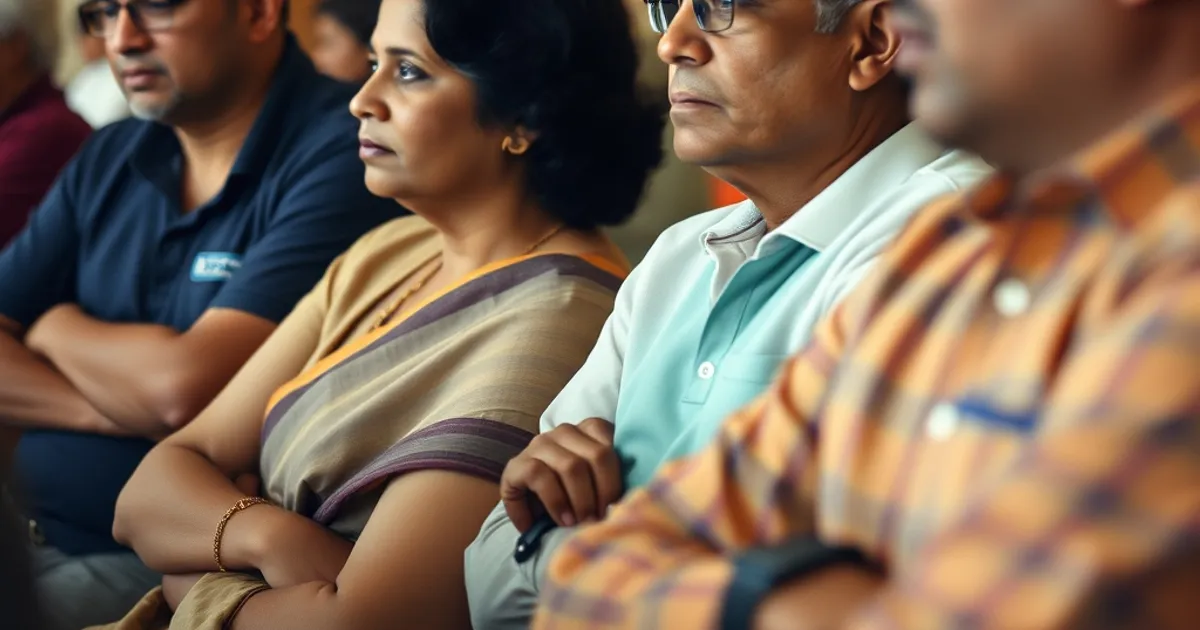
The South Asian community in and around Plano is grappling with a series of unsettling incidents — viral targeting of Indian-American employers, mockery of Hindu beliefs at a public civic forum, and a major federal fraud indictment — that together demand thoughtful attention from the Desi community.
📹 Viral Video Puts Texas H-1B Employer in the Crosshairs
A report by BlazeTV sparked renewed online scrutiny of an Indian-American employer in Texas who sponsors H-1B visa workers, continuing a pattern of viral content targeting South Asian business owners in the state. The story reflects a broader, intensifying national debate around the H-1B program and its predominantly Indian-American employer base. Critics of the program have increasingly turned to social media campaigns to apply public pressure, raising concerns within the Desi community about fairness and due process. The incident was described as the latest in a series of such targeted videos aimed at Indian-American employers in Texas. [5]
🛕 Indian Americans Walk Out After Councilman Mocks Hindu Beliefs in Texas
Indian-American attendees walked out of a Texas public meeting after a councilman named Alex Stein made remarks ridiculing Hindu religious beliefs, including references to cow urine and cow dung that were widely condemned as offensive and disrespectful. The episode drew significant outrage from Hindu and Indian-American organizations, who viewed the remarks as a clear example of Hinduphobia in a civic setting. The walkout was captured on video and circulated widely, amplifying the community's response and drawing national media attention. The incident reignited conversations about how anti-Hindu bias is often dismissed or minimized compared to other forms of religious bigotry. [3]
✊ A Scholar's Case for Taking Hinduphobia Seriously
In a perspective piece responding to the Texas city council episode, author Vamsee Juluri argues that anti-Hindu racist actions have been normalized for far too long and continue to go unrecognized by those with the institutional power to address them. The essay frames the councilman's mockery not as an isolated outburst but as a symptom of a broader cultural pattern in which Hinduphobia is trivialized or ignored. Juluri calls on media, civic leaders, and advocacy organizations to extend to Hindus the same protections and recognition afforded to other religious communities targeted by bigotry. The piece is positioned as a call to action for Indian-Americans and allies to demand more consistent standards when it comes to religious discrimination. [6]
⚖️ Two Pakistani Nationals Indicted in $10 Million U.S. Healthcare Fraud Case
Federal authorities indicted two Pakistani nationals in the United States in connection with an alleged healthcare fraud scheme totaling approximately ten million dollars. The indictment was reported by Dawn and reflects ongoing federal enforcement efforts targeting fraudulent billing and healthcare scams within South Asian diaspora networks. While the case does not appear to be located specifically in Plano, it carries relevance for the wider South Asian community as it touches on immigration status, professional conduct, and legal accountability in the United States. The case serves as a reminder of the legal risks and reputational consequences that fraud allegations can bring to diaspora communities. [4]
😔 Indian Restaurant Worker in Texas Caught in Public Indecency Incident
An employee of an Indian restaurant in Texas was filmed urinating on a public street, and the video subsequently circulated online, drawing widespread embarrassment and criticism within the Indian-American community. The American Bazaar covered the story with a tone of disappointment, reflecting community concerns about how such incidents can reflect poorly on South Asians as a whole in the public eye. The incident sparked a broader conversation about personal responsibility and the reputational stakes that individual behavior can carry for minority communities living under heightened scrutiny. While isolated, the story resonated with readers acutely aware of the fragility of community image in an already tense social climate. [2]
Sources: [5] The American Bazaar · [3] Moneycontrol.com · [6] American Kahani · [4] Dawn · [2] The American Bazaar