
Janmashtami 2026 in Pune: Events, Puja & Where to Celebrate
TL;DR
- Janmashtami 2026 brings Pune to life with midnight celebrations, Dahi Handi festivities, and temple pujas across the city
- The season is packed with cultural events: AbhangWari by Mahesh Kale, Niladri Kumaar EKKA Tour 2026, and performances by Mugdha Vaishampayan, Prathamesh Laghate, and Sangeetha Katti
- Khunya Murlidhar Mandir and Ganpati Mandir are among the city'''s beloved temple spaces for devotional celebrations
- Guru Purnima 2026 on July 29 opens the festive season before Janmashtami builds toward its peak
- This guide covers the spiritual calendar, cultural events, and how Punekars celebrate one of the year'''s most beloved festivals
Janmashtami and the Spirit of Maharashtra
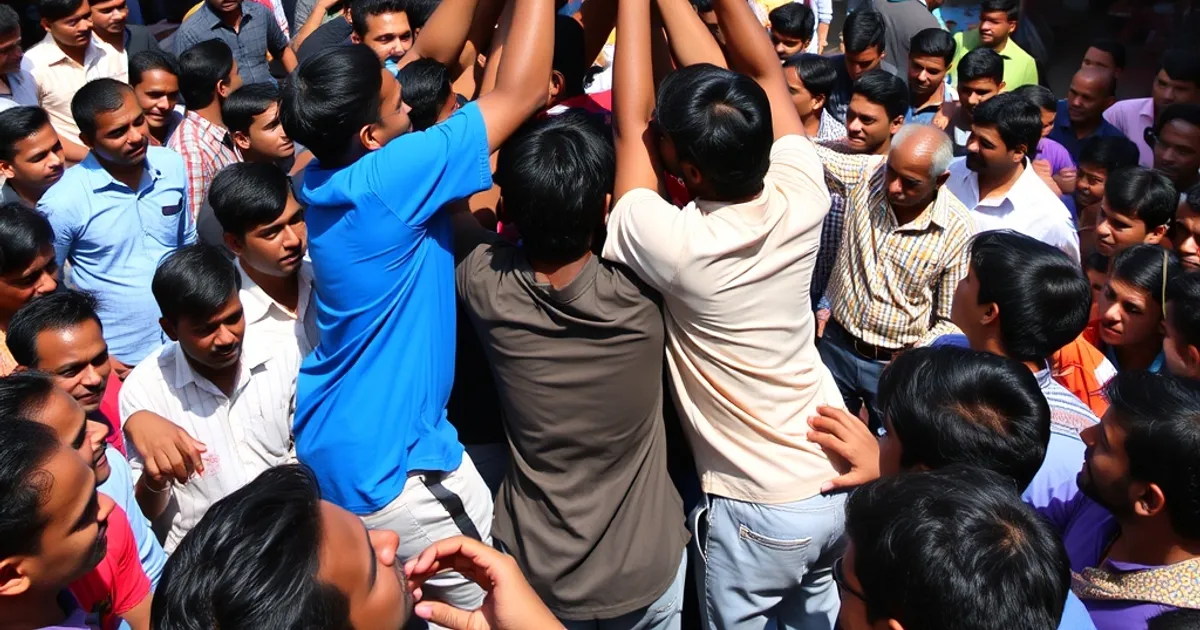
Of all the ways Janmashtami is observed across the country, Maharashtra has its own distinctive signature: Dahi Handi. The day after Janmashtami, young men form human pyramids — called govinda pathaks — to reach and break a clay pot of curd suspended high above the street. The tradition draws directly from the stories of young Krishna, notorious for stealing butter and curd from his mother Yashoda'''s kitchen. In Pune, and more broadly across Maharashtra, Dahi Handi is not merely a religious observance — it is a public spectacle, a test of teamwork and courage, and a cause for neighbourhood pride.
But Janmashtami itself, the night of Lord Krishna'''s birth, carries its own quieter intensity. Temples across the city hold midnight pujas, devotees fast through the day and break their fast only after the arti at the stroke of midnight, and the city'''s streets fill with the sound of bhajans. For Punekars, this festival combines devotional depth with communal exuberance in equal measure.
Pune'''s Temple Culture and Where to Celebrate
Pune has a temple culture that runs deep into every neighbourhood. You do not have to travel far to find a space for prayer during Janmashtami.
Khunya Murlidhar Mandir is one of Pune'''s most historically significant Krishna temples. Its name — Murlidhar meaning one who holds the flute — is another name for Krishna himself, referencing the divine musician of Vrindavan. The temple'''s Janmashtami celebrations draw large numbers of devotees for the midnight arti, and the atmosphere in the hours leading up to midnight, with lamps lit, incense burning, and bhajans filling the air, is something long-time Punekars return to year after year.
Ganpati Mandir occupies a central place in Pune'''s spiritual geography. While Ganesha is the presiding deity, the temple participates in the broader festival calendar of the city, and its location makes it a natural gathering point for devotees during Janmashtami who combine a visit to Ganesha with their Krishna celebrations — seeking the remover of obstacles before the night'''s main prayers begin.
Dulya Maruti is another beloved neighbourhood temple, part of the city'''s fabric of local worship. Maruti — another name for Hanuman — is deeply revered in Maharashtra, and temples like Dulya Maruti are places where the everyday devotion of ordinary Punekars finds expression, particularly during festival seasons when the city'''s spiritual energy concentrates.
Sri Balaji Mandir brings the Tirupati tradition to Pune, drawing devotees from across the city who seek the blessings of Lord Venkateswara. During Janmashtami, Balaji temples often hold special programmes that draw together the city'''s communities.
Katraj Jain Temple, Aagam Mandir represents the Jain community'''s presence in Pune'''s spiritual landscape. While Jain festivals follow their own calendar, the broader period around Janmashtami is a time of heightened religious activity across traditions in the city.
The Cultural Calendar: Events and Performances
What makes Janmashtami 2026 in Pune especially rich is that the festival falls within a season packed with cultural programming of the highest order.
AbhangWari by Mahesh Kale on July 25 is a landmark event. Mahesh Kale is one of the foremost exponents of the Kirana gharana in classical Hindustani music, and his AbhangWari concerts — dedicated to the devotional poetry of the Varkari saints — draw audiences who understand that an abhang is not just a song but a form of prayer. Abhang poetry, composed by saints like Tukaram and Dnyaneshwar, is intimately connected to the Vaishnava tradition, making this concert a spiritually resonant prelude to Janmashtami.
Niladri Kumaar EKKA Tour 2026 on July 25 brings sitar music of extraordinary refinement to the city. Niladri Kumaar'''s electric sitar innovations have made him one of the most distinctive voices in contemporary Hindustani music. A concert on the same evening as AbhangWari by Mahesh Kale makes July 25 an exceptional night for music lovers in Pune.
Mugdha Vaishampayan, Prathamesh Laghate, and Sangeetha Katti perform together on July 31. These are names that carry significant weight in Marathi classical and semi-classical music. Mugdha Vaishampayan and Prathamesh Laghate are known for their mastery of traditional Marathi musical forms, while Sangeetha Katti brings her own depth to the programme. Together, they create a concert experience that speaks directly to Pune'''s identity as a city that takes its classical arts seriously.
Papon on August 1 brings the beloved Assamese folk and indie artist to Pune. Papon'''s music ranges from folk to film to devotional, and his concerts are known for their warmth and emotional accessibility. Coming right on the heels of Janmashtami, his August 1 performance gives the festive season a musical afterglow.
Pradosh Vrat on July 27 and Guru Purnima 2026 on July 29 anchor the spiritual side of the season. Guru Purnima is observed with visits to teachers, expressions of gratitude, and communal gatherings. The Purnima on the same date marks the full moon of Ashadha, a powerful moment in the devotional calendar.
Seed Business School Festival 2026 on July 28 signals that Pune'''s calendar is not only about the arts and religion — the city'''s identity as an education hub means that even in the middle of the festival season, intellectual life continues with energy.
Insider Tip: For Dahi Handi in Pune, the govinda teams typically start building their pyramids around mid-morning on the day after Janmashtami. Neighbourhoods around Sadashiv Peth, Kasba Peth, and Deccan are traditional strongholds for the festivities. Arrive early and find a spot with clear sightlines before the crowd builds. Carry water — the morning can get warm quickly, and the energy of the crowd generates considerable heat.
Fasting and Prasad Traditions
Janmashtami fasting in Maharashtra has its own regional character. Many devotees observe a full fast — nirjala, without water — until midnight, while others permit fruits and dairy. The panchamrit — a mixture of milk, curd, honey, ghee, and sugar — is prepared at home and offered to the deity before being distributed as prasad. Makhan (butter) and mishri (rock sugar) are traditional offerings to Krishna, referencing his childhood love of dairy.
In many Pune households, the entire family stays awake until midnight, with younger children dressed as Krishna and Radha for home programmes and performances. The midnight arti, performed to the sound of conch shells and bells, marks the moment of Krishna'''s birth — and the fast is broken immediately afterward, often with sweets made from sabudana (tapioca) or rajgira (amaranth) flour.
FAQ
When is Janmashtami in 2026? Janmashtami in 2026 falls in mid-August. The exact date of the midnight celebration varies slightly by regional tradition — confirm the observance date with your temple or a reliable Panchang for Pune.
What is Dahi Handi and when does it happen? Dahi Handi takes place the morning after Janmashtami night. Teams of young men called govindas form human pyramids to reach and break a suspended pot of curd. In Pune, local govinda pathaks compete with great enthusiasm.
Which temples in Pune are best for Janmashtami celebrations? Khunya Murlidhar Mandir is particularly significant for Janmashtami. Ganpati Mandir and Sri Balaji Mandir also hold special observances. Check with each temple for confirmed programme schedules.
Can I attend the cultural concerts mentioned above? AbhangWari by Mahesh Kale, the Niladri Kumaar EKKA Tour 2026, and the concert featuring Mugdha Vaishampayan, Prathamesh Laghate, and Sangeetha Katti are ticketed events. Check event platforms for availability and venue details.
What foods are traditionally made for Janmashtami? Panchamrit, makhan-mishri, gopalkala (a mix of poha, curd, and fruits), and sabudana-based fasting foods are all traditional. Sweets like panjiri and charnamrit are also common prasad items.
Bottom Line
Janmashtami 2026 in Pune arrives within a season that is remarkable even by this city'''s high cultural standard. From the devotional depth of AbhangWari by Mahesh Kale on July 25 to the exuberant Dahi Handi tradition, from quiet midnight pujas at Khunya Murlidhar Mandir to the performances of Mugdha Vaishampayan, Prathamesh Laghate, and Sangeetha Katti, the city offers a full spectrum of ways to mark Lord Krishna'''s birth. Guru Purnima 2026 sets the spiritual tone in the final days of July, and the energy builds through to Janmashtami and beyond. This is Pune at its most alive.