
Onam 2026 in Salt Lake City: Events, Puja & Where to Celebrate
TL;DR 🌸
- Thiruvonam falls around August 31, 2026 — plan around the full ten-day Onam season starting with Atham.
- Salt Lake City's Malayali and South Indian expat community gathers for pookalam competitions, sadya feasts, and cultural programs.
- Mark your calendar early: Guru Purnima 2026 on July 29 opens the festive season; Nag Panchami 2026 on August 16 brings the final sprint.
- Celebrations happen through Indian cultural associations and rented community halls — no dedicated Kerala temple in the metro area.
- Reach out to local Malayali associations months in advance; events fill fast in a tight-knit community.
What Onam Means for Salt Lake City's Indian Community
Onam is the grandest festival in the Kerala calendar — a ten-day harvest celebration rooted in the legend of King Mahabali, who returns each year to visit his beloved people. For the Desi/Indian community spread across Salt Lake City and the wider Wasatch Front, Onam arrives as a moment to reconnect with roots that feel far from the backwaters of Kerala but no less vivid.
Utah's South Indian expat community is concentrated in the tech corridors of Salt Lake City and Provo, as well as the medical campuses tied to the University of Utah and Intermountain Health. Engineers, physicians, and their families have built cohesive networks over the past two decades. Onam is one of the few occasions that pulls the entire Malayali cluster together regardless of denomination or regional background within the state.
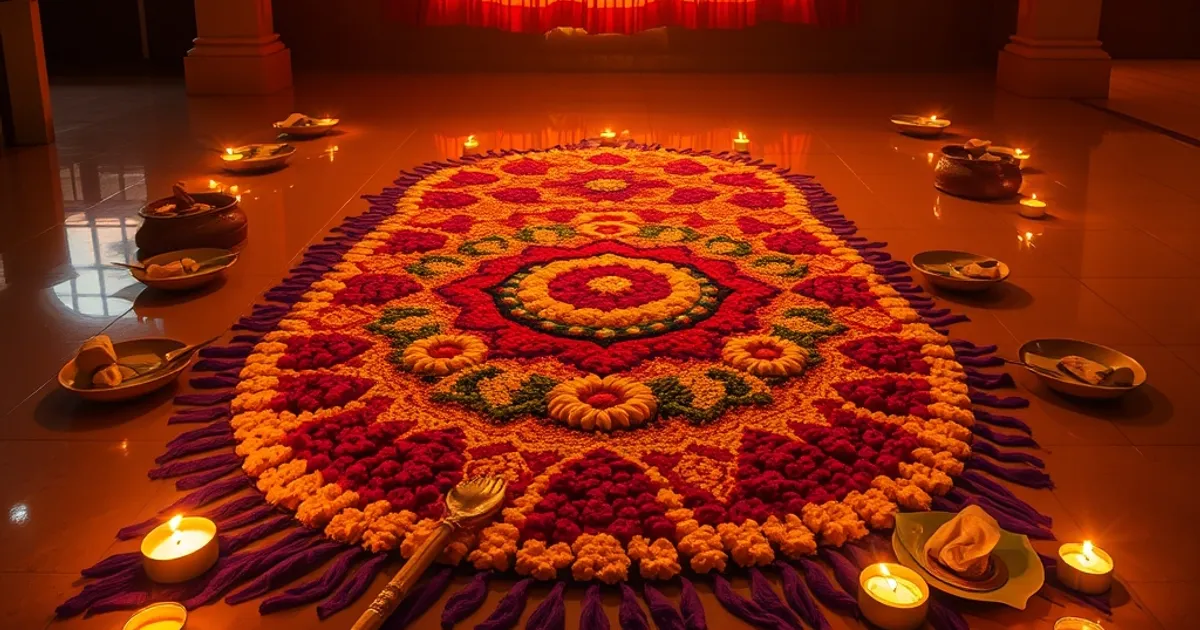
The festival's hallmark traditions translate well to diaspora settings. The pookalam — the intricate floral carpet laid out in concentric rings — can be assembled in any hall with flowers sourced from local nurseries. The sadya, a vegetarian feast served on banana leaves, scales from a family kitchen to a banquet hall of three hundred. Thiruvathirakali, the graceful group dance performed by women, travels wherever dancers and music travel. Salt Lake City's Malayali associations have shown for years that none of this requires Kerala soil.
The 2026 Festival Calendar: From July Through Thiruvonam
Onam does not arrive in isolation. The weeks leading up to Thiruvonam are layered with auspicious observances that set the devotional tone for the broader Hindu community.
Guru Purnima 2026 on July 29 is the first significant marker on the calendar — a full moon day honoring spiritual teachers and gurus. Many Hindu families across Salt Lake City observe it with prayer, fasting, and visits to local temples. The day also carries the energy of Purnima, the full moon itself, which holds importance for ritual purity across multiple Hindu traditions.
Sankashti Chaturthi on August 2 is observed by devotees of Lord Ganesha and signals that the devotional calendar is already in full motion by early August. The fast runs from sunrise until moonrise, followed by prayers and moonrise-time puja.
Ekadashi on August 8 is a bimonthly Vishnu observance falling on the eleventh lunar day. Vishnu's presence is woven into Onam mythology through his avatar Vamana, making Ekadashi a particularly resonant date for Onam-observing households.
Pradosh Vrat on August 10 honors Shiva during the twilight hours of the thirteenth lunar day. Amavasya on August 12 is the new moon — a time for ancestral remembrance and charitable acts in most Hindu households.
Then comes Nag Panchami 2026 on August 16, the serpent deity festival observed five days after Amavasya. Families offer milk at serpent images and visit temples. Nag Panchami marks the start of the upper arc leading into Onam's ten-day span. By the time Atham arrives around August 22, families who have been tracking the monthly calendar are already in a heightened ritual mode.
Thiruvonam itself falls around August 31, 2026 — the climactic day when pookalam competitions reach their peak and the sadya is served at its most elaborate.
How Salt Lake City's Desi Community Celebrates Onam
Because the Salt Lake City metro does not yet have a dedicated Kerala or South Indian temple, Onam celebrations depend entirely on community organizing. Malayali associations affiliated with networks like the Federation of Kerala Associations in North America typically rent banquet halls or church fellowship halls for the main program.
A typical Salt Lake City Onam event runs from mid-morning through early evening. The pookalam display is competitive — families or assigned teams bring flowers and arrange them in concentric circles on the floor over several hours. A cultural program follows: Thiruvathirakali, Oppana, and Mohiniyattam performed by children and adults trained in Indian classical arts. The sadya is the centerpiece — twelve to twenty-four side dishes arranged on a banana leaf in the correct sequence, starting with papadum and ending with payasam.
Some years, outdoor events at local parks coincide with the main hall program. The contrast between Utah's desert mountains and the tropical lushness Onam evokes is not lost on participants — in fact, many community members say it intensifies the longing the festival is meant to channel.
For 2026 confirmed event details, check with Malayali cultural groups active in the Salt Lake City and Provo areas, and follow Desi.Net listings as summer approaches.
Insider Tip: Register for Onam events as early as possible. Popular sadya programs in smaller Desi markets like Salt Lake City sell out weeks in advance because venues are limited and the community is concentrated. If you are new to the area, posting in the Salt Lake City subreddit's Desi threads or local community WhatsApp groups is the fastest way to find the right contact before the season books up.
FAQ
Q: When exactly is Thiruvonam 2026? A: Thiruvonam, the most sacred day of Onam, falls around August 31, 2026. The full ten-day festival begins around Atham, approximately August 22.
Q: Is there a Malayali temple in Salt Lake City? A: As of 2026, there is no dedicated Malayali or Kerala Hindu temple in the Salt Lake City metro. The South Indian and broader Indian Hindu community has established temples in the region, but Onam celebrations are organized by community associations rather than a dedicated temple.
Q: What is served at a traditional sadya? A: Sadya is a vegetarian feast served on a banana leaf. It includes rice, sambar, avial, thoran, olan, pachadi, pickle, papadum, and multiple varieties of payasam. Dishes arrive in a specific ceremonial order, served by volunteers who move down the rows.
Q: Can non-Malayalis attend Onam events in Salt Lake City? A: Yes. Diaspora Onam celebrations are generally open and welcoming to all South Asians and curious guests from any background. Many community associations sell tickets to the public.
Q: How do I find the 2026 Onam event in Salt Lake City? A: Follow local Malayali associations on social media, check Desi.Net's Salt Lake City event listings, and look for community Facebook pages or WhatsApp groups serving the Utah Indian diaspora.
Q: Do I need to bring anything to a pookalam competition? A: If you are participating as a team, bring flowers — many competitors source marigolds, chrysanthemums, and rose petals from local nurseries or Indian grocery stores. If attending as a guest, nothing is required.
Bottom Line
Onam 2026 gives Salt Lake City's Indian community an anchor point in the late-August stretch — a moment to set down work, cook together, compete on pookalams, and sit shoulder to shoulder on banana leaves. The devotional calendar that builds from Guru Purnima 2026 on July 29 through Sankashti Chaturthi on August 2, Nag Panchami 2026 on August 16, and into Thiruvonam on August 31 creates a full season of celebration rather than a single event. For anyone Malayali or simply curious about the feast, Salt Lake City's community will likely have a seat for you at the table.