
Finding Your Temple & Community in Austin
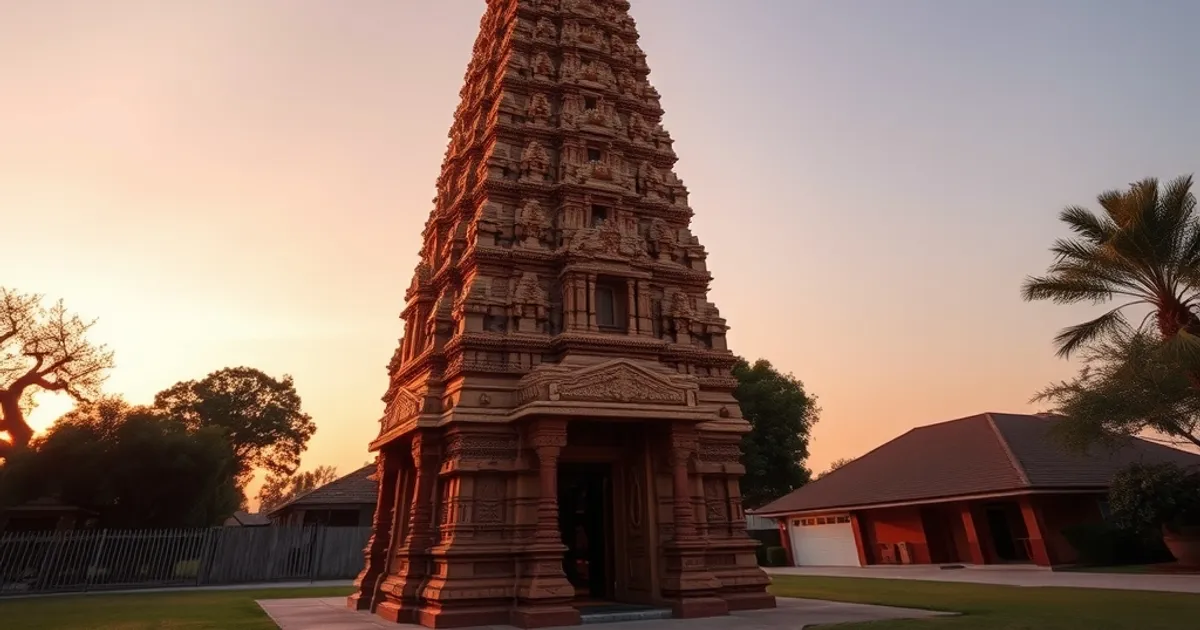
TL;DR
- Austin's Indian/Desi spiritual scene spans Jain, Vedantic, Vaishnava, Shaiva, and Buddhist traditions across multiple neighborhoods
- Several centers offer structured children's education — valuable for families raising kids with cultural roots intact
- Major festivals like Prathista and Janmashtami draw Austin's Indian community together at scale, often requiring early registration
- University students have a dedicated Indian/Desi faith space through Hindu Students Association on the UT campus
- No single temple covers every tradition — visiting multiple centers is the best way to find your fit
The Indian/Desi Spiritual Landscape Across Austin 🏛️
Austin's Indian-origin resident population has grown steadily over the past two decades, and the spiritual and community infrastructure has grown alongside it. The city now hosts Jain, Hindu Vedantic, Vaishnava, Shaiva, Tibetan Buddhist, and Sai devotional communities — a range that rivals metropolitan areas several times Austin's size.
What sets Austin apart from other diaspora cities is the intentional community-building within each tradition. These are not passive congregations. They run children's education programs, literary circles, seva networks, and campus groups. Finding your spiritual home here is less about locating a building and more about identifying an organization whose calendar, language, and approach to practice match your own background and priorities.
The Indian community in Austin is geographically spread — from the domain area near Burnet Road to communities farther east and north. This means most residents will not be walking distance from their temple of choice, and planning around event schedules matters more than proximity.
Jain Community: Jain Sangh of Greater Austin 🙏
For Austin's Jain families, Jain Sangh of Greater Austin (2000 Windy Terrace) serves as the spiritual and social anchor. The derasar holds regular puja and aarti, and the pathshala provides structured religious education for children — covering subjects like Jain history, the stories of the Tirthankaras, and the principles of ahimsa and aparigraha.
Major events like the Prathista bring Jain families together from across Central Texas. These consecration ceremonies are among the most significant observances in the Jain calendar, and the sangh organizes them with care for traditional practice. The community is tight-knit and accustomed to welcoming newly arrived Indian families.
Insider Tip: Contact Jain Sangh of Greater Austin at +1-512-796-2914 well ahead of Paryushana and Prathista events. Parking and seating fill early at large festivals, and reaching organizers in advance ensures you don't miss the core rituals of the Jain observance year. The community is warm toward first-time visitors, but early coordination genuinely helps.
Vedantic Study and Balavihar: Chinmaya Mission Austin 📚
Chinmaya Mission Austin (12825 Burnet Rd) operates within the tradition established by Swami Chinmayananda. The emphasis is on jnana — the study of Vedantic philosophy, the Upanishads, and the Bhagavad Gita — alongside devotional practice and community service.
The Balavihar program at Chinmaya Mission Austin is among its most valued offerings for Indian families. Children receive structured instruction in Indian values, Sanskrit vocabulary, and scriptural stories from the Mahabharata and Ramayana. Adults can participate in regular Geeta Chanting sessions and guided study groups. The onsite bookstore stocks Vedantic literature, Sanskrit primers, and philosophical commentaries that are difficult to source through general retail.
This center tends to attract Indian families who want their children to understand the philosophical foundations of their tradition alongside its rituals — and who are looking for an English-language setting where Vedantic concepts are explained clearly rather than assumed.
Temple Complexes and Vaishnava Centers 🛕
Austin Hindu Temple And Community Center (9801 Decker Lake Rd) is among the largest formal temple complexes in the city. It hosts major Hindu festival celebrations across the calendar year, drawing from the broad Indian community across Austin. The scale makes it a natural venue for large community gatherings and deity celebrations.
Sri Sri Radha Damodar Temple INC (10700 Jonwood Way) follows the Gaudiya Vaishnava tradition. Daily kirtan, Krishna-centered devotional programs, and prasadam service define the rhythm of this temple. The community draws from Austin's Indian families as well as practitioners who have come to Vaishnava practice through bhakti traditions.
Jkp Radha Madhav Dham (400 Barsana Rd) is affiliated with Jagadguru Kripalu Parishat and centers devotional practice on Radha-Krishna bhakti. The grounds and regular programs attract Indian devotees from across the wider Austin metro.
Shaiva, Sai, and Devotional Communities
Sri Sai Satyanarayana Temple (9707 Anderson Mill Rd) brings together Shirdi Sai Baba devotion and Satyanarayana puja traditions, serving a significant portion of Austin's Telugu-speaking Indian community. Weekly and monthly puja programs maintain consistent community engagement throughout the year.
Sai Seva (11123 Alison Park Trl) focuses on devotional service in the Sai Baba tradition, grounding its community in the understanding that selfless seva is itself a form of spiritual practice.
Language, Literature, and Campus Life 🎓
The Vishnupuram Literary Circle (11608 Spicewood Pkwy Unit 3) addresses a dimension of Indian diaspora community life that temples alone cannot serve: regional language and literary heritage. Focused on Telugu literature and cultural programming, this organization connects Austin's Telugu-speaking Indian families with their regional tradition in a way that goes beyond temple attendance.
For Indian students arriving at the University of Texas for the first time — often far from family and established community — Hindu Students Association (715 W 23rd St) offers immediate connection. The organization provides religious observances calibrated to campus schedules, peer community, and a social network that can make an enormous practical difference in those first months in a new city.
Vajradhatu (1702 S 5th St) brings Tibetan Buddhist teaching and practice to Austin. While distinct from South Asian Hindu traditions in lineage, it connects with broader Indian-origin spiritual philosophy and serves practitioners drawn to that contemplative path.
FAQ ❓
Q: How do I know which Austin temple suits my family's background? Regional and sectarian background matters most. Gujarati and Rajasthani families often gravitate toward Jain Sangh of Greater Austin or Vaishnava centers. Telugu families frequently connect with Sri Sai Satyanarayana Temple. Visiting a few centers before committing is the standard approach.
Q: Are children's programs available at multiple centers? Yes. Chinmaya Mission Austin offers Balavihar and Jain Sangh of Greater Austin runs pathshala. Other centers may have youth programs — contact them directly for current offerings.
Q: Can I attend temple events without being a formal member? Most of Austin's Indian temples welcome visitors to public programs and festivals without requiring formal membership. Study groups and classes may ask for registration.
Q: Is there a university-affiliated Indian faith group? Hindu Students Association operates at 715 W 23rd St and serves the UT Austin campus community specifically.
Q: How do I stay updated on festival dates and events? Each organization maintains its own mailing list or social media presence. Contacting centers directly is the most reliable way to receive accurate, current schedules.
Bottom Line 🌟
Austin's Indian/Desi spiritual community is larger and more differentiated than most newcomers anticipate. From the Jain derasar at Jain Sangh of Greater Austin to the Vedantic study groups at Chinmaya Mission Austin, from large formal temple complexes to devotional centers rooted in Telugu, Vaishnava, and Sai traditions — the city offers genuine pathways for a wide range of practices. The Indian community here has built institutions that go well beyond weekend worship. Engaging with these communities early is one of the most reliable ways to establish roots in Austin as an Indian/Desi newcomer.