
A Vegetarian & Jain Dining Guide to Colombo
A Vegetarian & Jain Dining Guide to Colombo
For anyone navigating a plant-based or Jain lifestyle in this city, the good news is that Colombo genuinely has you covered — if you know where to look. Whether you are strictly no-onion-no-garlic, fully vegan, or simply prefer a meal that skips the meat, this guide maps out the most reliable spots and the practical knowledge that makes dining out stress-free.
TL;DR
- 🌿 Colombo has dedicated pure vegetarian restaurants — no cross-contamination anxiety required.
- 🧅 Jain diners should always ask specifically about onion and garlic; many kitchens will accommodate with advance notice.
- 📍 Ananda Bhawan, Amirthaa, and Arunthathee Vihaar are three verified pure-veg anchors worth bookmarking.
- 🍛 South Indian tiffin culture is alive and well here — idli, dosa, and sambar are often the safest and most satisfying choices.
- 💬 Learning a few Tamil or Sinhala words for your dietary needs goes a long way with kitchen staff.
Why Pure Vegetarian Matters in Colombo
There is a meaningful difference between a restaurant that offers vegetarian options and one that is purely vegetarian. In a shared kitchen, the same tawa that cooked fish cutlets five minutes ago might be used to press your dosa. For Hindu devotees observing fasting days, Jain families, and anyone with a strict plant-based practice, that gap is not trivial — it is the whole point.
Pure vegetarian restaurants eliminate that worry at the source. No meat enters the premises, which means the oils, the utensils, the cooking surfaces, and the hands preparing your meal have never touched flesh. That peace of mind is exactly what this guide is built around.
The Verified Pure-Veg Anchors 🌱
Ananda Bhawan Pure Vegetarian Hotel is one of the most well-known addresses on Colombo's vegetarian circuit. You can explore their current menu and get up-to-date details at their website — anandabawan.lk — or reach them directly at +94 777 421 309. The name itself signals their commitment: pure vegetarian is not a section of the menu here, it is the entire menu.
Amirthaa Pure Vegetarian sits at 256A Galle Road and is reachable at +94 11 2590254. The Galle Road address puts it in a busy, accessible corridor, and the Sri Lankan cuisine focus means you are likely to find rice-and-curry combinations alongside more familiar South Indian preparations.
Arunthathee Vihaar Vegetarian Restaurant is located at No. 341 Main Street and can be contacted at +94 112 441 246. The word vihaar carries a sense of sanctuary, and that spirit tends to come through in spaces like this — calm, purposeful, and built around honest, wholesome food.
For all three, call ahead to confirm current hours before making the trip, especially around public holidays or poya days when trading hours can shift.
Navigating Jain Requirements Specifically
Jain dietary practice goes several steps further than standard vegetarianism. Root vegetables — onion, garlic, potatoes, carrots, beetroot — are avoided because harvesting them destroys the entire plant. Some Jains also avoid eating after sunset. These requirements are specific enough that a blanket vegetarian label does not automatically make a restaurant Jain-friendly.
The practical approach is to call ahead, explain your requirements clearly, and ask whether the kitchen can prepare a no-onion, no-garlic dish. Most South Indian kitchens in Colombo are genuinely familiar with this request — particularly around Jain community clusters and near Hindu temples — and many will accommodate you with a little notice. Dishes like plain rice, dal made without tempering in onion, coconut-based chutneys, and certain dry sabzis are naturally easier to prepare in a Jain-compliant way.
During festivals like Paryushana or on auspicious fasting days, kitchen staff at experienced restaurants understand the rhythm of these requests and are often happy to help.
💡 Desi Insider Tip: When you arrive at any restaurant and are unsure whether the kitchen truly avoids onion and garlic, ask for the sambhar ingredients specifically. If they cannot confirm it is onion-free, order the plain coconut chutney and idli instead — those two are almost always safe, and they are a meal worth having on their own terms.
South Indian Tiffin: The Everyday Vegetarian Lifeline
If there is one culinary tradition that makes plant-based eating in Colombo genuinely joyful rather than just manageable, it is South Indian tiffin culture. Idli, vada, dosa, upma, pongal — these dishes are built from lentils, rice, and fermented batters, which means they are naturally meatless and almost always available at pure-veg establishments from morning through to early afternoon.
The fermented quality of idli and dosa batter also makes these dishes easier to digest, which is a quiet bonus for anyone with a sensitive stomach. A strong filter coffee to finish is essentially non-negotiable.
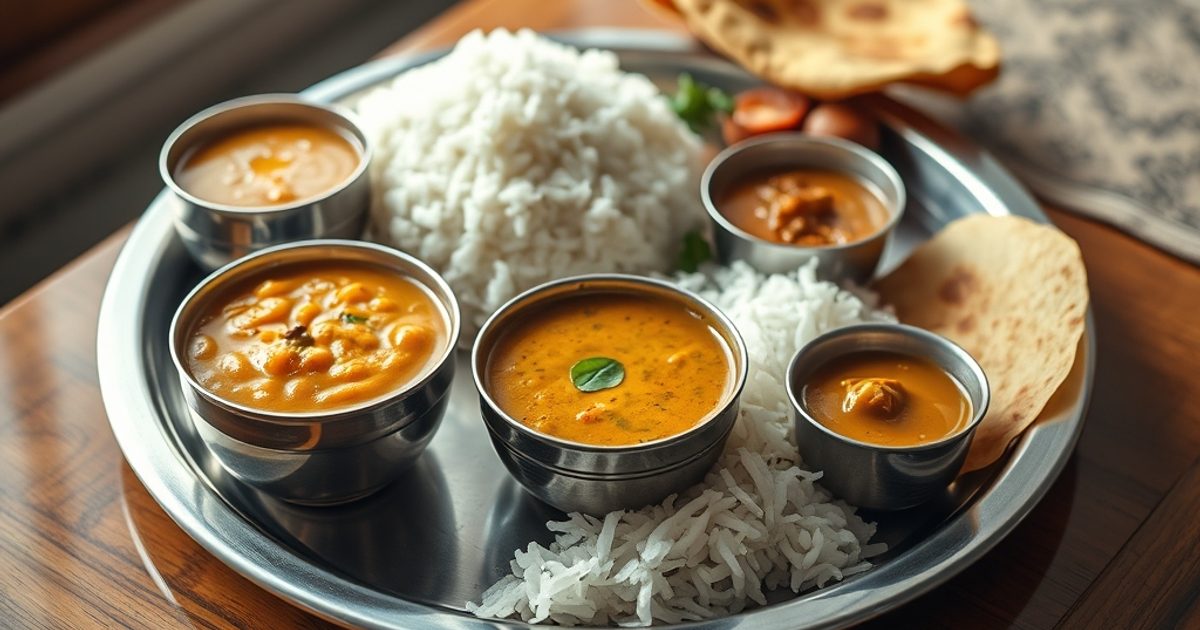
Lunch thali service at pure-veg restaurants typically runs through the afternoon and is one of the better-value meals you can find in the city — multiple small portions of rice, dal, sambar, rasam, poriyal, and pickle on a single plate (or banana leaf, if you are fortunate).
Eating Near Hindu Temples and Religious Landmarks
Some of the most dependable vegetarian meals in Colombo are found in the lanes surrounding active Hindu temples. Vendors and small eateries near temple complexes have historically catered to devotees who observe strict vegetarian practice, and that tradition continues. The food is rarely fancy, but it is almost always sincere — made with the understanding that what goes into it matters spiritually as much as culinarily.
If you are visiting a temple for a festival or a regular puja, scoping out the small restaurants and stalls immediately nearby is a reliable strategy for a clean, affordable meal afterwards.
Practical Tips for Every Vegetarian Outing
A few habits that make dining out consistently easier:
Confirm "pure vegetarian" verbally when you arrive, even if the signage says so. Kitchen practices can vary and a quick confirmation takes three seconds.
If you are vegan as well as vegetarian, ask specifically about ghee and dairy. Many South Indian dishes use ghee generously and it is not always obvious from the menu description.
For Jain travellers visiting Colombo rather than living here, downloading a translation of your key dietary needs in Tamil and Sinhala beforehand is practical and shows genuine respect to the kitchen staff.
Weekend mornings tend to be the busiest time at pure-veg establishments, particularly for breakfast tiffin. Arriving early or going slightly off-peak means better service and fresher batches of batter.
FAQ
Q: Are there fully vegan options at pure vegetarian restaurants in Colombo? Many dishes are naturally vegan, but dairy — especially ghee and paneer — appears regularly in South Indian and North Indian cooking. Ask the kitchen to confirm which dishes are made without any dairy, and most will be genuinely helpful.
Q: How do I find out if a restaurant is truly Jain-friendly rather than just vegetarian? Call ahead and ask directly whether they can prepare dishes without onion, garlic, or root vegetables. A kitchen that understands the request without you needing to explain it in detail is usually a reliable sign.
Q: Is it easy to eat vegetarian in Colombo more broadly, beyond dedicated pure-veg spots? Yes — vegetarian dishes appear on most menus across the city. The distinction is that in a non-dedicated kitchen, the risk of cross-contamination or the use of shared oils is real. For strict observers, pure-veg restaurants are the more dependable choice.
Q: Do pure vegetarian restaurants in Colombo serve alcohol? Pure vegetarian establishments, particularly those with a devotional or temple-adjacent character, typically do not serve alcohol. This is generally consistent across the venues in this guide.
Q: What is the best way to get current hours and menu details? Contact the restaurants directly using the phone numbers listed in this guide, or visit their websites where available. Hours can shift around public holidays, poya days, and festival seasons.
The Bottom Line
Eating vegetarian or Jain in Colombo is not a compromise — it is a genuinely rich culinary experience when you know which doors to walk through. Ananda Bhawan, Amirthaa Pure Vegetarian, and Arunthathee Vihaar give you three solid starting points, and the broader culture of tiffin, thali, and temple-adjacent food fills in everything around them. The key is knowing what to ask, arriving with a little preparation, and leaning into a food tradition that has always treated plants with real seriousness.
For more local guides, community recommendations, and neighbourhood-specific tips, keep exploring Desi.Net — your home for everything that matters to life in Colombo.