
Janmashtami 2026 in Colombo: Events, Puja & Where to Celebrate
Janmashtami 2026 in Colombo: Events, Puja & Where to Celebrate
Janmashtami is one of those festivals that turns an ordinary night into something electric — the midnight moment when Lord Krishna is said to have been born fills Hindu temples and family homes alike with devotion, colour, and the kind of joy that spills out into the street. In Colombo, where the community takes its festivals seriously, the build-up to Janmashtami 2026 is well worth planning for. This year, Krishna Janmashtami falls on Friday, 4 September 2026, giving you a weekend run-up to prepare, celebrate, and savour every tradition.
TL;DR
- 🗓️ Krishna Janmashtami 2026 is on Friday, 4 September — mark your calendar now.
- 🛕 Visit a Hindu temple in Colombo for the midnight puja and abhishekam; arrival by 10 PM is wise.
- 🌸 The weeks before are packed with observances — Raksha Bandhan on 28 August and Nag Panchami on 17 August are lovely warm-up celebrations.
- 🍚 Prepare or seek out traditional foods like gopalkala, panchamrit, and makhan-mishri for the fast-breaking feast.
- 🎶 If you need a festive mood-setter beforehand, Yohani performs at Musaeus College Auditorium on 7 & 8 August — a great community outing in the lead-up season.
Why Janmashtami Feels Special in Colombo
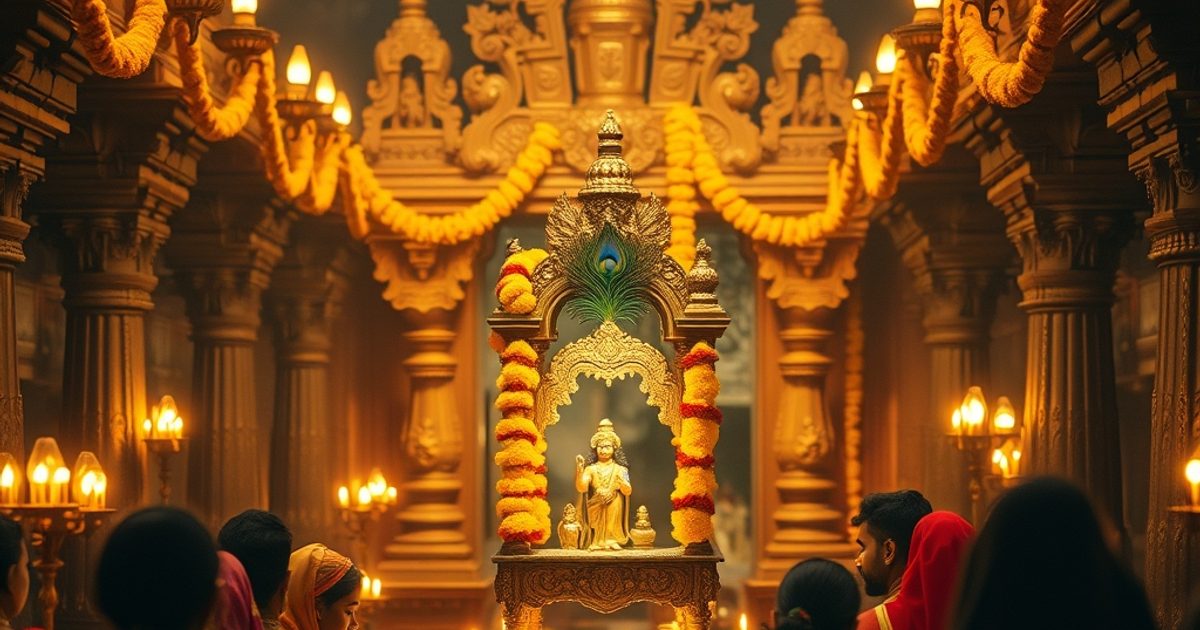
Unlike many cities where this festival is a niche affair, Colombo celebrates Janmashtami with genuine communal warmth. Hindu temples across the city host elaborate overnight programmes — devotional singing, dramatic enactments of Krishna's childhood stories, and the deeply moving midnight abhishekam when a small idol of the newborn Krishna is bathed and placed in a decorated cradle. Families who have observed this puja for generations pass the rituals down with quiet pride, and newcomers are always welcomed in.
The festival also carries an inclusive spirit. You do not need to be particularly devout to attend a temple celebration — curiosity and respect are entirely sufficient. Many Colombo households that rarely observe other Hindu festivals still fast on Janmashtami and break it at midnight with sweets and dairy offerings, a tradition that connects even the most secular among us to something older and sweeter.
The Sacred Calendar Leading Up to 4 September 🗓️
Janmashtami does not arrive in isolation — the Hindu calendar in the weeks before is rich with observances that set a devotional tone. Here is what to note:
17 August — Nag Panchami: A day dedicated to serpent deities, traditionally marked with milk offerings and prayers for protection. Many families visit Hindu temples in the morning.
23 August — Ekadashi: The eleventh lunar day is a fasting day observed by Vaishnavas — particularly meaningful in the run-up to a festival honouring Lord Vishnu's most beloved avatar.
26 August — Pradosh Vrat: A twilight fast dedicated to Lord Shiva, observed on the thirteenth lunar day.
28 August — Raksha Bandhan: Sisters tie the sacred thread (rakhi) on their brothers' wrists, exchanging sweets and pledging mutual care. A wonderful family moment just days before the big celebration.
1 September — Sankashti Chaturthi: A Ganesha observance on the fourth lunar day of the dark fortnight — a fitting way to invoke the remover of obstacles before Janmashtami.
4 September — Krishna Janmashtami: The main event. Fast through the day, break it at midnight.
7 & 9 September — Ekadashi and Pradosh Vrat: For those who continue their devotional practice into the post-festival fortnight.
Planning around this sequence means you can treat the entire stretch from mid-August to early September as a festival season rather than a single night.
How to Observe the Puja at Home
If you prefer a home celebration — or want to supplement a temple visit — here is a straightforward guide to the traditional Janmashtami puja.
Set up your altar with an image or small idol of Krishna, ideally decorated with fresh flowers, a tiny swing (jhula), and new cloth. Yellow and blue fabrics are traditional.
Fast through the day. Most devotees observe a nirjala (waterless) or phalahar (fruit-only) fast from sunrise. Children, the elderly, and anyone with health considerations should eat lightly rather than strain themselves.
Prepare the panchamrit — a sacred mixture of milk, curd, honey, ghee, and sugar — for the abhishekam. Bathe the idol gently with the panchamrit at midnight, then with clean water, then dress it in fresh clothes.
Sing or play devotional music through the evening. The Hare Krishna maha-mantra, bhajans by Mirabai, or even a recorded Bhagavatam recitation creates the right atmosphere.
At midnight, perform the aarti and break the fast with gopalkala (a mix of flattened rice, curd, and fruit), makhan-mishri (butter and rock sugar), or kheer. These dairy-forward offerings echo Krishna's legendary love of butter.
The next morning (5 September) is Nandotsav — the celebration of Krishna's birth announcement by his foster father Nanda. A second, lighter puja and a shared family meal complete the observance beautifully.
Where to Celebrate in Colombo
Colombo's Hindu temples are the heart of the public celebration, and the overnight programmes on 4–5 September are genuinely worth attending at least once. Arrive at your chosen temple by 9:30–10 PM to find a comfortable spot before the crowds build towards midnight. The abhishekam itself usually takes place between midnight and 1 AM, followed by prasad distribution.
Beyond temples, community halls in areas with dense residential populations often host cultural programmes — dramatisations of the Mahabharata or Bhagavatam stories, classical dance performances, and group bhajan sessions. Keep an eye on community notice boards and local WhatsApp groups in the weeks before; these events tend to be announced informally and fill up fast.
For food after the midnight fast, restaurants in Colombo that specialise in North Indian vegetarian cuisine will often have special Janmashtami menus on the night, featuring fasting-friendly dishes like sabudana khichdi, singhare ki puri, and kuttu dosa. Call ahead to confirm if a restaurant is running a special service — it is well worth the effort.
💡 Desi Insider Tip: The half-hour just before midnight at a busy Hindu temple during Janmashtami is one of the most atmospherically beautiful experiences Colombo has to offer — the dim lights, the fragrance of camphor and flowers, the low collective chanting building towards the birth moment. Go once without your phone camera in hand. Just be present. You will remember it differently.
A Live Music Prelude: Yohani at Musaeus College Auditorium 🎶
If you want to get into a celebratory community spirit a few weeks before the main event, Yohani performs at Musaeus College Auditorium on 7 and 8 August 2026. While it is not a Janmashtami event specifically, it falls neatly in the festival build-up season — a rare live concert in a well-known Colombo venue. Tickets and details are available via the links on the event listings. A night out with friends before the fasting season begins is never a bad idea.
What to Wear and Bring
Temple etiquette is straightforward but worth knowing if you are attending for the first time. Wear modest, clean clothing — kurtas, sarees, and salwar kameez are all ideal. Remove footwear before entering the sanctum. Bring a small offering if you like: flowers (marigolds or lotus are traditional), fruits, or a small packet of mishri (rock sugar). Avoid leather accessories in the sanctum. And bring a light shawl — temple halls can be cool late at night and the midnight aarti can last a while.
If you are bringing children, the midnight timing is a wonderful once-in-a-while experience for older kids, but younger ones might be happier at an earlier evening programme and taken home before the late hour.
FAQ
What date is Janmashtami in 2026? Krishna Janmashtami 2026 falls on Friday, 4 September. The fast is broken at midnight, so the main celebration effectively runs from the evening of 4 September into the early hours of 5 September.
Do I need to be Hindu to attend a temple celebration in Colombo? Not at all. Hindu temples in Colombo are generally welcoming to respectful visitors of any background. Dress modestly, remove your shoes, and follow the lead of those around you.
What foods are traditionally eaten on Janmashtami? Fasting foods include fruits, milk, curd, sabudana (tapioca), singhare (water chestnut) flour dishes, and kuttu (buckwheat) preparations. The fast is broken at midnight with makhan-mishri, gopalkala, and kheer — all dairy-based sweets connected to Krishna's mythology.
Is Janmashtami a public holiday in Sri Lanka? It is not a national public holiday in Sri Lanka, but it is widely observed within the community and many businesses in predominantly Hindu neighbourhoods may operate on reduced hours on the day.
What is Nandotsav and when is it? Nandotsav is the celebratory day following Janmashtami, falling on 5 September 2026. It marks the announcement of Krishna's birth to the village — a joyful, community-oriented follow-up to the more devotional midnight observance.
The Bottom Line
Janmashtami 2026 lands on a Friday, which means you have a full weekend to celebrate properly — fast on the 4th, break it at midnight, and spend the 5th recovering over kheer and good company. The weeks leading up to it, from Nag Panchami through Raksha Bandhan and Sankashti Chaturthi, offer their own gentle rhythm of observance. Whether you are a lifelong devotee, someone reconnecting with a childhood tradition, or simply a curious neighbour who wants to experience one of Colombo's most magical late-night celebrations, this season has something for you.
For a full calendar of upcoming festivals, community events, and local guides, keep exploring Desi.Net — Colombo's home for everything that matters to this community.