
Visiting Kuala Lumpur? A South Asian Traveler's Food & Culture Guide
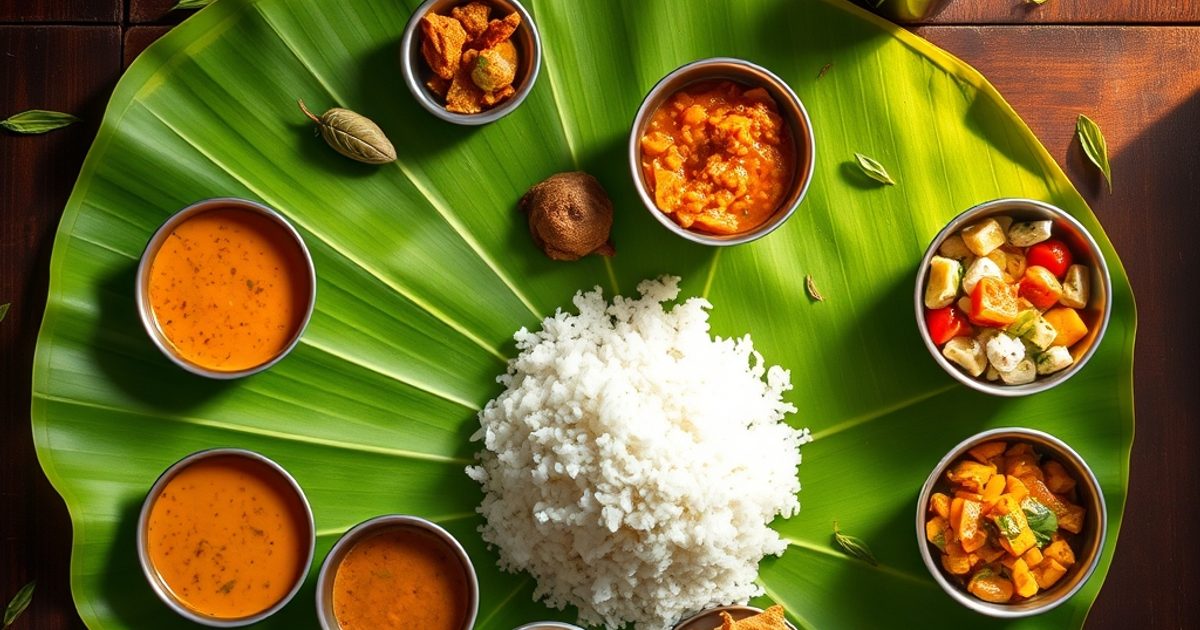
Visiting Kuala Lumpur? A South Asian Traveler's Food & Culture Guide
Kuala Lumpur has always been more than a stopover — for South Asians, it is a city that feels uncannily like home from the moment you land. The smell of curry leaves frying in ghee, the Tamil film songs drifting out of a Brickfields coffee shop, the Malayalam chatter at a mamak table at midnight — KL holds an entire subcontinent within its streets. Whether you are a local showing relatives around or a new arrival trying to find your footing, this guide is your insider map.
TL;DR
- 🍛 KL's Little India neighbourhoods — Brickfields and Masjid India — are the heartbeat of the city's South Asian food scene.
- 🇱🇰 Sri Lankan cuisine has its own dedicated restaurants here; don't miss them.
- 🕌 The cultural calendar runs hot with Thaipusam, Deepavali street fairs, and Eid bazaars — plan around them.
- 🧆 Breakfast is a serious ritual: idli, roti canai, and biryani thali all before 10 am is absolutely normal.
- 🗺️ Most Desi restaurants cluster in Brickfields, Bangsar, Masjid India, and Mont Kiara — use those as your anchor points.
🍽️ Where to Eat: South Indian Comfort Food
For South Indians, KL is essentially a second home kitchen. The classics — dosa, sambar, rasam rice, and biryani — are done with genuine care across the city.
Adyar Ananda Bhavan on Jalan Pudu Lama is the KL outpost of the legendary Chennai chain, open seven days a week from 7 am to 10 pm. It is one of the most reliable spots for a fully vegetarian South Indian breakfast or a late-evening sweet fix. Their website is a2b.world if you want to check the menu before you visit.
AP Biryani's And Thali Restaurant in Brickfields on Jalan Berhala brings Andhra and Telangana flavours into sharp focus — expect bold, oil-forward curries and thalis that genuinely reflect the cooking of those regions, open from 7 am to 10:30 pm.
Anjappar on Jalan Tun Sambanthan is a Chettinad institution; the pepper-heavy gravies and the distinctly spiced biryanis here draw a loyal Tamil crowd week after week.
Karaikudi Chettinadu Restaurant near Masjid India on Jalan Palestin keeps Chettinad tradition alive with operating hours from 7:30 am to 10:30 pm — an honest, no-frills spot for anyone craving authentically spiced South Indian food in the city centre.
Annapuurnam Chetinad Restaurant in Bangsar on Lorong Maarof is another go-to for Chettinad cooking, open from 7 am to 9:30 pm. The Bangsar location makes it easy to combine with a walk through one of KL's most vibrant neighbourhoods.
🫓 North Indian, Mughlai & Roti Specialists
North Indian food has a strong, confident presence in KL and ranges from casual lunch spots to proper sit-down dinners.
ROTI By d'Tandoor is exactly what the name promises — an entire concept built around tandoor-fired breads and the Indian love affair with roti in its many forms. Their website at dtandoor.com has the full story. For enquiries, reach them at the email on their site.
Khan's Indian Cuisine brings Mughlai-leaning cooking to the table; their website at khans.com.my and their Bangsar South email make it straightforward to plan a visit or place an enquiry.
Namaste India 1947 on Lorong Raja Chulan blends Indian, Asian, and Malaysian influences, which reflects the layered history of the subcontinent's relationship with this region. The 1947 reference is not accidental — it anchors the restaurant in a specific moment in South Asian history, which gives the dining experience an extra dimension.
Hyderabad on Jalan Putra covers the Hyderabadi end of the spectrum — think dum biryani and slow-cooked meat dishes — and is open from 10 am to nearly midnight, making it one of the more forgiving options for late-night cravings.
🇱🇰 The Sri Lankan Scene: Underrated and Worth Seeking Out
KL's Sri Lankan restaurant scene is small but punchy, and it represents one of the most distinct South Asian food traditions you will find in this city.
Yarl on Jalan Doraisamy is a name that resonates deeply with the Sri Lankan Tamil community — the restaurant is named after the harp-shaped Jaffna peninsula and brings the flavours of Northern Sri Lanka to KL. Their website is yarl.my.
Aliyaa is another dedicated Sri Lankan option with a strong following. You can reach them directly at +6012 444 1310 or visit aliyaa.com for more details.
If you have never eaten Sri Lankan food, this is your chance: the coconut-heavy curries, the string hoppers, and the sharp tamarind notes are different enough from Indian cooking to feel like a genuine discovery.
☕ Breakfast Culture and the Mamak Tradition
In KL, breakfast is not a meal — it is a social institution. The mamak stall (typically run by Tamil Muslim families) is where this city runs its morning meetings, late-night debates, and everything in between.
RP Food Corner in Brickfields on Lorong Scott is a clay-pot meals specialist open from Monday to Saturday, 6:30 am to 4 pm. A place like this one — early hours, neighbourhood location, decades of habit — is exactly the kind of Desi morning ritual that does not get written up enough.
Nasi Kandar Pelita on Jalan Telawi 5 in Bangsar is a classic for nasi kandar, the North Malaysian-Indian dish of rice served with a rotating cast of curries. Reach them at +60322825532 or check pelita.com.my.
MTR on Jalan Thambipillay in Brickfields is the KL branch of the Bengaluru legend, Mavalli Tiffin Rooms. Their masala dosa and filter coffee have earned the kind of loyalty that only decades of consistency can buy.
💡 Desi Insider Tip: Brickfields before 8 am is a completely different city. The market sellers are out, the temples are active, and the tiffin spots are packed with regulars eating rice meals for breakfast. Skip the hotel buffet for one morning and come here instead — it is one of the most genuinely South Asian hours KL has to offer.
🏛️ Culture, Community, and the Desi Calendar
KL's South Asian community does not just eat together — it celebrates hard. Thaipusam at Batu Caves draws one of the largest Hindu pilgrimages outside India, and the atmosphere in the days leading up to it — the kavadi preparations, the chariot procession, the overnight vigil — is something any Desi visitor or resident should witness at least once.
Deepavali transforms the Masjid India precinct and Brickfields into a festival of lights and shopping. Little India in Brickfields gets strung with kolam and the sari shops run sales that local aunties plan months in advance.
Gajaa at 8 is worth knowing about for more curated Indian dining with a contemporary lens — reach them at +60322017369 or gajaas.com. Frangipaani (reachable at +603 2011 0030, open Tuesday to Thursday 4 pm to 11 pm) brings a refined approach to Indian cuisine, useful for a proper dinner out with visiting family.
The Ganga Cafe in Mont Kiara is a community staple for the expat Desi crowd in that part of the city — theganga.com.my has the details.
🛒 Finding Your Community Ingredients and Stores
For those who cook at home, Masjid India and Brickfields are your weekend destinations for fresh curry leaves, tamarind blocks, whole spices, and every South Asian grocery need. The wet markets here stock produce that you simply will not find in a supermarket.
Mallar Bistro (mallarbistro@gmail.com, mallarbistro.com) and Locarasa Restaurant & Patisserie at Bamboohills (open Mon–Fri, 10 am–10 pm, reachable at +6016 369 5089) each offer their own take on the South Asian dining experience outside the usual urban corridors — useful when you want something a little off the beaten path.
For a proper sit-down meal with the family in a relaxed setting, Kumar's at Bangsar Shopping Centre (third floor, Jalan Maarof) operates on an unusual split-hour schedule — breakfast, afternoon tea, and dinner — which makes it genuinely flexible for any part of the day.
FAQ
Q: Which neighbourhood in KL is best for South Asian food? Brickfields is the first stop for South Indian and Sri Lankan food. Masjid India is strong for North Indian, Mughlai, and street food. Bangsar has a more relaxed, sit-down scene spread across multiple cuisines.
Q: Is vegetarian food easy to find? Very easy. KL's Indian restaurant culture has deep vegetarian roots — most South Indian restaurants offer fully vegetarian menus, and places like Adyar Ananda Bhavan are entirely veg-friendly.
Q: When is the best time to visit if I want to experience Desi culture at its peak? The period around Thaipusam (usually January or February) and Deepavali (October or November) are the most visually and culturally rich times. Plan around either and you will see KL's South Asian community at full volume.
Q: Are these restaurants halal-friendly? Many are — particularly the mamak stalls, nasi kandar spots, and North Indian Muslim restaurants. Always check with individual establishments if halal certification matters to you, as practices vary.
Q: Is KL an expensive city for South Asian food? Not at all. A full thali or a banana-leaf rice meal at a neighbourhood restaurant is genuinely affordable. The price range only climbs at dinner-focused or fine-dining Indian establishments.
The Bottom Line
Kuala Lumpur is one of those rare cities where being South Asian is not a niche identity — it is woven into the city's DNA, its rhythms, its food, and its festivals. Whether you are here for a week or have been here for years, there is always another corner of the Desi KL experience waiting to be found: a restaurant that gets the rasam exactly right, a temple visit that catches you off guard, a mamak table where a conversation stretches past midnight.
This city rewards those who lean into it. And the best way to do that is with a community behind you. Explore more guides, local events, and community stories right here on Desi.Net — your home base for South Asian life in Kuala Lumpur.