
Modi in Kuala Lumpur, Bangladeshi PM presses labor migration, Little Pakistan thrives in Chow Kit
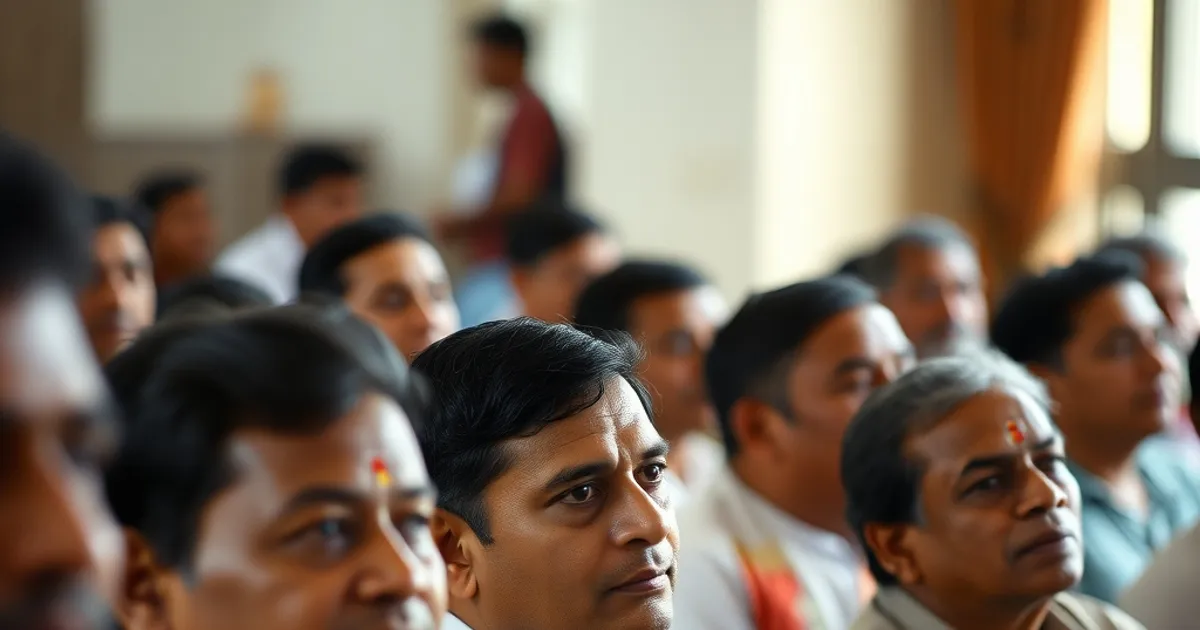
Indian Prime Minister Narendra Modi arrived in Kuala Lumpur in February to begin a two-day official visit to Malaysia, reinforcing bilateral ties between the two nations. Separately, Bangladeshi Prime Minister Tarique Rahman pressed Malaysia to ease restrictions on labor migration from Bangladesh during bilateral talks, while a feature report documented how the Chow Kit neighbourhood of Kuala Lumpur has become an established hub for the city's Pakistani immigrant community.
🗳️ Indian PM Modi arrives in Kuala Lumpur to kick off two-day Malaysia visit
Indian Prime Minister Narendra Modi arrived in Kuala Lumpur on Saturday to begin a two-day official visit to Malaysia, with the trip framed around strengthening the bonds of friendship between the two countries. Anadolu Agency reported that Modi expressed anticipation for the bilateral conversations ahead, stating that he looked forward to discussions and to further deepening the relationship between India and Malaysia. Malaysia is a significant country in the Indian foreign policy landscape for several reasons: it is home to a substantial Indian-origin population, primarily of Tamil heritage, established over generations through labour migration during the colonial period, as well as more recently arrived Indian professionals and workers. Modi's visit to Kuala Lumpur reflects India's sustained diplomatic engagement with Southeast Asian nations where Indian diaspora communities maintain deep historical and cultural roots. The visit was covered by international agencies as a bilateral diplomatic event and was expected to address matters of trade, investment, and cultural exchange. The arrival represents an active expression of India's Act East policy, which prioritises strengthening relationships with Southeast Asian nations as a pillar of Indian foreign and economic strategy. Malaysia's role as both a trading partner and a diaspora destination makes the bilateral relationship of particular importance in the Indian foreign policy framework. [2]
🗳️ Bangladeshi PM Tarique Rahman asks Malaysia to lift restrictions on labor migration
Bangladeshi Prime Minister Tarique Rahman engaged directly with Malaysian counterparts on the issue of labor migration, asking that Malaysia lift restrictions currently limiting the entry and employment of Bangladeshi workers in the country. The Diplomat's ASEAN Beat coverage of the bilateral meeting identified the labor migration issue as a central agenda item raised by Rahman, reflecting how significantly the availability of Malaysian employment opportunities matters to Bangladesh. Malaysia has been one of the most important destinations for Bangladeshi overseas workers, particularly in manufacturing, construction, and plantation sectors that depend heavily on migrant labour to sustain operations. Restrictions on Bangladeshi workers in Malaysia have periodically created tension in the bilateral relationship, with the Bangladesh government pressing for terms that give its workers equitable access to the Malaysian labour market. Rahman's direct intervention at the prime ministerial level — rather than leaving the matter to lower-level diplomatic channels — signals how prominently the labor migration issue has risen on the bilateral agenda from Bangladesh's perspective. Whether Malaysia acts on the request to ease specific restrictions depends on its own domestic labor market policies and political considerations, but the Bangladeshi prime minister's public articulation of the request during the bilateral meeting places the issue firmly in the diplomatic record between the two governments. [3]
🤝 Chow Kit's 'Little Pakistan' hub serves Kuala Lumpur's Pakistani immigrant community
A stretch of Jalan Sultan Azlan Shah in Kuala Lumpur's Chow Kit neighbourhood has developed into an informal centre for the city's Pakistani immigrant community, acquiring a reputation as Kuala Lumpur's unofficial Little Pakistan. Malay Mail reported that after seven in the evening daily, the street comes alive with the aromas of grilled meat and the sounds of diners gathering at Pakistani restaurants lining the stretch, drawing community members and visitors seeking authentic cuisine. Grocery shops in the area stock spices imported directly from Pakistan, providing residents and restaurateurs with the ingredients central to Pakistani cooking and helping sustain the culinary identity of the neighbourhood. Barbers in the area offer traditional Pakistani-style haircuts alongside the restaurant and grocery establishments, contributing to the distinctive cultural character of the community cluster. Small Pakistani-owned hotels cater to visitors and longer-term residents, while Masjid Jamek Pakistan provides a spiritual anchor for migrant workers, offering a sense of community cohesion rooted in religious life. These accumulated elements — restaurants, grocery shops, service providers, hotels, and a mosque — have created a layered community infrastructure in Chow Kit that gives Pakistani immigrants in Kuala Lumpur a meaningful sense of home and belonging in the Malaysian capital. The report by Ian Jeremiah Patrick for Malay Mail traced the evolution of the area from a quieter street into the established immigrant community hub it represents today. [4]
Sources: [2] Anadolu Ajansı · [3] The Diplomat – Asia-Pacific · [4] Yahoo