
South Asian Communities in Kuala Lumpur Navigate Rights and Identity Challenges
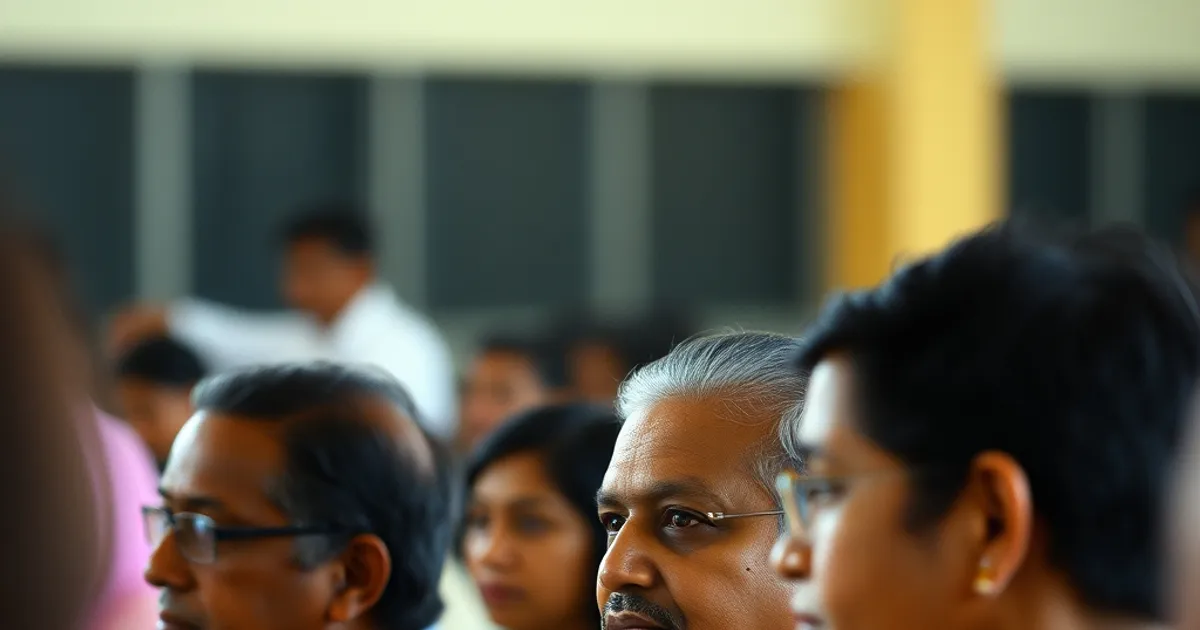
South Asian communities in Kuala Lumpur are navigating a series of intersecting challenges, from diplomatic pressure over Bangladeshi migrant worker restrictions to a consular crisis affecting an Indian national stranded at the city's international airport. A community profile of the Jalan Sultan Azlan Shah corridor, known locally as Little Pakistan, puts a human face on the broader story of South Asian migration and settlement in Malaysia.
🤝 Little Pakistan in KL: A Portrait of South Asian Immigrant Life
The Jalan Sultan Azlan Shah corridor in Kuala Lumpur has long served as the informal heart of the city's Pakistani immigrant community, earning the nickname Little Pakistan among locals and newcomers alike. A recent community profile explores how South Asian immigrants, primarily from Pakistan but also from Bangladesh and India, have built a self-sustaining enclave with halal restaurants, money transfer services, mobile phone shops, and textile stores catering to a transient and settled migrant population. The story of Little Pakistan reflects the broader trajectory of South Asian labor migration to Malaysia over the past four decades, during which hundreds of thousands of workers arrived seeking economic opportunity in construction, manufacturing, and services. Over time, some settled permanently, building families and businesses that have become woven into the fabric of the city. The neighborhood serves not only as a commercial hub but as a community lifeline, providing social support, religious infrastructure, and cultural continuity for South Asians far from home. The feature highlights both the resilience of immigrant communities and the challenges they face, including documentation issues, limited legal protections, and social marginalization in a country where their status can remain legally precarious. [4]
🗳️ Bangladesh PM Urges Malaysia to Lift Restrictions on Bangladeshi Workers
Bangladeshi Prime Minister Tarique Rahman has formally requested that Malaysia lift existing restrictions on Bangladeshi workers entering the country, underscoring the significance of Malaysia as a destination for South Asian labor migrants. Bangladesh is one of the largest sources of migrant workers for Malaysia, with hundreds of thousands of Bangladeshis employed in the construction, plantation, and domestic services sectors, including in the Kuala Lumpur metropolitan area. The restrictions, implemented in recent years due to concerns over irregular migration and labor market management, have curtailed the flow of new workers and created hardship for families dependent on remittances. Rahman's appeal came during diplomatic engagement with Malaysian counterparts, reflecting the high stakes for Bangladesh's economy, which relies heavily on overseas remittance income. For KL's Bangladeshi community, the exchange is closely watched, as it could determine whether workers currently unable to renew work permits can regularize their status. Advocacy groups representing Bangladeshi migrants in Malaysia have also called for greater transparency in the recruitment process and stronger protections against exploitation by labor brokers operating across both countries. [2]
🗳️ Indian National Stranded at KL Airport After Passport Cancellation
An Indian national has found himself stranded at Kuala Lumpur International Airport after India cancelled his passport, leaving him in legal limbo with no valid travel documents and no immediate pathway to return home or travel onward. The case has drawn attention to the consular and legal vulnerabilities faced by Indian nationals abroad when their travel documents are revoked under disputed circumstances. The Indian High Commission in Kuala Lumpur has been called upon to intervene and provide emergency consular assistance, but the process for issuing emergency travel documents can be lengthy and procedurally complex. The stranded individual's situation highlights the precarious position that Indian migrants and travelers in Malaysia can face, particularly those caught in administrative disputes over documentation. Legal advocates and the Indian expatriate community in KL have rallied to draw attention to the case, calling for expedited consular support and clearer guidelines on passport revocation procedures. The incident raises broader questions about the adequacy of consular infrastructure available to the substantial Indian diaspora across Southeast Asia and the protections afforded to Indian nationals who find themselves in transit emergencies abroad. [3]
Sources: [4] Yahoo · [2] The Diplomat – Asia-Pacific · [3] Diya TV