
Best Indian Temples & Mandirs in London (2026)
Best Indian Temples & Mandirs in London (2026)
For hundreds of thousands of South Asians who call London home, a mandir is far more than a place of worship — it's where community gathers, festivals come alive, and a thread of belonging stretches all the way back to the subcontinent. Whether you've just moved to the city or you're searching for a new spiritual home after years here, London's temple landscape is richer and more diverse than most people realise.
TL;DR
- 🕌 London has mandirs representing nearly every Hindu tradition — from Swaminarayan to Shaivite Tamil temples — spread across the city.
- 🗓️ Check individual websites and social pages before visiting; hours and seva schedules change around major festivals.
- 🌍 The BAPS Shri Swaminarayan Mandir in Neasden (NW10) is one of the most architecturally significant Hindu temples outside India.
- 🙏 Smaller neighbourhood mandirs often have the warmest community feel and are worth seeking out in your own borough.
- 📍 From East Ham to Greenwich, South-East to North London, there's almost certainly a mandir within a short journey of where you live.
Why London's Mandir Scene Is Unlike Anywhere Else
London didn't just inherit one strand of Hindu or South Asian spiritual practice — it inherited almost all of them simultaneously. Gujarati families arrived in the 1960s and 70s and built Swaminarayan mandirs. Tamil communities fleeing civil conflict brought their Murugan and Amman traditions. Bengali associations established Durga Puja celebrations that now draw thousands. The result is a city where, on any given weekend, you can witness a traditional abhishek, attend a bhajan evening, or join a kirtan session, often within a few miles of each other.
For locals, that diversity means options. It also means it can be hard to know where to start.
The Landmark You Should Visit At Least Once
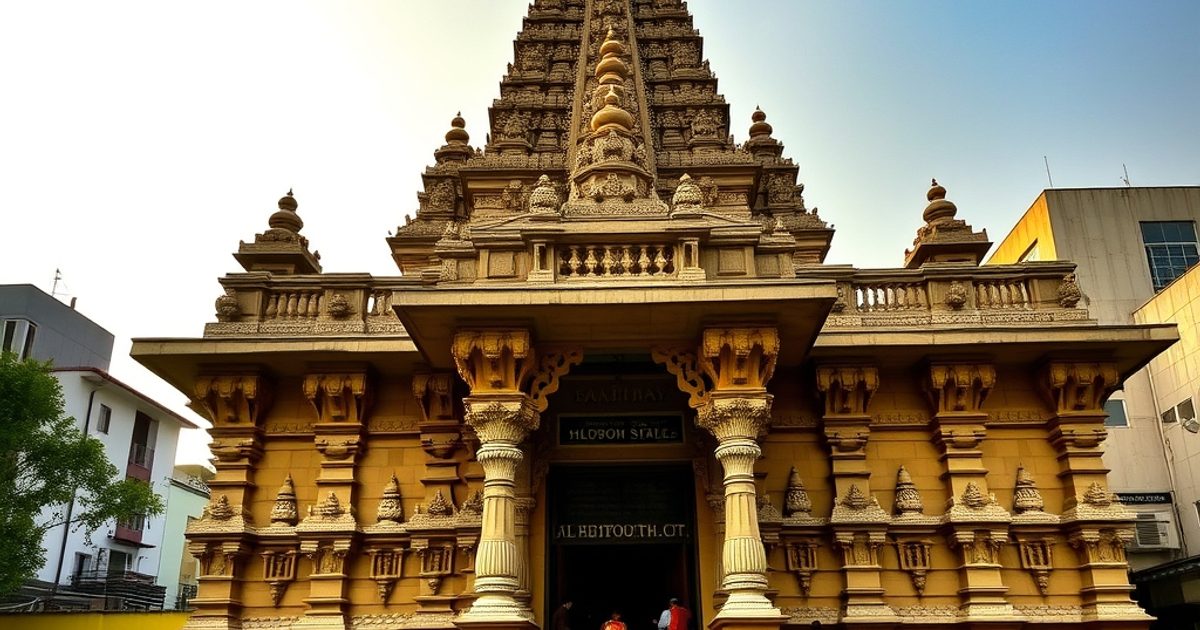
If you've somehow not yet been to the Bochasanwasi Shri Akshar Purushottam Swaminarayan Sanstha mandir — also widely known as BAPS Shri Swaminarayan Mandir London — at 1 Pramukh Swami Road, NW10, put it on your calendar now. Carved entirely from Turkish limestone and Italian marble by craftspeople trained in traditional techniques, it is genuinely jaw-dropping, and visiting is a meaningful experience regardless of your personal tradition. The Neasden postcode has become synonymous with British Hindu life, and the surrounding area has its own little ecosystem of Indian shops and eateries worth exploring.
Temples Rooted in Tamil & Murugan Traditions
London's Tamil Hindu community has built some of the city's most atmospherically rich spaces. The London Sri Murugan Temple at 78 Church Road is one of the most established — you can reach them directly on +44 20 8478 8433, and their website at londonsrimurugan.org carries up-to-date information on puja timings and festival programmes. Devoted to Lord Murugan (also known as Karthikeya or Skanda), the temple draws Tamil families from across East and North-East London and beyond.
In South-East London, the Sri Vel Murugan Aalayam Trust at 4a Eastdown Park, SE13 serves the Lewisham area community — a quieter, more neighbourhood-rooted space that has been a spiritual anchor for local Tamil families. Similarly, the Greenwich Hindu Temple (Mandir) at 63-67 Bannockburn Road, SE18 provides a valuable presence for Hindus living south and south-east of the river.
Neighbourhood Mandirs Worth Knowing
Not every meaningful temple is a grand architectural statement. Some of the most beloved spaces in London are relatively modest buildings that punch well above their weight in community spirit.
The Hindu Pragati Sangha Mandir at 33 Rhondda Grove has been a consistent presence for East Londoners. Their website at hindupragatisangha.net is the best place to find current programme details. For those in South-West London, the Hindu Society at 664 Garratt Lane, SW17 offers a local gathering point in Tooting — an area already steeped in South Asian culture.
North of the river, the Hanuman Community Centre Trust at 201 West Hendon Broadway, NW9 and the Shree Swaminarayan Din Dayal Seva Trust at 82 Geary Road, NW10 both reflect the dense concentration of Hindu community institutions in the Brent and Harrow corridor. Meanwhile, the South East Hindu Association at 2 Anglesea Mews, SE18 quietly serves worshippers who might otherwise have a long journey to reach a larger mandir.
For those in North London, the Hindu Tamil Cultural Association at 61-65 Church Lane, N9 in Enfield bridges both cultural and devotional needs for Tamil-speaking Hindu families in that corner of the city.
Festival Celebrations to Mark in Your Diary
Many of London's mandirs transform completely during major festivals. Navratri garba events, Diwali melas, Thai Pongal celebrations at Tamil temples, and Janmashtami programmes at the ISKCON Radha Krishna Temple at 10 Soho Street, W1D are all genuinely communal affairs — the kind that remind you why city life, for all its chaos, can still feel like belonging.
The London Durga Puja Dusserah Association at 43a Eton Avenue, NW3 is worth following if Durga Puja is meaningful to you — particularly if you come from a Bengali background. Their celebrations are among the more culturally immersive in the city. Across London, individual associations handle bookings differently, so connecting with them directly ahead of festival season is always the smart move.
💡 Desi Insider Tip: Don't just visit the famous temples — attend an evening aarti at a smaller neighbourhood mandir where you're likely to be invited for chai and prasad afterward. That's where the real community happens, and it's often where you'll find a sense of home faster than any grand landmark can offer.
Practical Tips Before You Go
A few things that apply across almost every London mandir:
Remove your shoes before entering the prayer hall — there will always be a dedicated area near the entrance. Dress modestly; covering your head is appreciated in many temples, especially for women. Carry a small amount of cash if you'd like to make a donation or purchase flowers and offerings on-site. Avoid leather items if possible. And if you're visiting during a puja or ceremony already in progress, observe quietly until there's a natural pause.
The Ramgarhia Sikh Gurdwara at 10-16 Neville Road holds regular evening sessions on Tuesdays and Thursdays from 7pm to 8pm — a good example of the kind of reliable weekly schedule that helps you actually build a routine. Check gurdwara.london for details. While technically a Gurdwara rather than a mandir, it's worth noting for Desi readers who appreciate the full landscape of South Asian spiritual spaces in London.
For any Hindu temple, checking the official website or calling ahead remains the single most reliable way to confirm timings, especially around Ekadashi, full moon days, and major festivals when schedules change significantly.
FAQ
Q: Which London temple is best for a first-time visitor who isn't particularly religious? A: The BAPS Shri Swaminarayan Mandir in Neasden is welcoming to all visitors, has multilingual information available, and the architecture alone makes it worth the trip. It's also very well set up to receive people who are new to Hindu temples.
Q: Are these temples open to people of all backgrounds, not just Hindus? A: Broadly yes — most Hindu temples warmly welcome respectful visitors of any faith or none. Following basic etiquette around dress and shoes is the main requirement.
Q: How do I find out about festivals and special puja events? A: Most temples now use WhatsApp community groups, Facebook pages, or their own websites to announce events. Following them on social media or joining their newsletter is the quickest way to stay informed.
Q: I'm new to London — how do I find the mandir closest to me? A: Start with the borough you live in and search for Hindu temples or mandirs in that area. The list above covers spaces from NW10 to SE18 to N9 and beyond. Many communities are also listed through Hindu Council UK resources.
Q: Can I take photographs inside? A: Policies vary. Some temples permit discreet photography in non-prayer areas; others prefer no cameras at all. Always ask before taking out your phone.
The Bottom Line
London's mandir and temple community is one of the most quietly extraordinary things about this city — a living map of the South Asian diaspora, its histories, traditions, and faiths all finding expression in brick and marble and incense and song. Whether you're searching for somewhere to observe Navratri properly, longing for the comfort of a familiar deity's darshan, or simply curious about the spiritual fabric of your new city, there is a space here for you.
Explore more of London's South Asian community life, local listings, events, and cultural guides right here on Desi.Net — your home away from home.