
Janmashtami 2026 in Lucknow: Events, Puja & Where to Celebrate
Janmashtami 2026 in Lucknow: Events, Puja & Where to Celebrate
For Lucknow, Janmashtami is not simply a date on the calendar — it is one of those nights when the city collectively holds its breath until midnight, then exhales in joy. Temples fill with the scent of tulsi and maakhan, mohallas echo with bhajans, and even people who do not otherwise observe much religion find themselves drawn into the celebration. Whether you are planning a home puja, hoping to join a community gathering, or just want to understand what makes this festival so alive here, this guide has you for.
TL;DR
- 🗓️ Krishna Janmashtami 2026 falls on Friday, 4 September 2026 in Lucknow.
- 🕛 The main puja and abhishek happen at midnight — plan your evening accordingly.
- 🌸 Raksha Bandhan falls on 28 August 2026, just a week before, so the festive mood builds early.
- 🎉 Dahi Handi celebrations typically take place on the day after Janmashtami — keep 5 September free.
- 🙏 Fasting, jhula decoration, and midnight aarti are the heart of home and temple observances.
When Is Janmashtami 2026 and Why the Date Matters
Krishna Janmashtami 2026 lands on Friday, 4 September. The festival follows the Hindu lunar calendar and is observed on the Ashtami tithi (eighth day) of the Krishna Paksha in the month of Bhadrapada. Because the tithi can shift overnight, the exact timing of Nishita Puja — the midnight ceremony marking Krishna's birth — matters a great deal to devout observers. In 2026, plan your evening so that you are at your place of worship or have your home puja setup ready well before midnight.
It also helps to think of early September as the peak of the festive season buildup. Raksha Bandhan falls on 28 August, Ganesh Chaturthi follows on 14 September, so Janmashtami sits at the heart of a gorgeous stretch of celebrations. The city's sweet shops, flower markets, and fabric stores all reflect this rhythm — by late August you will notice the energy shifting gear.
The Spiritual Calendar Leading Up to Janmashtami
If you like to observe the full rhythm of the Hindu calendar, the weeks before Janmashtami are themselves meaningful. Here is a quick look at what falls nearby in Lucknow:
Early-to-mid August: Nag Panchami on 17 August is a quieter, deeply traditional observance when many households offer milk at snake shrines and draw nag motifs at the doorstep. Ekadashi on 9 August is a significant fasting day — a good chance to prepare the spirit before the bigger festival ahead.
Late August: Raksha Bandhan on 28 August (which also coincides with Purnima) sets a warm, family-first tone. Many families use this long-weekend feeling to plan their Janmashtami décor shopping and puja samagri runs.
1–4 September: Sankashti Chaturthi on 1 September offers a gentle Ganesh puja moment just three days before Janmashtami. By the time the 4th arrives, you have had a full fortnight of spiritual practice to arrive at the celebration in the right headspace.
How Lucknow Celebrates: Traditions to Know
Lucknow brings its signature blend of tehzeeb and devotion to Janmashtami. A few traditions you will see everywhere:
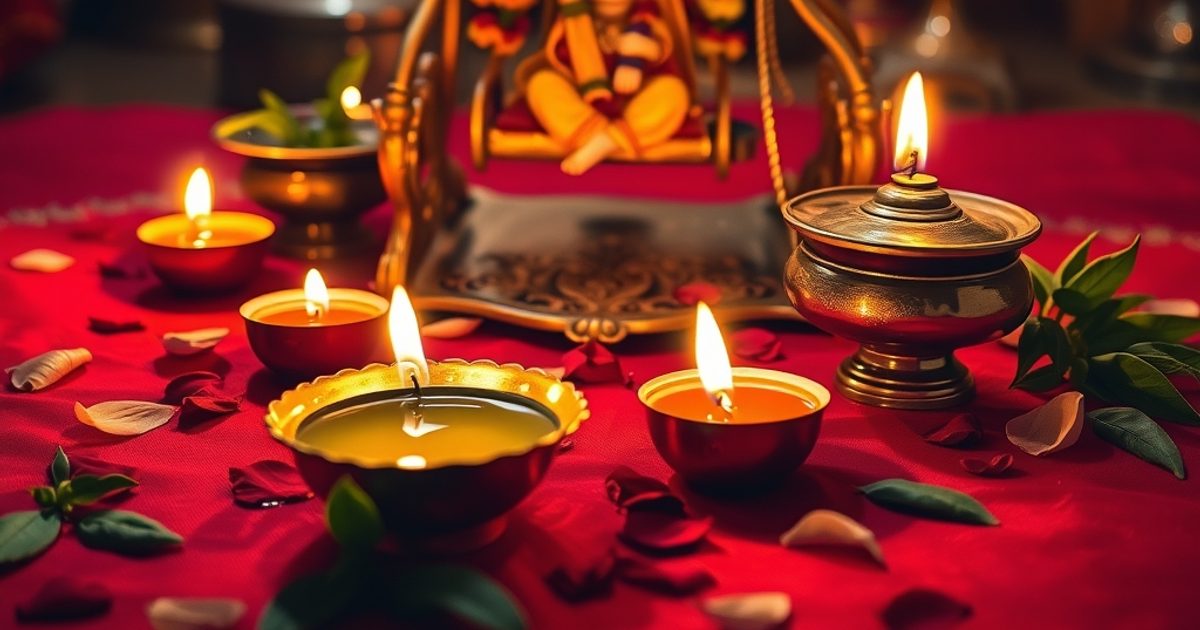
Jhula decoration: A small ornate swing is set up in homes and temples, and an idol or image of baby Krishna is placed on it. Devotees take turns gently swinging the jhula and singing cradle songs (lori) throughout the evening.
Fasting: Many people observe a full nirjala (waterless) or phalahari (fruit-only) fast through the day, breaking it only after the midnight puja and the symbolic birth of Krishna.
Abhishek: At midnight, the Krishna idol is given a ceremonial bath with panchamrit — a mixture of milk, curd, honey, ghee, and sugar. Temples often perform this with great fanfare, and attending one is genuinely moving.
Bhajan sandhyas: Community sittings for devotional singing begin in the evening and build toward midnight. Neighbourhoods often set up their own pandals for these gatherings.
Dahi Handi: On the following day — 5 September 2026 — teams of young men form human pyramids to break a pot of curd hung high above the street. This re-enactment of Krishna's childhood mischief is loud, athletic, and a great spectator event.
Setting Up Your Home Puja: A Practical Checklist
You do not need an elaborate setup to observe Janmashtami meaningfully at home. Here is what to gather beforehand:
- Idol or image of Bal Krishna — a small brass murti works beautifully
- Jhula (swing) — even a simple decorative one placed on a clean cloth
- Puja samagri: incense, diyas, camphor, tulsi leaves, flowers (especially yellow marigold and white jasmine)
- Panchamrit ingredients: full-fat milk, fresh curd, pure ghee, raw honey, sugar
- Chappan bhog or symbolic prasad: sweets like peda, mathura peda, or homemade makkhan-mishri; fruits; dry fruits
- New clothes for the idol — tiny outfits in yellow or blue are traditional
Decorate the puja space with small footprints made of rice flour paste leading from the door to the idol — symbolising baby Krishna's arrival into your home. It is a detail children especially love.
💡 Desi Insider Tip: In Lucknow, the hours between 11 p.m. and 1 a.m. on Janmashtami night are electric. If you have never attended a large temple's midnight abhishek, make it a point this year — the moment the clock strikes twelve and conches blow, even seasoned devotees get goosebumps. Dress comfortably, arrive at least 45 minutes early to get a good spot, and carry a light shawl because the nights in early September can turn surprisingly cool once midnight passes.
Food, Sweets & Prasad to Savour
Janmashtami prasad and fasting food are some of the most delicious things you will eat all year. The festival's food is centred on Krishna's legendary love of dairy — so expect cream, butter, curd, and milk to be central.
Panchamrit from the abhishek is distributed as prasad at temples and is considered especially auspicious to receive.
Charnamrit — a lighter, thinner variation — is often offered throughout the day.
Fasting foods popular in Lucknow homes include sabudana khichdi, singhare ki puri, makhana kheer, and kuttu ka dosa. These are genuinely delicious, not just austere.
Sweets: Mathura peda and makkhan-mishri are the classic offerings. Many families also prepare gopalkala — a refreshing mixture of flattened rice, curd, cucumber, and coconut that is left overnight and eaten after the fast is broken.
Local sweet shops in Lucknow's older markets typically stock special Janmashtami hampers from late August onward. It is worth grabbing puja sweets and prasad boxes early because they sell out quickly in the final two days.
Nearby Festivals: Make the Most of the Season
With Ganesh Chaturthi arriving on 14 September — just ten days after Janmashtami — and the festive calendar continuing to build toward Navratri and Diwali after that, this is genuinely the best time of year to be in Lucknow. A few practical notes:
- Fabric and clothing markets see their biggest pre-festive rush between 25 August and 5 September. Shop early if you want new clothes for Janmashtami.
- Flower vendors near temples significantly increase stock in the week before the festival — morning visits give you the best choice.
- Traffic: Expect congestion around temple areas on the night of 4 September. Walking to nearby temples or using two-wheelers is often the most practical choice.
- Noise levels: Bhajan sandhyas and Dahi Handi celebrations are joyful but loud. Plan any events for young children or elderly family members with this in mind.
FAQ
When exactly is Krishna Janmashtami 2026 in Lucknow? Janmashtami 2026 falls on Friday, 4 September 2026. The main puja and midnight abhishek take place in the late-night hours of 4 September into the early hours of 5 September.
What time does the midnight puja happen? The Nishita Puja — the most sacred moment — occurs at or around midnight. The exact muhurat can vary slightly each year; check with your local temple or a reliable Hindu panchang closer to the date for the precise timing.
Can I attend Janmashtami celebrations at a temple even if I am not deeply religious? Absolutely. Janmashtami celebrations at Hindu temples in Lucknow are welcoming community occasions. Dress modestly, remove footwear before entering, and follow the general flow of the gathering — you will find it a beautiful experience.
What is Dahi Handi and when does it happen? Dahi Handi commemorates Krishna's playful theft of butter and curd. Teams form human pyramids to break a pot of curd hung at height. In 2026, this will be observed on 5 September, the day following Janmashtami.
How do I observe the Janmashtami fast correctly? Most devotees fast from sunrise on 4 September and break the fast after the midnight puja and abhishek. Some observe a strict nirjala (no water) fast; others take fruit, milk, and specific fasting foods throughout the day. Consult a pandit or follow your family tradition for the approach that feels right.
The Bottom Line
Janmashtami 2026 on 4 September promises to be one of the most meaningful nights in Lucknow's festive year. Whether you are planning a quiet home puja with your family, heading out to experience a temple's midnight celebrations, or joining the neighbourhoods for Dahi Handi the next morning, the city offers something for every level of observance. Start your preparations in the last week of August, lean into the beautiful build-up of Raksha Bandhan and Nag Panchami that precede it, and let yourself be carried by the season.
For more events, local guides, and community happenings throughout the year, keep exploring Desi.Net — your home for everything Lucknow.