
Onam 2026 in Mombasa: Events, Puja & Where to Celebrate
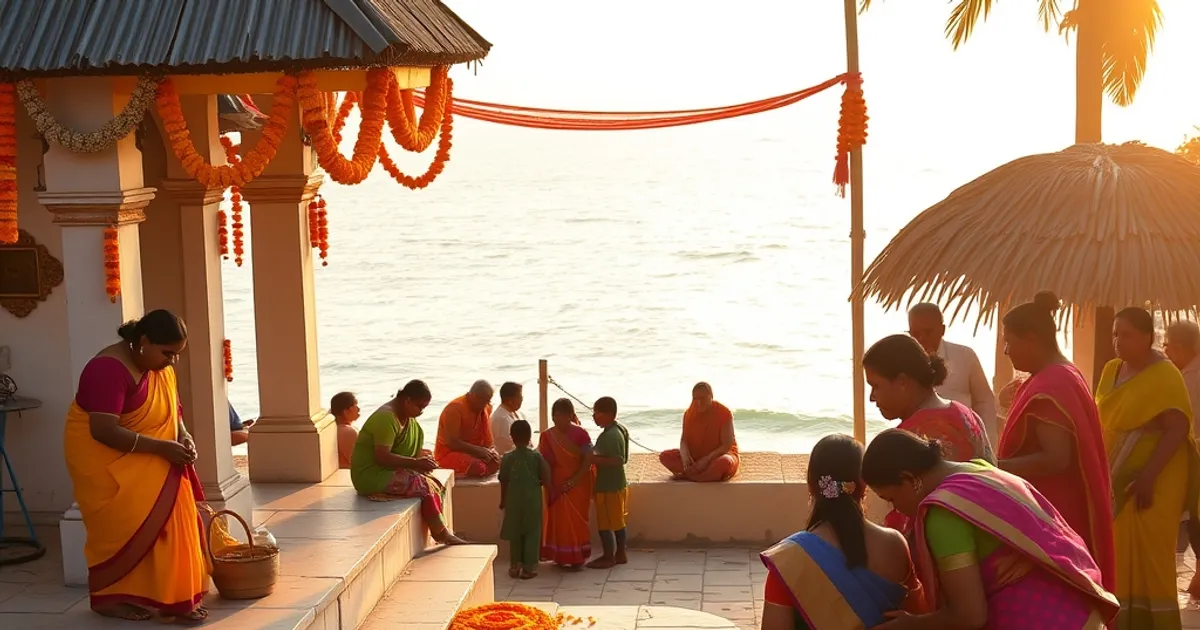
Onam 2026 in Mombasa: Events, Puja & Where to Celebrate
TL;DR
- Onam 2026 brings one of South Asia's most joyful harvest festivals to Kenya's Indian community, arriving in the middle of a packed temple calendar
- Shree Cutch Satsang Swaminarayan Temple and Shri Cutch Satsang Swaminarayan anchor Hindu community life along the Kenyan coast
- Key observances this season: Guru Purnima (Jul 29), Nag Panchami (Aug 17), Raksha Bandhan (Aug 28), Krishna Janmashtami (Sep 4), and Ganesh Chaturthi (Sep 14)
- Mombasa's Indian community carries a distinctly Kutchi-Gujarati character, shaped by centuries of Indian Ocean trade
- Confirm event timings directly with your temple -- WhatsApp broadcast lists are the fastest channel for programme updates
Onam on the Kenyan Coast
Mombasa is Kenya's second-largest city and its principal port, facing the Indian Ocean with a gaze that has drawn traders and settlers for more than a thousand years. Among those settlers were Gujarati and Kutchi merchants, whose descendants form the backbone of today's Indian community in Mombasa. They arrived as cloth traders, money changers, and craftsmen -- and they stayed, building temples, schools, and cultural institutions that endure to this day.
Onam is a festival rooted in Kerala tradition. It marks the homecoming of Mahabali, the beloved mythical king of Kerala, and is celebrated with grand sadhya feasts spread across banana leaves, elaborate pookalam flower designs, and communal games that evoke the memory of a golden age. In cities with large Malayali populations, Onam commands the full energy of the community. In Mombasa, where the Indian community's identity is shaped more by Gujarat and Kutch, Onam has historically been a quieter occasion -- yet in recent years, as South Asian communities across East Africa have grown more culturally interconnected, the festival has carved out a meaningful space on the annual calendar.
Community halls, cultural organizations, and sometimes temple premises host sadhya evenings during the ten-day Onam season. Families recreate the banana-leaf spread at home, and pookalam competitions have become a fixture in community social events. The warmth and color of the festival translate across regional lines, making Onam a natural gathering point for the broader Indian community in Mombasa.
Temple Life: Where the Community Gathers
The two principal institutions of Hindu community life in Mombasa are Shree Cutch Satsang Swaminarayan Temple and Shri Cutch Satsang Swaminarayan. Both names carry the word "Cutch" -- the anglicized spelling of Kutch, the coastal district of Gujarat from which a significant portion of Mombasa's Indian families trace their ancestry. These temples are not simply spaces for individual prayer; they function as the social and cultural infrastructure of the community, hosting satsang sessions, religious discourses, youth programmes, and seasonal celebrations throughout the year.
During festival seasons like Onam, Nag Panchami, and Janmashtami, both temples typically organize special aarti sessions, bhajan evenings, and community meals. Programming varies year to year and is communicated through internal channels rather than public advertisements -- making it essential to connect directly with the temple if you want to participate in organized celebrations.
Insider Tip: Both Swaminarayan temples maintain active internal communication networks for announcing their events. If you are new to Mombasa or newly connected to the community, attending a regular Sunday satsang is the quickest way to get added to the official mailing list or WhatsApp broadcast group -- from there, festival invitations arrive directly on your phone well ahead of event dates.
The Full Festival Calendar: July Through September 2026
The stretch from late July through mid-September 2026 is one of the most observance-rich periods of the Hindu year. Here is what the calendar looks like for Mombasa's Indian community.
Guru Purnima on July 29 opens the season. This full moon day is set aside to honor the guru -- the teacher who guides the spiritual path. Satsang communities often mark it with special discourses, and devotees may observe a fast or offer prayers for their teachers, both living and departed.
Sankashti Chaturthi on August 2 is a monthly occasion for Ganesha devotees -- a vrat observed on the fourth day after the full moon. Families observing Sankashti typically fast through the day and break the fast after moonrise. It is one of the more personally observed festivals, domestic and quiet in character.
Nag Panchami on August 17 brings one of the more ancient observances of the Hindu calendar -- prayers offered to the serpent deities, traditionally associated with fertility, rain, and protection from harm. Milk, flowers, and sandalwood paste are common offerings, and in many households the puja is performed at a nag image at the local temple or home shrine.
Raksha Bandhan arrives on August 28, coinciding with Purnima -- the full moon -- which lends the day additional auspiciousness. Sisters tie rakhi threads on brothers' wrists to mark the bond of protection and affection between siblings. Community halls often host cultural programmes around this date, with mehendi artists, sweet distributions, and musical evenings drawing families together.
Krishna Janmashtami on September 4 is the most energetically celebrated event of the season. The midnight birth of Lord Krishna brings fasting, devotional singing, and elaborate decorations to Hindu households and temples. For Mombasa's Gujarati and Kutchi families, Janmashtami carries particular resonance -- ras garba and devotional songs specific to the Swaminarayan tradition are a natural part of the celebration at Shree Cutch Satsang Swaminarayan Temple and Shri Cutch Satsang Swaminarayan. Expect the most elaborate temple programming of the season to cluster around this date.
Ganesh Chaturthi on September 14 closes out the season's main arc. The birth of Lord Ganesha is celebrated with murti installations, elaborate aarti sessions, and in some communities multi-day observances. Ganesh Chaturthi has gained significant popularity well beyond Maharashtra in recent decades, and Mombasa's Indian community joins celebrations with murti installations and aarti sessions at both homes and temples.
Making the Most of Onam in Mombasa
For families looking to observe Onam specifically, the best starting points are community cultural organizations and temple halls. A traditional Onam sadhya -- the banana-leaf feast with rice, sambar, avial, payasam, and a dozen other preparations -- is the centerpiece of the celebration. Some community groups organize collective sadhya dinners; others recreate the feast at home. The communal spirit of the sadhya, with all dishes served simultaneously on the leaf, is hard to replicate in any other format.
Pookalam are another defining tradition of Onam. Children and families lay out intricate patterns using fresh flower petals, and many community venues hold competitions or display arrangements during Onam week. The ten-day period of Onam -- running from Atham through Thiruvonam -- gives families multiple occasions to mark the festival rather than compressing it into a single date. Even those who do not observe every day often gather on Thiruvonam for the main feast.
FAQ
When is Onam 2026? Onam 2026 falls in the Malayalam month of Chingam. The main celebration day, Thiruvonam, is in late August or early September -- confirm the precise date as 2026 temple calendars are finalized.
Are the Swaminarayan temples in Mombasa open to all Hindu visitors? Both Shree Cutch Satsang Swaminarayan Temple and Shri Cutch Satsang Swaminarayan welcome devout visitors of all Hindu backgrounds, though modest dress and respectful conduct are expected.
When is Guru Purnima 2026 in Mombasa? Guru Purnima 2026 falls on July 29.
When is Krishna Janmashtami 2026? Krishna Janmashtami 2026 falls on September 4.
Is Nag Panchami observed in Mombasa? Nag Panchami 2026 falls on August 17 and is observed by many Hindu families in Mombasa with prayers and offerings at home shrines and temples.
When is Raksha Bandhan 2026? Raksha Bandhan 2026 is on August 28, which also coincides with Purnima.
When is Ganesh Chaturthi 2026? Ganesh Chaturthi 2026 falls on September 14.
Bottom Line
For Mombasa's Indian community, the July-to-September window is one of the most spiritually and socially rich periods of the year. From Onam sadhyas to Janmashtami midnight celebrations, from Raksha Bandhan rakhi exchanges to Ganesh Chaturthi mandap decorations, the season offers something meaningful in every week. The community's two Swaminarayan institutions -- Shree Cutch Satsang Swaminarayan Temple and Shri Cutch Satsang Swaminarayan -- remain the anchors around which this spiritual and cultural life is organized on the Kenyan coast. Connect early, show up for satsang, and let the season carry you forward.